There is a particular kind of fatigue that comes from being sold something you are trying not to want. For a twenty-two-year-old Ontario man recovering from a gambling problem, the advertisements are not background noise. They are a persistent, unwelcome voice. "Imagine you're an alcoholic and there was a beer ad during every show you watched," he told CBC News. He lost fourteen thousand dollars in a single night before seeking treatment. The ads, he said, would trigger him to go back and place another bet .
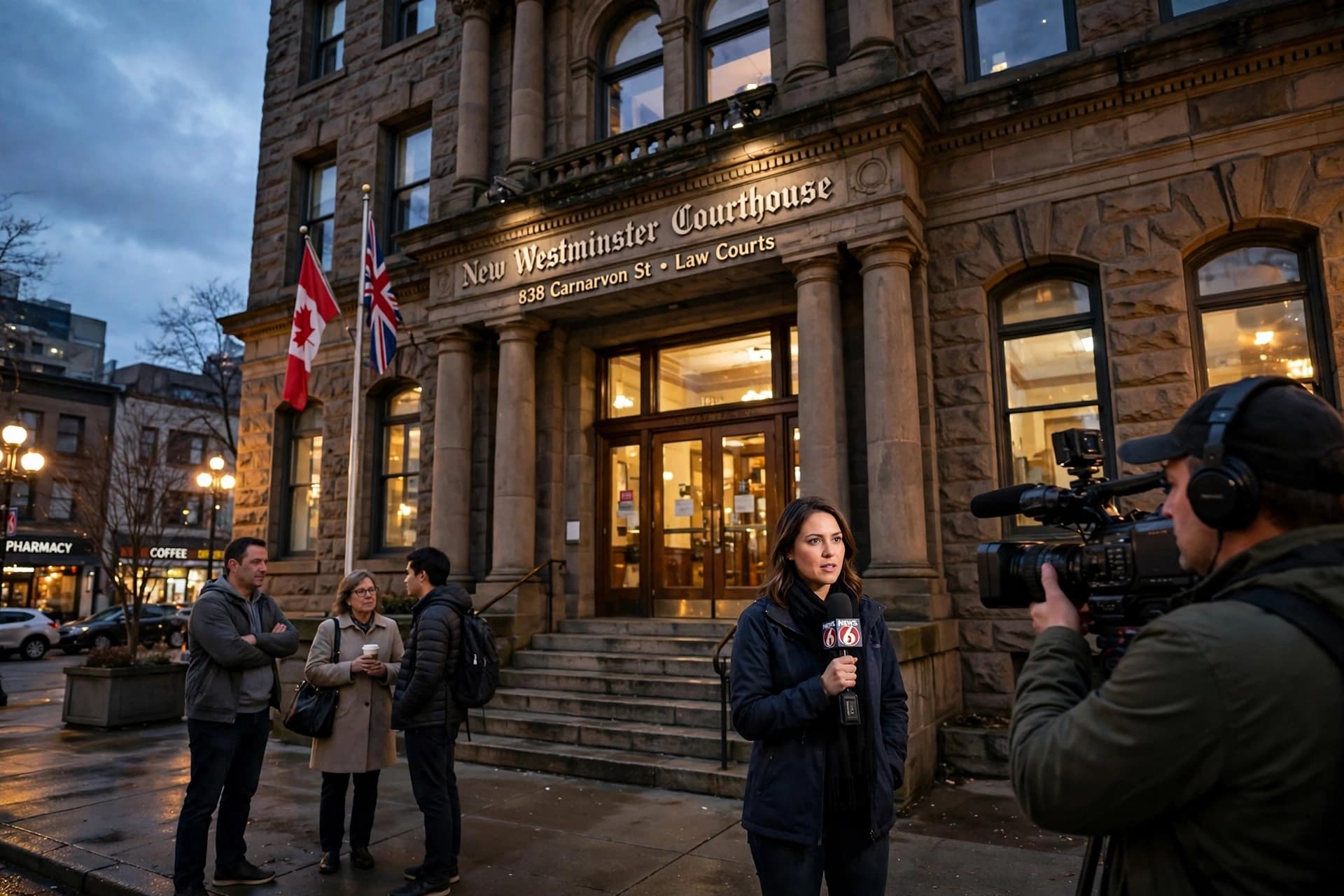
This is the human texture beneath a legislative effort that is now moving through Parliament. The federal standing committee on Canadian heritage is set to vote next week on Bill S-211, a law that would establish a national framework for restricting sports betting advertising. The bill has already passed the Senate, where it was spearheaded by Senator Marty Deacon, and its sponsor in the House of Commons is Bardish Chagger, the MP for Waterloo . If approved at committee, it would proceed to a third and final reading.
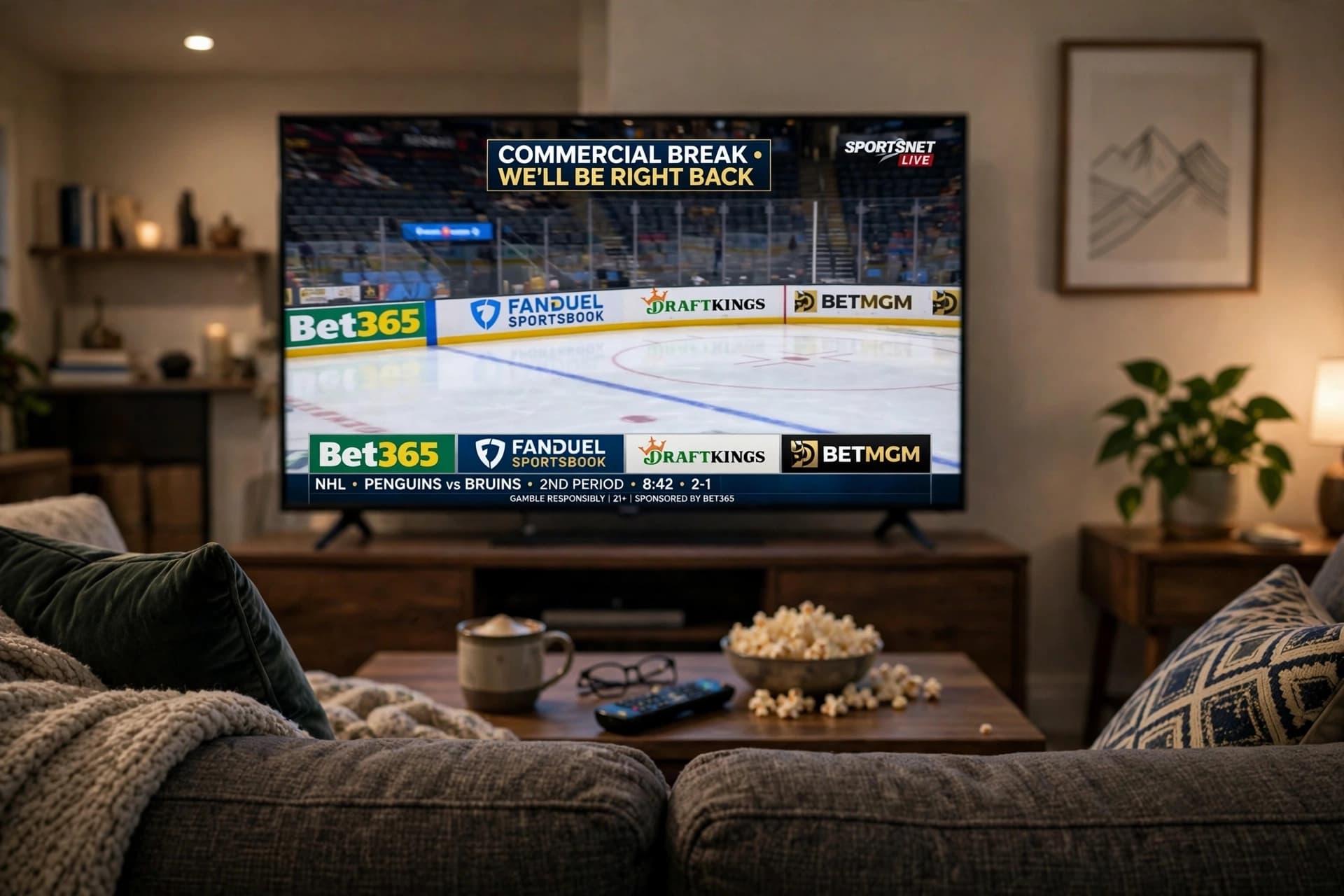
The case for the bill is built on numbers that are difficult to dismiss. A new analysis conducted by CBC in partnership with the University of Bristol examined seven televised NHL playoff games featuring Canadian teams. Across those games, viewers were exposed to three thousand gambling messages. Ninety-five percent of those instances contained no information about harm reduction or age restrictions. Raffaello Rossi, the lead researcher, said his team found ads or logos appearing two to three times every minute, on rinks, jerseys, helmets, and during commercial breaks . The findings echo a similar study from 2024, suggesting that little has changed in the intervening years.
Chagger's language is measured but direct. She speaks of people losing their livelihoods, their homes, their savings, and their lives. She connects the advertising to the rise in addiction and gambling-related suicides observed in Ontario after the province allowed private online casinos and sports betting in 2022 . Senator Deacon, in an email to CBC, was more pointed: "These ads are ubiquitous across the country, especially in national broadcasts that are sponsored by betting companies, with logos plastered across broadcast desks, arenas and fields; this encourages Canadians in every province to gamble, even in those provinces who have held back. We know where this is going, but we're allowing it to happen anyway" .
The opposition is not uniform, but it is significant. Ontario and Alberta have expressed reservations about the federal bill, reflecting a tension between national standards and provincial jurisdiction over gambling regulation. The current Canadian code is supposed to restrict advertising targeting minors, at-risk people, and gamblers who have asked to be excluded from betting sites. But critics argue the code does not go far enough, and that Canada lags behind countries like Belgium, Italy, and Spain, which have imposed near-total bans on sports sponsorship .
There is also the matter of prediction markets, a newer frontier in gambling advertising that researchers say is appearing alongside traditional sports betting promotions. The bill's proponents argue that a national framework is necessary precisely because the industry is evolving faster than the patchwork of provincial regulations can keep up with. The harms, they say, do not respect borders, and neither should the response.
The committee vote will determine whether Bill S-211 advances or stalls. For the twenty-two-year-old who spoke to CBC, the outcome matters in a way that is difficult to convey in a legislative summary. He is trying to build a life without gambling, and every advertisement he sees is a small test of that resolve. The bill will not eliminate those advertisements entirely. But it may, if it passes, make the voice that sells them a little quieter.
---
Image Disclaimer: All visuals accompanying this article are AI-generated for illustrative purposes and are not photographs of the individuals or events described.
Sources: CBC News, House of Commons Petition 451-01267, Asian Tribune
Published by Banx Network. This article is part of the Banx decentralized media programme, powered by the BXE token on the XRP Ledger.