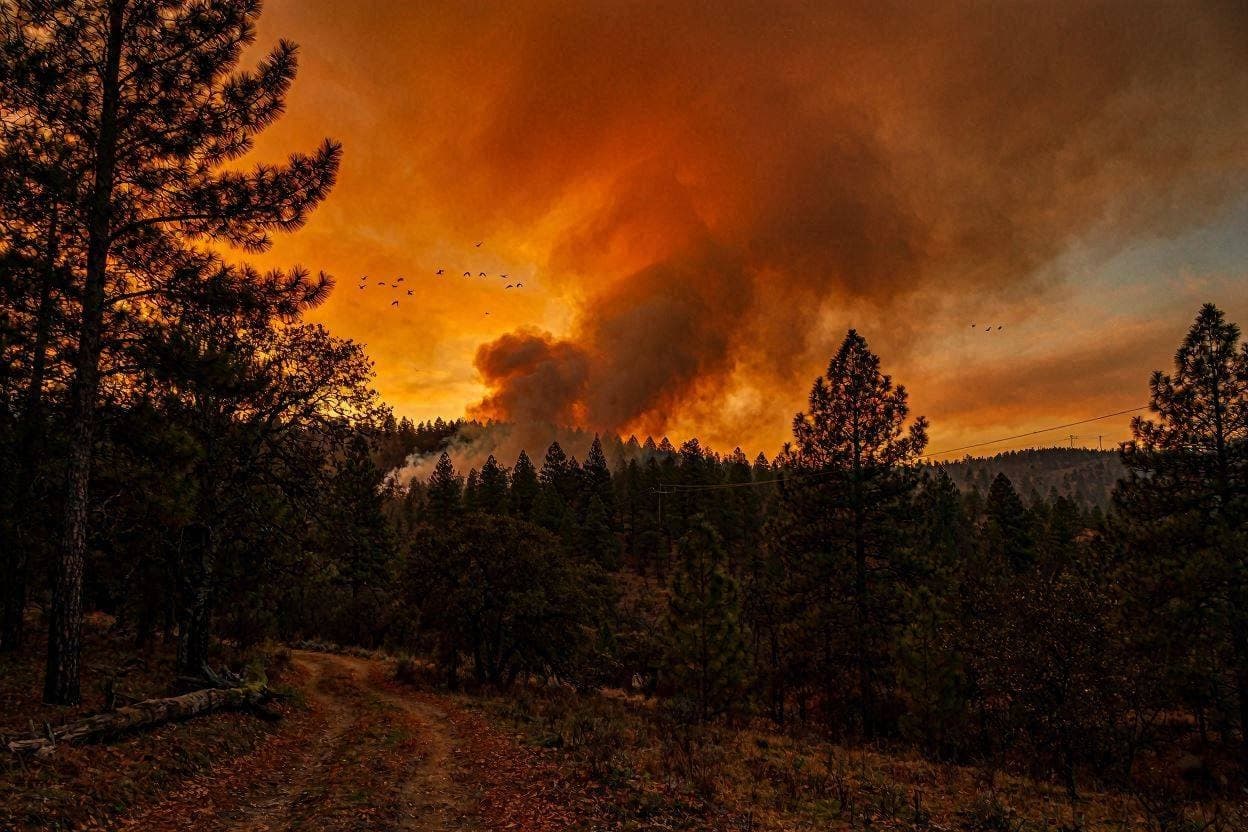
The vast forests of Canada have long been a symbol of natural grandeur, offering solace and resources to those who live within their shadow. Yet, this summer, the green canopy has been replaced by an ominous haze, as relentless wildfires sweep across the landscape. The nation finds itself in a prolonged struggle against flames that not only threaten homes but also degrade air quality across borders. It is a moment that invites reflection on the changing climate and the resilience required to face environmental challenges that respect no political boundaries.
Body: As hundreds of active fires burn through provinces from British Columbia to Quebec, thousands of residents have been forced to evacuate their communities. These evacuations are not merely logistical exercises but emotional upheavals, disrupting lives and separating families from their ancestral lands. The scale of the displacement highlights the increasing intensity of wildfire seasons, which are becoming longer and more severe due to rising temperatures and prolonged droughts. For many, the sight of smoke-filled skies has become a daily reality, altering the rhythm of life.
The impact of these fires extends far beyond the immediate burn zones. Smoke particles, carried by wind currents, have drifted south into the United States and even across the Atlantic to Europe. In cities like Minneapolis, Chicago, and New York, air quality indices have reached hazardous levels, prompting health warnings and advising residents to stay indoors. This transboundary pollution underscores the interconnectedness of our ecosystems, where actions in one region can have profound effects on another.
Health officials are particularly concerned about the impact on vulnerable populations, including children, the elderly, and those with respiratory conditions. Fine particulate matter from wildfire smoke can penetrate deep into the lungs, causing inflammation and exacerbating existing health issues. Public health campaigns are urging people to limit outdoor activities, use air purifiers, and wear masks when necessary. The focus is on protection and prevention, aiming to minimize harm while the fires continue to burn.
Firefighting efforts are underway, with crews working tirelessly to contain the blazes. However, the sheer number of fires and the difficult terrain make containment a daunting task. Aerial support, including water-bombing aircraft, plays a crucial role, but weather conditions such as high winds and low humidity often hinder progress. The dedication of these first responders is evident, yet they face a battle against forces that are increasingly unpredictable and powerful.
Community response has been one of solidarity and support. Neighbors help neighbors, shelters open their doors, and donations flow to those in need. This spirit of cooperation is a testament to the strength of Canadian communities in the face of adversity. Social media platforms have become hubs for information sharing, helping people locate resources and stay connected with loved ones. In times of crisis, these digital networks serve as lifelines, fostering a sense of unity.
The economic implications are also significant. Tourism, agriculture, and forestry industries are feeling the strain, with cancellations and losses mounting. Insurance claims are rising, and the cost of firefighting operations is substantial. Beyond the immediate financial toll, there is a long-term concern about the sustainability of forest resources and the livelihoods that depend on them. The fires serve as a stark reminder of the economic value of environmental stability.
Closing: As Canada continues to battle these wildfires, the focus remains on safety, recovery, and adaptation. The situation is a poignant reminder of the urgent need for climate action and improved fire management strategies. While the flames may eventually be contained, the lessons learned will shape future policies and community preparedness.
AI Image Disclaimer: Please note that any accompanying visuals for this article are AI-generated representations intended for illustrative purposes only.
Sources: CBC News Global News Environment and Climate Change Canada The Guardian
Published by Banx Network. This article is part of the Banx decentralized media programme, powered by the BXE token on the XRP Ledger.