The Strait of Hormuz is more than a body of water; it is a choke point of global energy, a narrow passage through which a significant portion of the world’s oil flows. Recent remarks by Senator Marco Rubio to Asian leaders highlight the growing tensions surrounding this critical route. He warned that Iran’s demands for greater control or influence over the strait could establish a dangerous precedent, one that might destabilize the delicate balance of international maritime law. It is a cautionary tale about the fragility of global order.
Body: Senator Rubio’s comments came during a series of diplomatic engagements in Asia, where he emphasized the importance of maintaining freedom of navigation. Iran has periodically threatened to close or restrict access to the strait in response to sanctions and regional pressures. Such actions, if realized, would not only impact energy markets but also challenge the established norms that govern international waters. The warning serves as a reminder of the high stakes involved in Middle Eastern geopolitics.
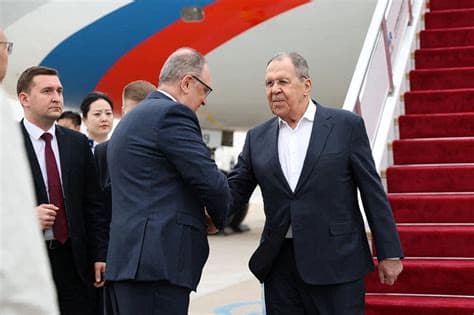
For Asian nations, many of which rely heavily on oil imports from the Gulf, the stability of the Strait of Hormuz is a matter of national security. Disruptions in supply could lead to economic shocks, affecting everything from transportation costs to industrial production. Therefore, the message from Washington resonates deeply with leaders who seek to protect their economic interests while navigating complex diplomatic relationships.
The concept of a "dangerous precedent" refers to the potential normalization of unilateral actions by state actors to control international chokepoints. If one nation succeeds in asserting dominance over a critical waterway, it may encourage others to do the same elsewhere. This could lead to a fragmentation of global trade routes, increasing the risk of conflict and reducing the predictability that businesses and governments rely on.
Diplomatic efforts are underway to reassure allies and deter aggressive moves. The U.S. maintains a significant naval presence in the region to ensure the free flow of commerce. However, military deterrence alone is not enough; diplomatic engagement and economic incentives are also crucial tools in maintaining stability. The goal is to create an environment where cooperation outweighs confrontation.
Iran’s perspective is rooted in its own security concerns and desire for leverage. Tehran views the strait as a strategic asset that can be used to negotiate better terms with the international community. Understanding this motivation is essential for crafting effective policies that address both security and diplomatic needs. It requires a nuanced approach that balances pressure with engagement.
The reaction from Asian leaders has been cautious but attentive. Many are seeking to diversify their energy sources and reduce dependence on the Gulf, but this is a long-term process. In the short term, ensuring the safety of current supply lines remains a priority. The dialogue with U.S. officials helps align strategies and build a unified front against potential disruptions.
Closing: As tensions simmer in the Persian Gulf, the warnings issued by Senator Rubio underscore the importance of vigilance and cooperation. The Strait of Hormuz remains a vital lifeline for the global economy, and its protection is a shared responsibility. Through continued dialogue and strategic foresight, the international community can work to prevent dangerous precedents and preserve the stability of these crucial waters.
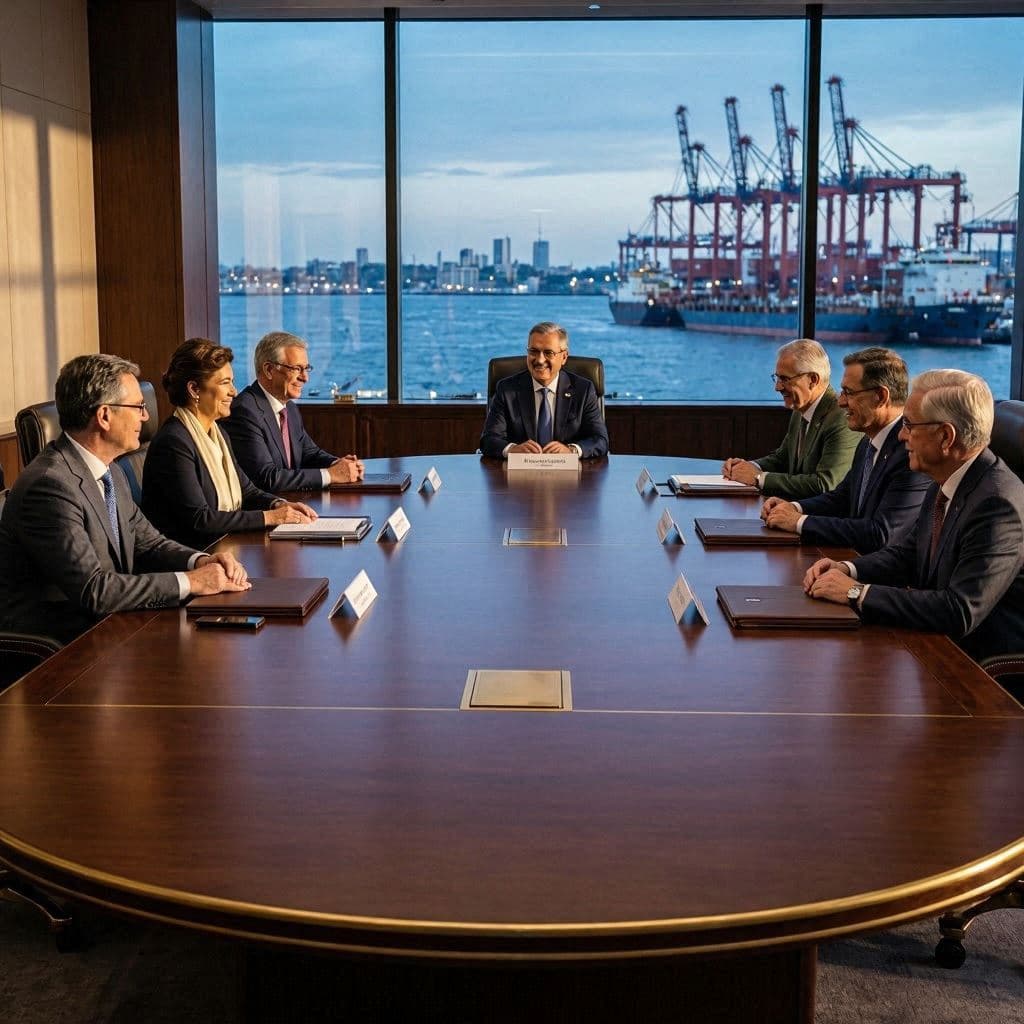
AI Image Disclaimer: Images included here are AI-generated concepts of maritime diplomacy and strategic waterways, designed to visualize the geopolitical context.
Sources: Reuters The Washington Post Foreign Policy U.S. Senate Press Releases
Published by Banx Network. This article is part of the Banx decentralized media programme, powered by the BXE token on the XRP Ledger.