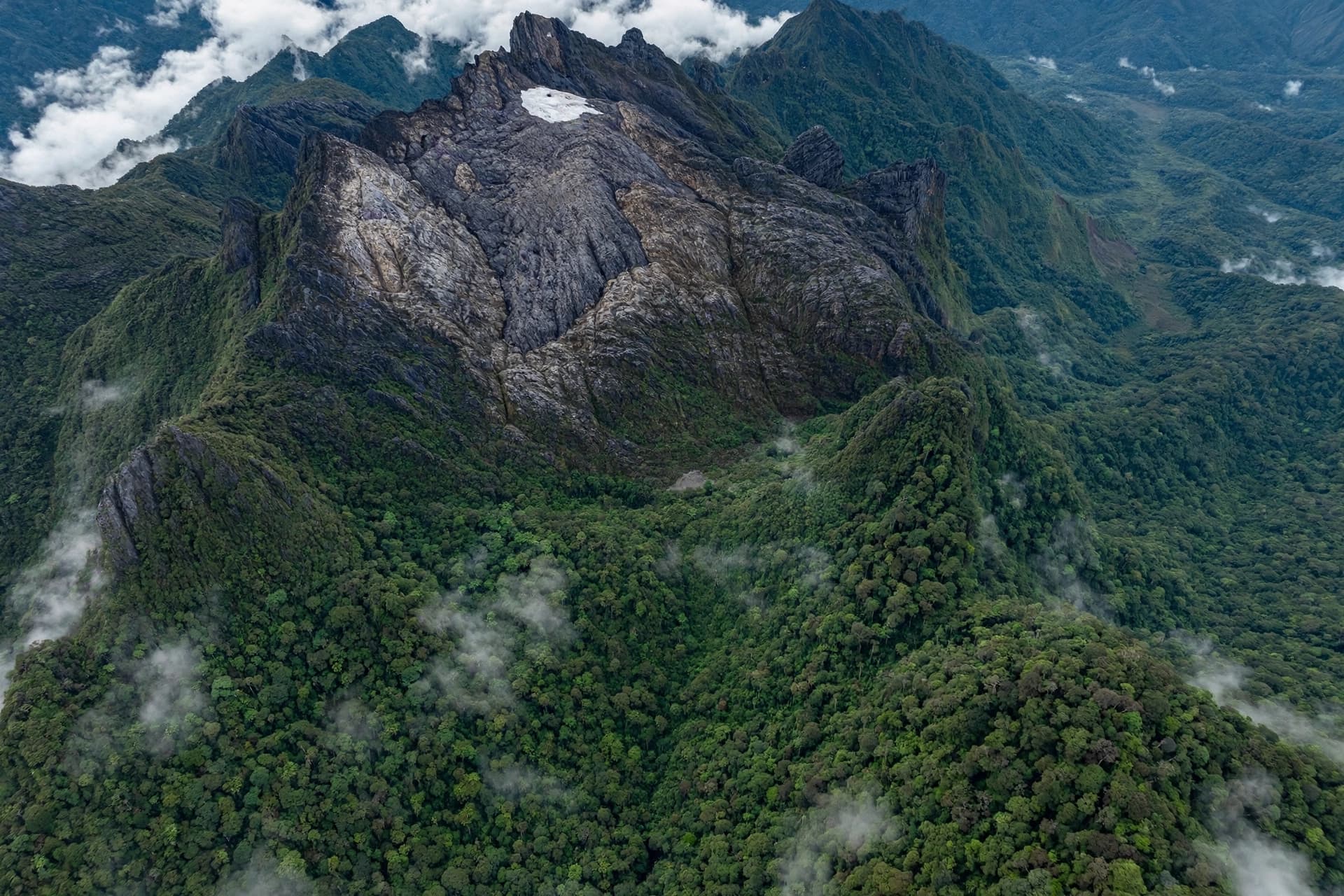
There is a particular kind of grief that comes from watching something ancient slip away—not with a sudden collapse, but with the slow, relentless drip of ice turning to water. On the island of New Guinea, just 450 kilometers south of the equator, the peaks of the Sudirman Range have carried snow and permanent ice for centuries. The Amungme people call the mountain Nemangkawi, the White Arrow. They believed their ancestors watched over it, that its purity symbolized how a life should be lived . Within a year or two, the last of that white will be gone. Sometimes the most permanent things are the ones we lose first.
A century ago, the 300-kilometer stretch of the Sudirman Range held snow and permanent ice on all four of its major peaks . Today, only small patches remain around Puncak Jaya, also known as Carstensz Pyramid. The glacier cover has shrunk from nearly 1,900 hectares in the 19th century to about 16 hectares today—a disappearance of more than 99 percent within a human lifetime . Indonesia's meteorological agency, BMKG, projects that the remaining ice will vanish entirely by the end of 2026 or early 2027 .
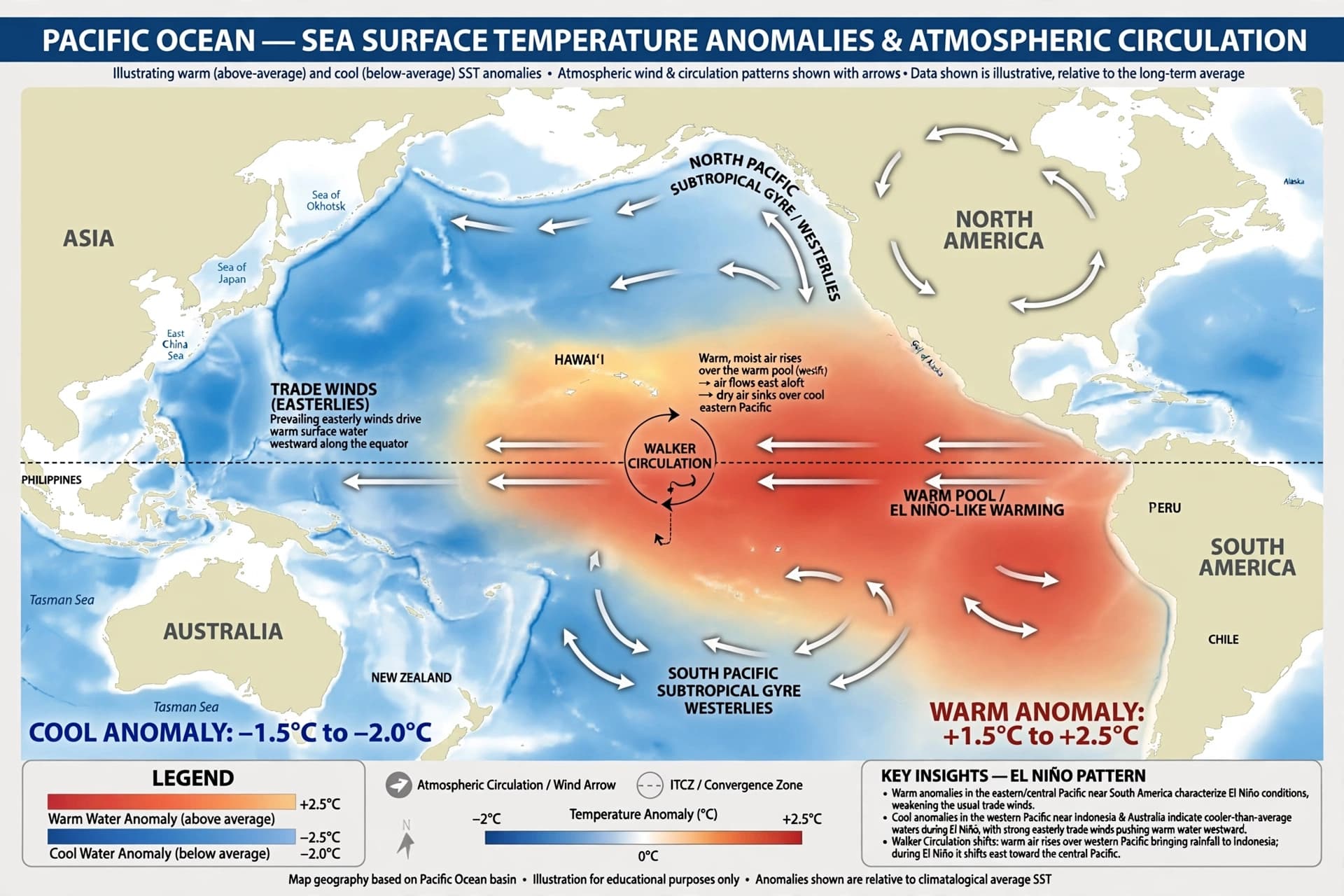
The causes are not mysterious. Rising atmospheric temperatures, driven by the burning of fossil fuels, have pushed the freezing point higher up the mountains, causing more precipitation to fall as rain instead of snow . El Niño events accelerate the process, and the one anticipated for late 2026 is expected to hasten the thaw . The ice thickness has plummeted from 32 meters in 2010 to just 4 meters by December 2023 . The record is being erased before scientists have had time to read it fully.
Ice cores taken from Puncak Jaya preserve a record of climate history stretching back thousands of years, offering insights into atmospheric conditions and the behavior of the tropical Pacific and Western Pacific Warm Pool . Marie Šabacká, a Czech glacier ecologist who traveled to the peak last March, described the loss as "a profound unfairness" . The tropical glaciers of Papua are unique because they are separated from other glacier systems by thousands of kilometers—the last remaining tropical ice between the Andes and the Himalayas .
For the Indigenous peoples who have lived in the shadow of these mountains for generations, the loss is not merely environmental. At least five groups have strong spiritual ties to Puncak Jaya. The Amungme activist Adolfina Kum asked: "How would Muslims feel if Mecca were destroyed? How would Catholics feel if Rome or the Vatican were destroyed?" Elfrida Natkime, a young Amungme woman, said the White Arrow symbolized honesty, purity, and moral integrity—values that parents and grandparents prayed their children would carry .
The disappearance also carries practical consequences. The melting ice contributes to sea-level rise, and the loss of the glaciers threatens water supply in the mountain valleys, potentially harming bird species and habitats dependent on stable water levels . The region has already been reshaped by the Grasberg mine, one of the world's largest gold and copper operations, which has excavated entire mountain faces and transformed surrounding valleys . The ice, which once seemed eternal, is now another thing being taken.
Scientists from Indonesia and abroad are racing to document what remains, using drone imagery to create detailed 3D models of the glaciers before they disappear . Klaus Thymann of Project Pressure, who led an expedition to the peak, described the scene as "planetary destruction on fast forward" . The ice will be gone, he said. It is not a question of if, but when. And when is coming very soon.
The remaining tropical glaciers on Puncak Jaya in Indonesia's Papua province are projected to disappear by 2026 or 2027, according to Indonesia's meteorological agency BMKG. Glacier cover has shrunk by more than 99 percent since 1850, with ice thickness dropping from 32 meters in 2010 to just 4 meters by late 2023. The loss carries scientific, cultural, and spiritual significance for Indigenous Papuans.
AI Image Disclaimer: The images accompanying this article are generated by artificial intelligence and are intended for illustrative purposes only.
Sources: BBC, Kompas.id, Arab News, Yahoo News Malaysia, The Guardian
Published by Banx Network. This article is part of the Banx decentralized media programme, powered by the BXE token on the XRP Ledger.