Political identity is often woven into the fabric of family and community, a steady compass guiding values and choices. For one mother in California, that compass has been shattered by tragedy. After her son was killed in a crash involving an undocumented immigrant, she publicly expressed her shame and disillusionment with the Democratic Party, marking a poignant and personal shift in her political allegiance. Her story reflects the complex emotional terrain where personal loss intersects with national policy debates.
The incident, which occurred earlier this year, claimed the life of her young son, a vibrant individual with a bright future. The driver involved, who had entered the country illegally, became the focal point of her grief and anger. For her, the tragedy was not just a random accident but a consequence of policies she believes failed to secure the border and protect citizens. This perspective has led her to question the party she had supported for decades, feeling that its priorities no longer align with her desire for safety and accountability.
Her public statement has resonated with many who share similar concerns, highlighting a growing rift within the Democratic base. While the party has long championed immigration reform and pathways to citizenship, critics argue that these efforts have sometimes overlooked the immediate impacts on local communities. Her voice adds a human dimension to these abstract policy discussions, reminding leaders that every decision has real-world consequences for real people.
However, her experience also sparks debate among advocates for immigrant rights, who caution against blaming an entire group for the actions of one individual. They emphasize that undocumented immigrants are not a monolith and that many contribute positively to society. The challenge lies in addressing legitimate security concerns without fostering division or prejudice. It is a delicate balance that policymakers strive to maintain.
For the mother, the political shift is deeply personal. She describes feeling abandoned by a party that she believed valued her family’s safety. Her journey from loyalty to disillusionment is a testament to the power of grief to reshape worldviews. It serves as a reminder that political affiliations are not static but can evolve in response to life’s most profound moments.
The broader political implications are significant. As elections approach, stories like hers may influence undecided voters or prompt others to reevaluate their own positions. Politicians must listen to these voices, acknowledging the pain while offering solutions that address both security and compassion. Ignoring such sentiments risks alienating a crucial segment of the electorate.
Community support has been mixed, with some rallying around her call for stricter enforcement and others offering condolences while urging unity. The dialogue surrounding her story is intense, reflecting the polarized nature of contemporary politics. Yet, it also opens space for honest conversation about the failures and successes of current immigration systems.
In the end, her admission of shame is a cry for change, driven by love and loss. It invites the political establishment to look beyond partisan lines and consider the human cost of policy decisions. By listening to her, perhaps we can find a path that honors both safety and humanity.
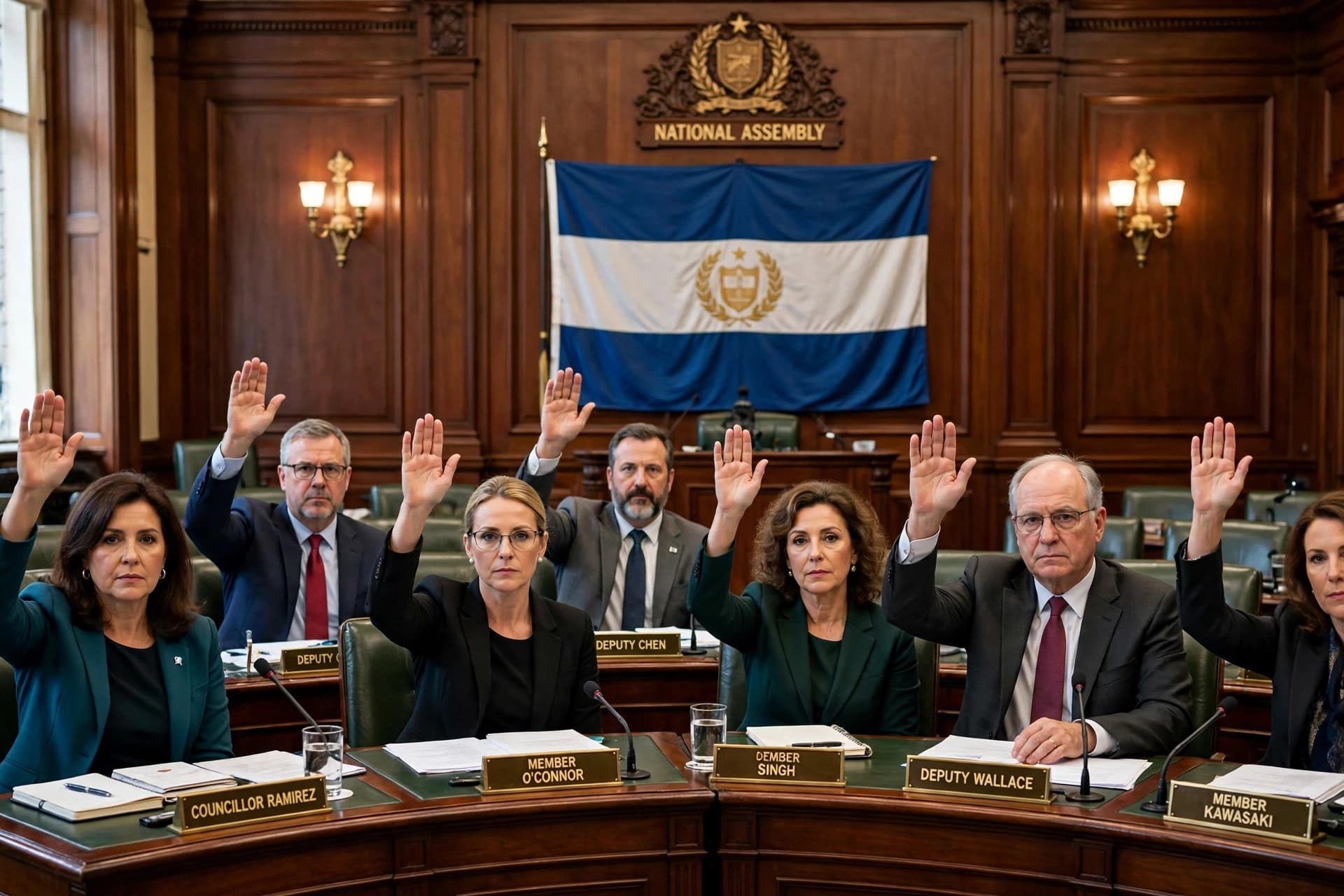
AI Image Disclaimer: The images accompanying this article are AI-generated artistic interpretations of grief and political reflection, not actual photographs of the individuals involved.
Sources: Fox News New York Post Daily Mail
Published by Banx Network. This article is part of the Banx decentralized media programme, powered by the BXE token on the XRP Ledger.