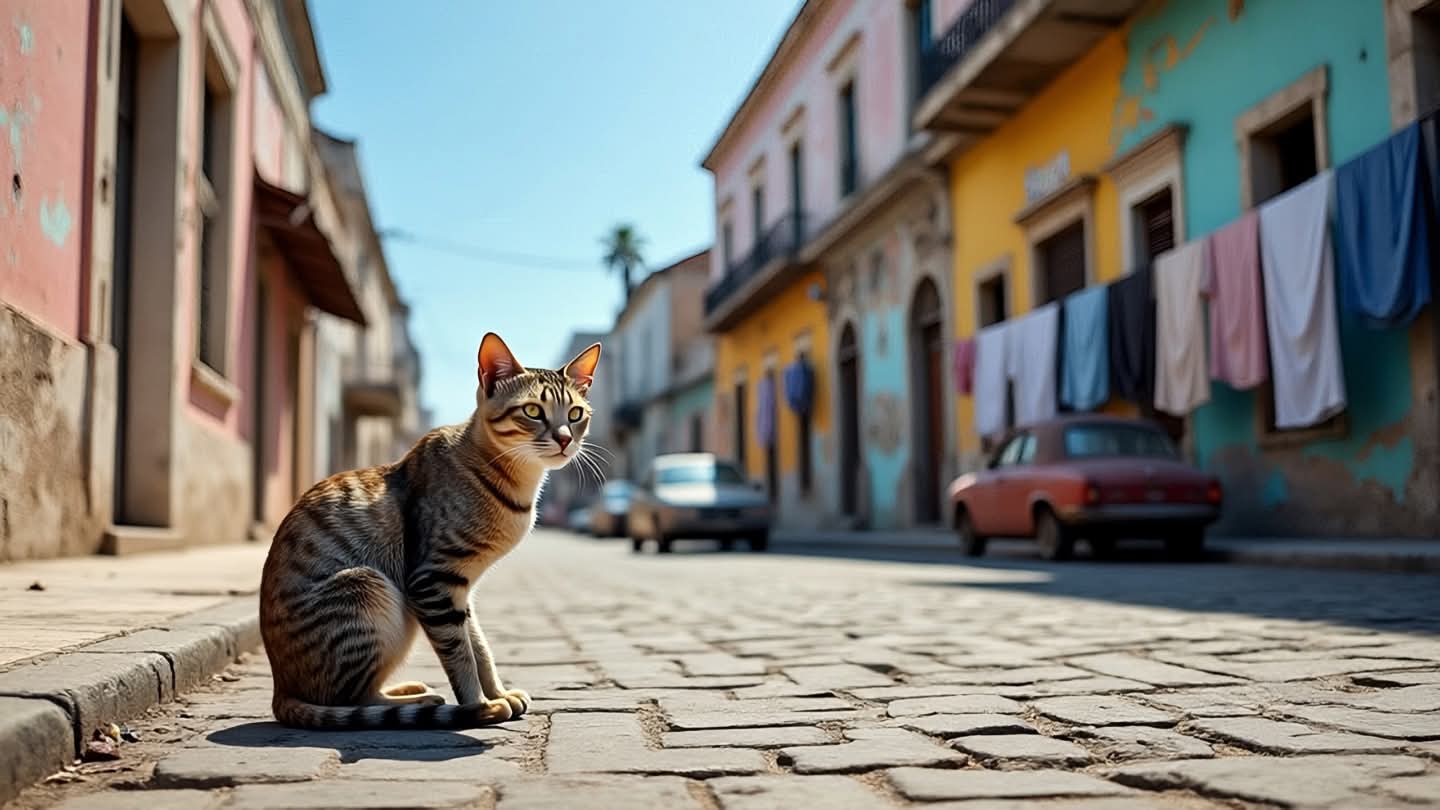
In the vibrant streets of Havana, life has always moved to a rhythm defined by resilience and resourcefulness. Yet, beneath the colorful facades and historic architecture, a quiet struggle is unfolding—one that touches even the most vulnerable members of society, including its animal population. As Cuba grapples with a deepening economic crisis, the plight of stray cats has become a poignant symbol of the broader hardships facing the island nation. Their suffering reflects the scarcity that permeates daily life, reminding us that in times of crisis, no living being is entirely untouched.
The economic downturn in Cuba has led to severe shortages of basic goods, including food and medicine. For pet owners, this means difficult choices about how to feed their companions. For stray animals, who rely on the kindness of strangers or scavenging, the situation is even more precarious. Reports from local animal welfare groups indicate a noticeable decline in the health of street cats, with many appearing emaciated and vulnerable to disease.
Veterinarians and volunteers are working tirelessly to provide care, but they face significant challenges. Supplies such as antibiotics, vaccines, and even basic cat food are scarce and expensive. The black market often fills the gap, but at prices that are out of reach for many ordinary citizens. This creates a heartbreaking dynamic where compassion is abundant, but the means to act on it are limited.
The issue of stray animals is not new to Cuba, but the current intensity of the crisis has exacerbated it. In better times, community networks and informal support systems helped manage the population. Now, those networks are stretched thin as people focus on securing food and essentials for their own families. The safety net, once woven from neighborly goodwill, is fraying under the weight of systemic scarcity.
Animal rights advocates argue that the treatment of stray animals is a barometer for societal well-being. When a community struggles to care for its pets and strays, it signals deeper structural issues. The visibility of suffering animals serves as a constant, gentle reminder of the human cost of economic instability. It evokes empathy and calls for collective action, even in the face of limited resources.
International organizations have offered some assistance, sending supplies and supporting local shelters. However, logistical hurdles and political complexities often slow the delivery of aid. Local initiatives remain the backbone of the response, driven by individuals who refuse to let compassion fade despite their own hardships. Their dedication is a testament to the enduring spirit of the Cuban people.
As the crisis continues, the focus remains on finding sustainable solutions. Sterilization programs, though disrupted, are seen as essential for long-term management. Education about responsible pet ownership is also crucial, helping to prevent further abandonment and suffering. These efforts require patience and persistence, qualities that Cubans have honed over decades of challenge.
Local authorities and NGOs continue to collaborate on emergency relief efforts for stray animals. While the road ahead is uncertain, the commitment to alleviating suffering remains a shared priority for many in the community.
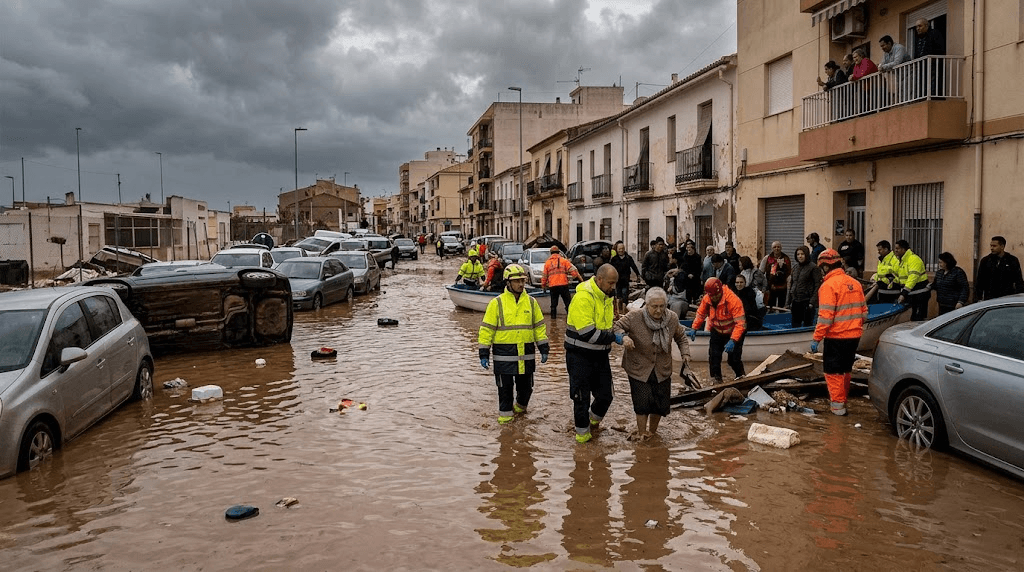
AI Image Disclaimer: Please note that the visual accompaniments for this article are AI-generated illustrations created to reflect the thematic elements of urban life, animal welfare, and community resilience in Cuba.
Sources: Reuters Associated Press BBC News Local Cuban Animal Welfare Groups (e.g., Animales Sin Hogar) The Guardian
Published by Banx Network. This article is part of the Banx decentralized media programme, powered by the BXE token on the XRP Ledger.