The language of sanctions is rarely poetic. It speaks in lists and restrictions, in names added quietly to annexes and measures adopted behind closed doors. Yet behind those formalities lies a story of pressure accumulating — of actions that, taken together, have reached a point where restraint gives way to response.
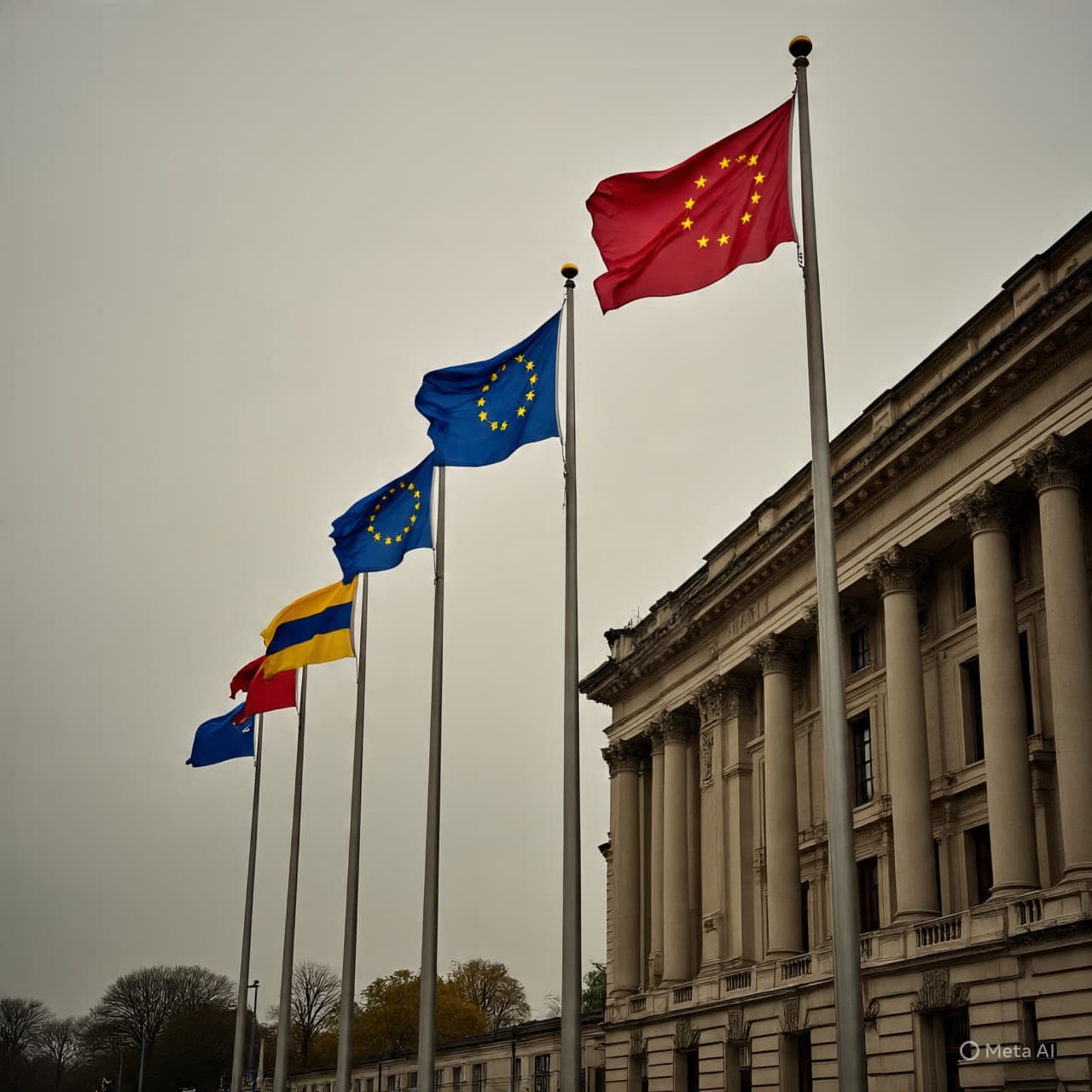
The Council of the European Union has adopted a new round of sanctions on Iran, citing serious human rights violations inside the country and Tehran’s continued support for Russia’s war of aggression against Ukraine. The decision binds two arenas that might otherwise seem distant: the streets and prisons of Iran, and a war unfolding hundreds of miles away.
European officials framed the measures as both accountability and warning. Within Iran, authorities have been accused of violently suppressing dissent, detaining protesters, and targeting journalists, activists, and legal advocates. These acts, the Council said, represent patterns rather than isolated events — a sustained tightening of control that has drawn growing international concern.
At the same time, Iran’s role beyond its borders has come under sharper scrutiny. European governments point to military and logistical support provided to Russia, support they say has helped sustain a war that continues to reshape Europe’s security landscape. In linking the two issues, the Council made clear that domestic repression and external destabilization are no longer treated as separate files.
The sanctions target individuals and entities deemed responsible for abuses and for material support to Russia’s military campaign. Assets are frozen, travel restricted, and economic engagement curtailed. These are familiar tools, yet their symbolism remains potent: a narrowing of space, a deliberate signal that certain behaviors now carry cumulative cost.
Iran has repeatedly rejected such measures, describing them as political and unjust. But within Europe, the decision reflects a broader recalibration — a sense that engagement without consequence has limits, and that violations, whether against citizens or international norms, cannot be compartmentalized indefinitely.
Sanctions do not end conflicts, nor do they resolve internal crises. They operate instead as markers, drawing lines where diplomacy has stalled. In this case, the line runs from protest squares to battlefields, connecting actions that, taken together, have reshaped how Iran is viewed in European capitals.
What remains is uncertainty: whether pressure alters behavior, or merely hardens positions. But for now, the Council has chosen clarity over ambiguity — a statement that the costs of repression and war no longer remain separate, or silent.
AI Image Disclaimer Visuals are AI-generated and serve as conceptual representations.
Sources Council of the European Union European diplomatic officials International human rights monitoring bodies
نُشر بواسطة Banx Network. هذا المقال جزء من برنامج الوسائط اللامركزية من Banx، مدعومًا برمز BXE على شبكة XRP Ledger.