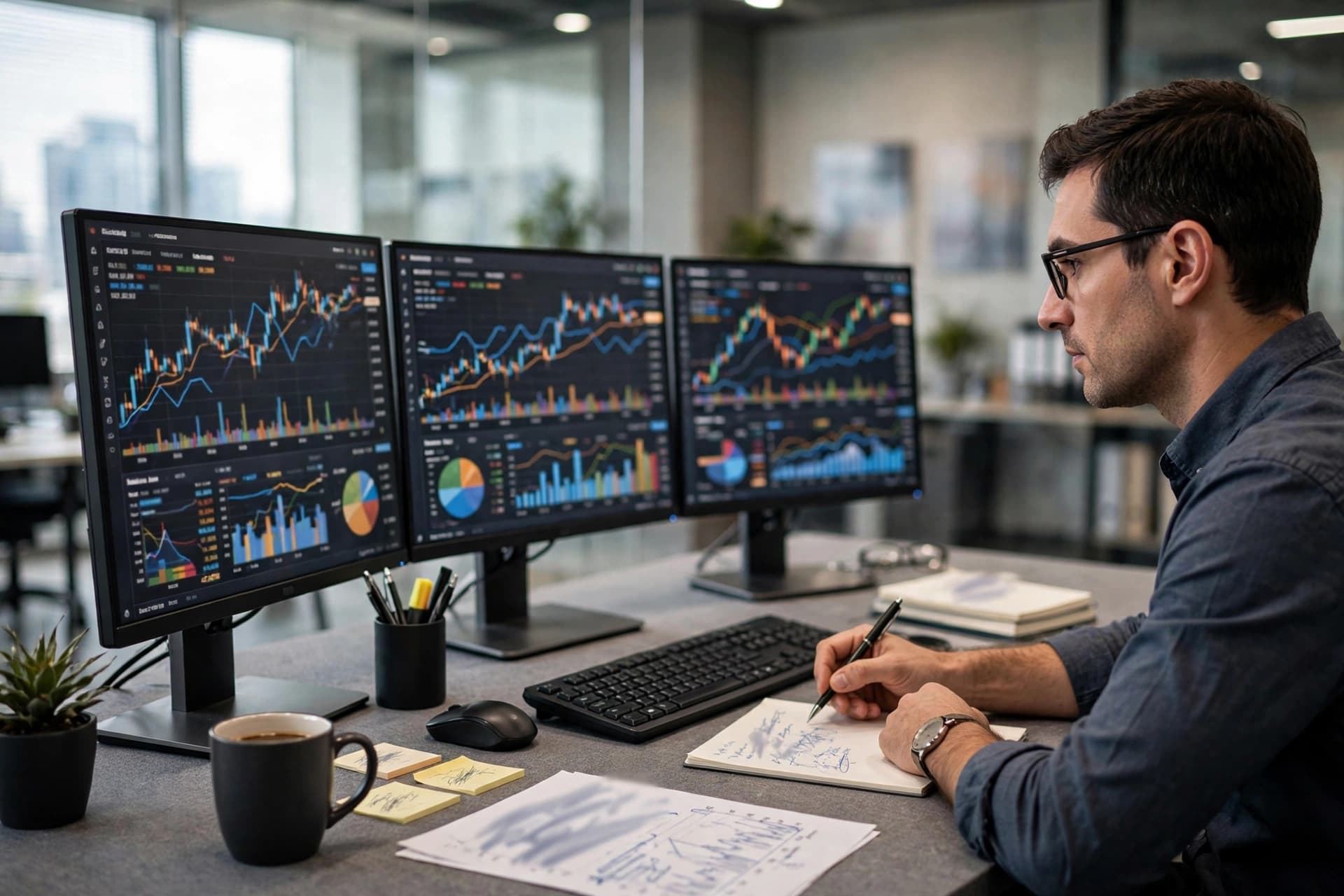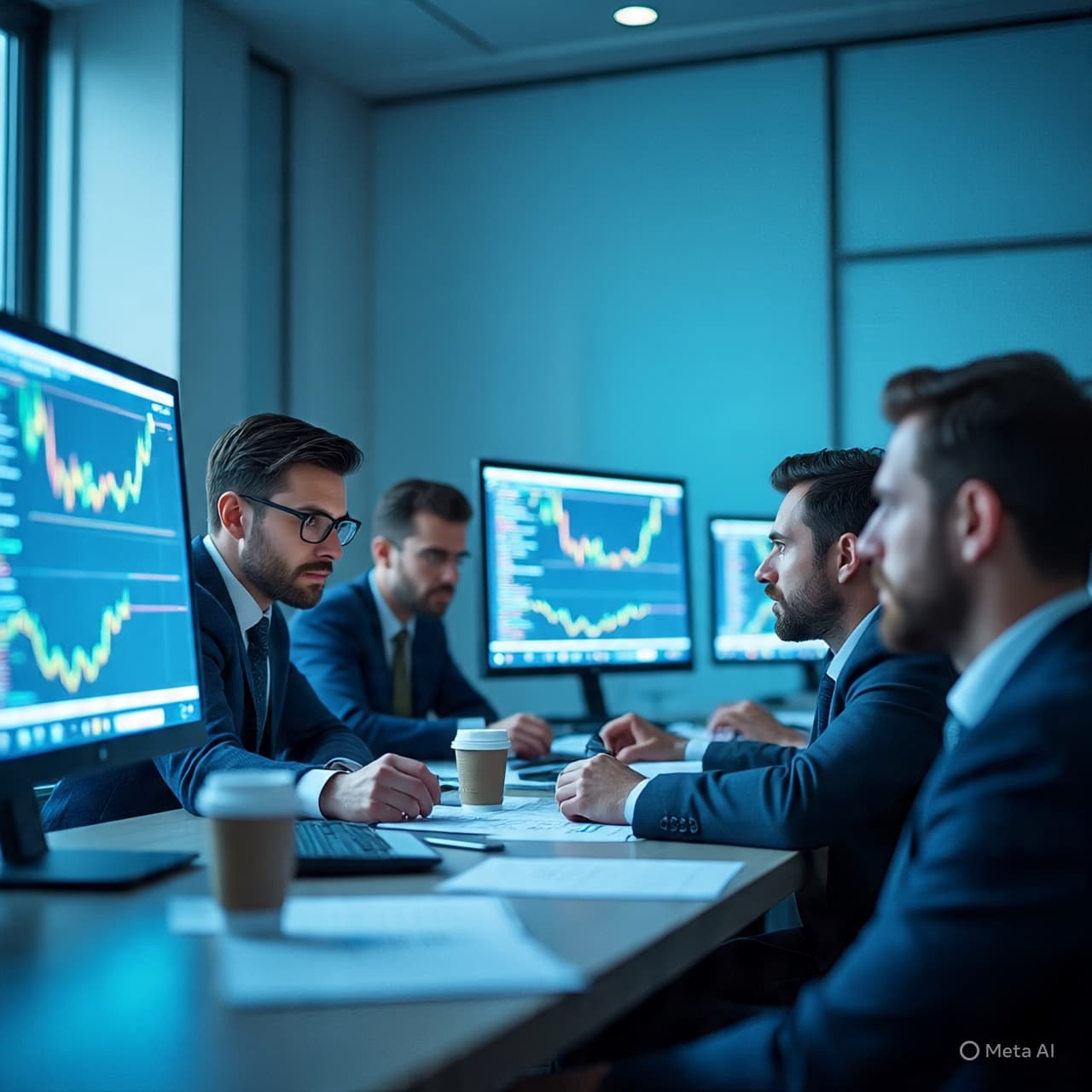
On cool mornings when the world still sleeps in quiet anticipation, a new kind of wager stirs online: not on horses rounding a track or teams scoring touchdowns, but on words uttered, numbers reported, and futures yet unpenned. Much as mariners once cast lots to divine the winds, today’s prediction market traders fold their intentions into digital bets, watching currents of data and rumor swirl across screens in place of oceans. At the heart of this world are people who have tilted their lives so fully toward these markets that they’ve quit conventional work entirely, turning devotion to worldly outcomes into something that feels to them like both art and instinct.
For some, the shift began innocuously — a handful of profitable trades that hinted at potential, a curiosity about how public expectation could be marketed and measured. Over time, as platforms like Kalshi and Polymarket expanded their reach into events ranging from political pronouncements to deportation figures and global happenings, the line between hobby and occupation began to blur for those who found themselves drawn deeper into the numbers. The screens multiply like constellations of possibility, each market a star that could shine profit or slip into darkness.
In these spaces, the pulse of the world is not just news to be read but probabilities to be weighed. Traders such as Logan Sudeith and Evan Semet, whose days once revolved around structured routines in finance or analytics, now mark their hours by the ebb and flow of bets placed and resolved. They pore over markets that ask whether a leader will utter a certain word in a speech, or how many screenings a transportation agency will record — outcomes that blend the practical with the absurd, the momentous with the minutiae of daily life.
This fascination is often framed as a marriage of insight and intuition. To participants, prediction markets offer a distilled form of collective judgment — a way for many perspectives to coalesce into a single price that is read as an estimate of future events. Unlike traditional sports betting, where fortunes hinge on runs and goals, these markets are pitched as arenas where the wisdom of crowds can be harnessed for both information and income.
Yet not all see it through rose-tinted lenses. Skeptics, including industry observers and regulatory voices, note that these platforms often resemble gambling in all but name — rife with risk, vulnerable to information imbalances, and shaped by incentives that may not reflect broader truths. Trades that yield large profits can be accompanied by controversies over insider advantages or unregulated behavior, raising questions about fairness and the real world impacts of turning global events into tradable contracts.
The manifold allure of prediction markets — the blend of speculation, analysis, and real-time engagement — has drawn people toward what some describe as an intoxicating rhythm. Week after week, trackers of these markets report investment of time and emotion that rivals or eclipses a traditional livelihood, a testament to the strange magnetism of an ecosystem where the next headline becomes tomorrow’s price movement.
In the quiet after the click of a placed bet or the fade of a concluded contract, traders sometimes find themselves contemplating deeper questions about the nature of risk and reward. The world outside hums on, unaware or indifferent, while inside this animated arena of probabilities and predictions, lives are being reshaped, priorities realigned, and futures hedged not just with spreadsheets but with palpable faith in the market’s verdict.
Looking ahead, regulators and participants alike are watching this space with measured curiosity. Discussions swirl around how to balance innovation with oversight, and whether markets that trade on contemporary events can ever be insulated from manipulation, misinformation, or unintended consequences. But for the individuals who placed their bets — literally and figuratively — this unfolding chapter is less about caution and more about the strange exhilaration of watching the world turn into a ledger of possibilities.
AI Image Disclaimer (Rotated Wording) “Illustrations were produced with AI and serve as conceptual depictions, not real photographs.”
Source Check — Credible Sources Found
NPR / Northern Public Radio
NPR / KASU
NPR / Delaware Public Media
NPR / New Hampshire Public Radio
Wikipedia entry on prediction markets
(Proceeding with article based on these credible sources
Published by Banx Network. This article is part of the Banx decentralized media programme, powered by the BXE token on the XRP Ledger.