In the stillness of Siberian permafrost, the frozen body of a juvenile woolly mammoth held a secret far more delicate than bone: strands of RNA, preserved for nearly 40,000 years. This fragile molecule — the messenger of life — has been recovered and sequenced, revealing a molecular snapshot of what was happening inside the mammoth’s cells shortly before its death.
Scientists extracted the RNA from the muscle tissue of Yuka, a well-preserved mammoth whose remains were first discovered in 2010. What they found astonished the research team: hundreds of thousands of RNA fragments survived in a specimen about 39,000 years old, making it the oldest RNA ever sequenced.
Unlike DNA, which offers a static blueprint of an organism’s genome, RNA provides insight into dynamic biological activity — which genes were “turned on,” how the body was functioning in real time. In Yuka’s case, the RNA signals pointed to genes involved in muscle contraction and stress response, suggesting her cells were under duress.
Remarkably, the analysis also revealed microRNAs — tiny regulatory molecules that do not code for proteins but help control gene expression — that appear to be muscle-specific. Their presence indicates not only that the RNA was preserved, but that the researchers could recover real information about how Yuka’s body was regulated at death.
One striking twist: Yuka, long assumed to be female based on her remains, actually turned out to be male. The RNA showed Y-chromosome–specific signals, overturning previous assumptions.
Perhaps even more compelling is what this discovery means for science. Researchers long believed that RNA was too fragile to survive millennia. But this study — published in Cell — challenges that assumption, showing that under the right conditions (like deep freeze in permafrost), even this delicate molecule can persist.
This opens a new window for paleogenomics. With ancient RNA, we might start to read the cellular lives of extinct creatures, not just their genetic code. Scientists say this could help us understand how ancient animals responded to stress, disease, or environmental change — in a way that DNA alone cannot.
As the field moves forward, the team hopes to apply their methods to other well-preserved ancient remains and possibly even detect ancient RNA viruses.
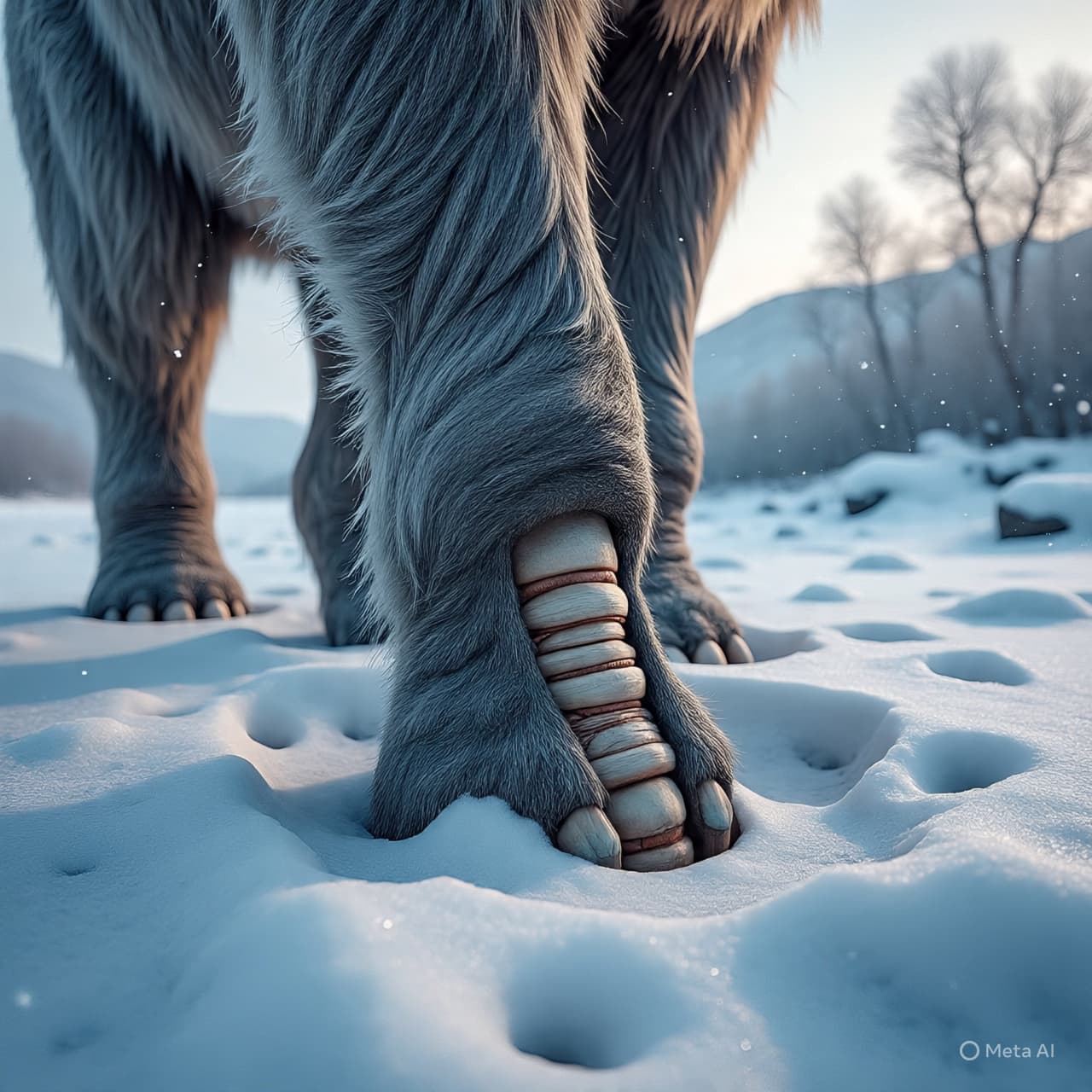
AI Image Disclaimer: “Visuals are created with AI tools and are not real photographs.”
Sources: LiveScience ScienceAlert Popular Science
Published by Banx Network. This article is part of the Banx decentralized media programme, powered by the BXE token on the XRP Ledger.