There is a particular kind of discovery that arrives not from a spectacular skeleton, not from a skull mounted on a museum wall, but from fragments so small and worn that they might have been overlooked by anyone not looking for something else. In Denisova Cave, in the Altai Mountains of southern Siberia, researchers have identified a previously unknown large mammal from the Ice Age—a close relative of modern yaks—using nothing but traces of ancient DNA preserved in bone fragments too incomplete to identify by shape.
The animal has been provisionally named "Yak X." Its evolutionary lineage separated from the ancestors of modern yaks roughly 400,000 years ago, according to the study reported by Reuters. The research examined twenty bone fragments, fourteen from Denisova Cave and six from other sites in the region, ranging in age from about 250,000 to 200,000 years old to roughly 27,000 years old . From these fragments, scientists reconstructed twenty ancient genomes.
The bones themselves were unremarkable. They were too fragmentary to identify through physical characteristics alone. It was the DNA that revealed the animal belonged to the bovine family but did not match any known living or extinct species. "Identifying a large mammal species from tiny, unidentifiable bone fragments is unusual," said Love Dalén, an evolutionary geneticist at the Centre for Palaeogenetics and a senior author of the research .
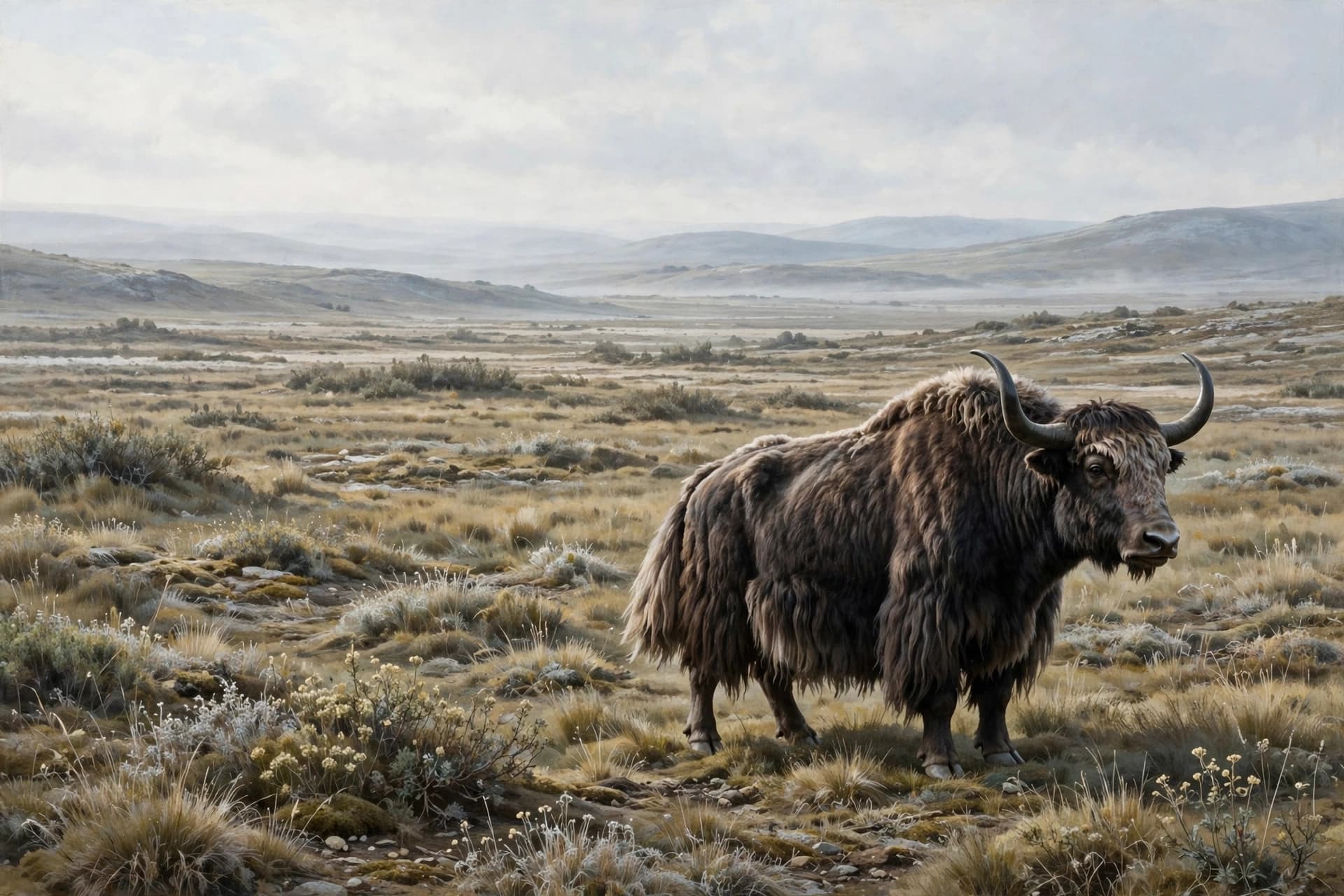
The find adds a species to the roster of large mammals that inhabited the mammoth steppe, the vast grassland ecosystem that stretched across Siberia during the Ice Age. Yak X lived alongside steppe bison, aurochs, woolly mammoths, woolly rhinoceroses, and horses. Among its predators were cave hyenas and brown bears. Given its close relationship to modern yaks, researchers believe it likely resembled a yak more than a bison—stocky, horned, and shaggy, with the largest males perhaps weighing up to a ton .
The genetic analysis also offered a glimpse into the animal's decline. Populations appear to have shrunk during a warming period around 120,000 years ago. The species eventually went extinct sometime after the youngest specimen, dated to about 27,000 years ago, though the exact timing remains unknown . The research does not assign a formal scientific name because genetic data alone is insufficient for that designation, but the provisional name allows scientists to discuss and study the lineage while further work proceeds.
Denisova Cave is already famous for a different reason. In 2008, a finger bone found there provided the first evidence of Denisovans, an extinct human group closely related to Neanderthals and modern humans. The cave has since yielded remains from multiple periods, and the presence of Yak X raises the possibility that the animal was among the creatures Denisovans hunted. "It seems reasonable that Yak X was on the Denisovan menu," Dalén said .
For now, Yak X exists as a name and a genome, a creature known only from the traces it left in stone and bone. It lived for hundreds of thousands of years in the grasslands of Siberia, alongside mammoths and rhinos and the human relatives who shared its world. It disappeared, as so many Ice Age giants did, and left behind no skeleton grand enough to announce it. Only the DNA remained, waiting in fragments for someone to read it.
---
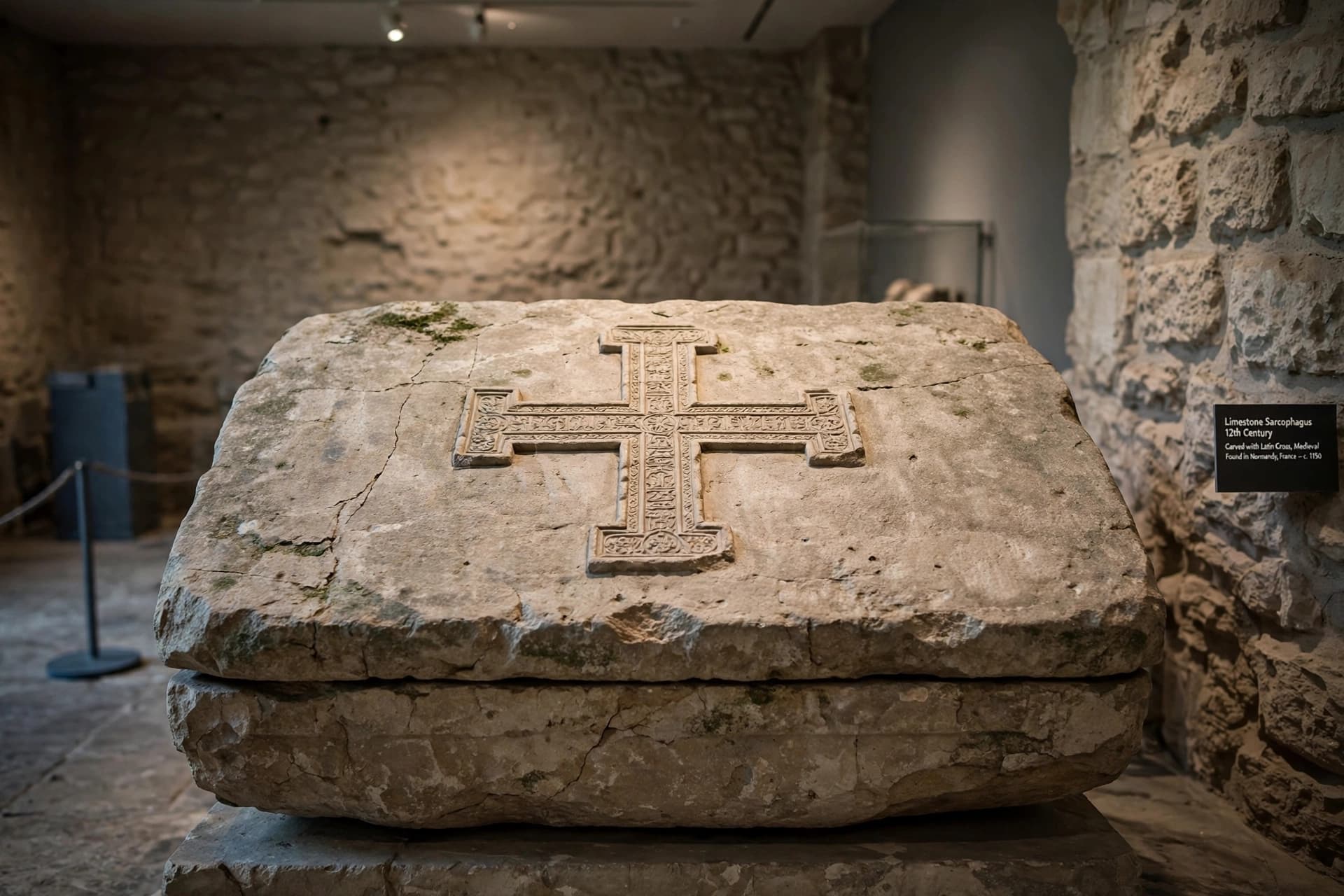
AI Image Disclaimer: The images in this article are generated by artificial intelligence and are intended for illustrative purposes only.
Sources: Reuters (via Ukrainian and Belarusian reports), Centre for Palaeogenetics, 92 News HD
Published by Banx Network. This article is part of the Banx decentralized media programme, powered by the BXE token on the XRP Ledger.