Wars are often decided far from the noise of direct confrontation. Beyond trenches and front lines, they turn on movement — fuel, food, and the steady flow that keeps armies functioning. In Crimea, that movement was briefly interrupted.
Ukrainian special forces said they carried out an operation targeting a train on the Crimean Peninsula that was loaded with fuel intended for Russian military use. The statement framed the strike as part of a broader effort to disrupt logistics supporting Russian forces operating in occupied territory.
Crimea holds symbolic and strategic weight in the conflict. Annexed by Russia in 2014, the peninsula has since served as a critical hub for supply routes, air bases, and naval operations. Fuel shipments, in particular, are essential to sustaining both defensive positions and offensive capabilities.
By focusing on transport infrastructure rather than personnel, the operation underscores a tactical approach aimed at weakening capacity rather than escalating direct confrontation. Military analysts have long noted that supply lines are among the most vulnerable elements in modern warfare, especially when stretched across contested regions.
Russian authorities have not immediately provided detailed confirmation of the incident, a pattern consistent with previous strikes reported in Crimea. Information from the peninsula often emerges unevenly, shaped by security restrictions and competing narratives.
For Ukraine, the message appears twofold. Operationally, it signals reach — an ability to strike targets deep within territory claimed by Russia. Strategically, it reinforces an emphasis on attrition, seeking to impose cost and complexity rather than singular dramatic outcomes.
Such operations also carry broader implications. Attacks on logistics can slow momentum, force rerouting, and increase strain on already pressured systems. They can alter calculations without changing maps overnight.
As the conflict continues, Crimea remains a focal point where symbolism and strategy overlap. Each reported strike adds to the sense that the peninsula is no longer insulated from the war’s shifting dynamics.
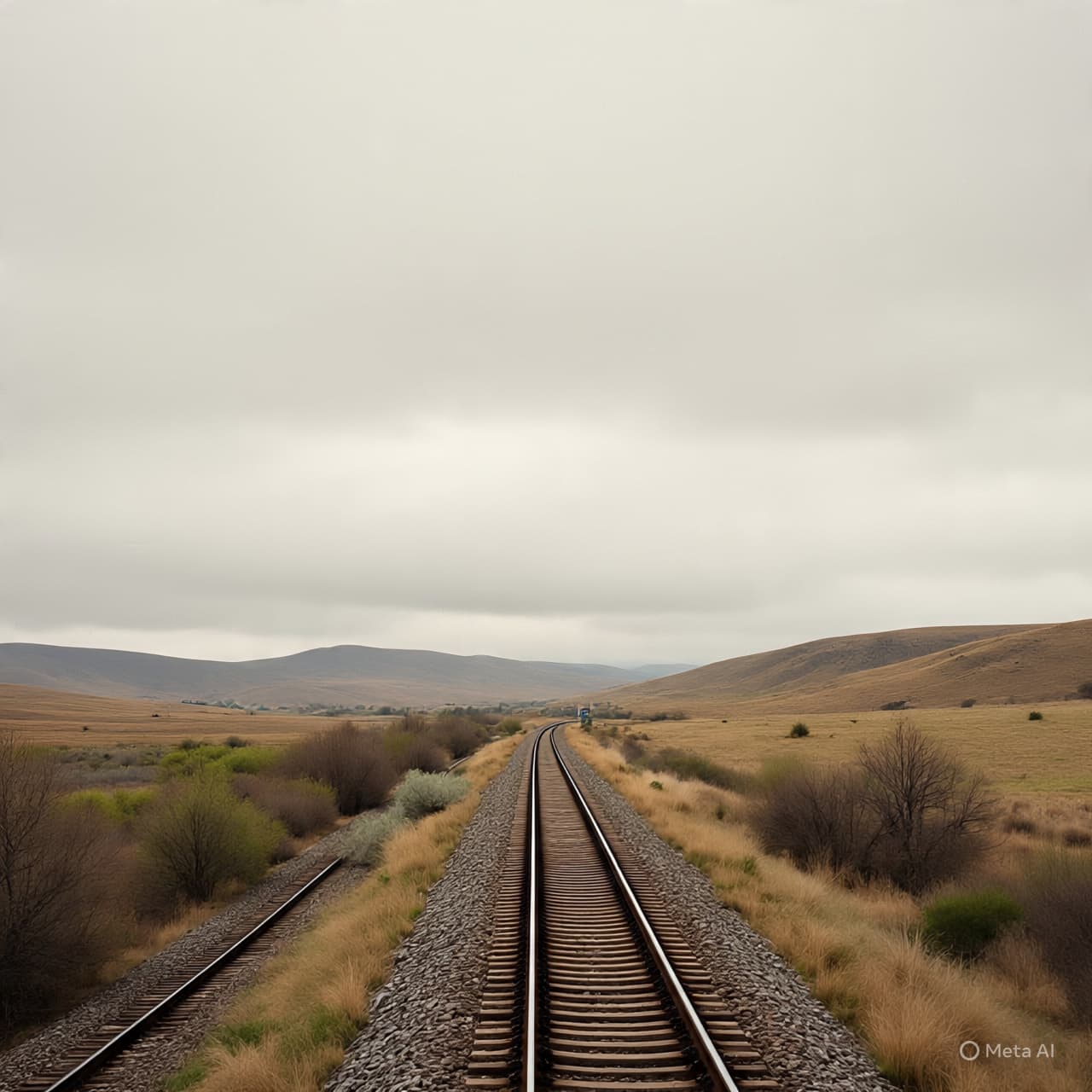
Whether this operation produces lasting impact will depend on follow-up, resilience, and response. But for a moment, at least, the rails that carried fuel instead carried a message: in this war, even movement is contested.
Published by Banx Network. This article is part of the Banx decentralized media programme, powered by the BXE token on the XRP Ledger.