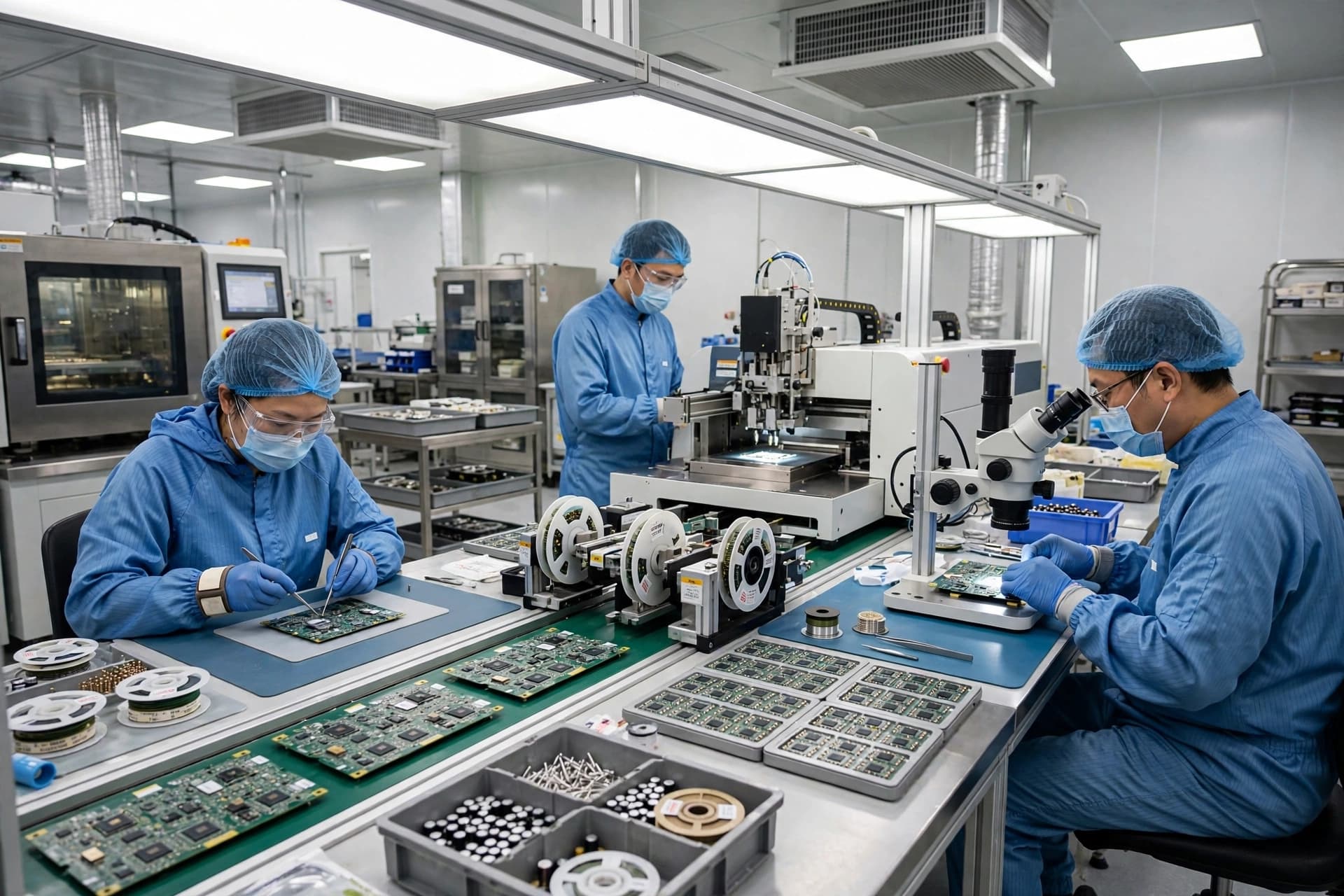
In January, winter settles deep across northern China, pressing cold air against factory walls and slowing the morning start. Trucks idle a little longer, gates lift with familiar creaks, and inside vast workshops, machines hum with a steadier, more restrained cadence. The year begins not with a surge, but with a pause—a moment where motion is measured carefully, and expectations recalibrated.
China’s official manufacturing purchasing managers’ index slipped to 49.3 in January, edging further below the 50 mark that separates expansion from contraction. The number itself is precise, yet its meaning unfolds more gradually, reflecting an industrial sector still searching for balance after a year of uneven recovery and shifting demand.
The PMI, compiled from surveys of factory managers across the country, captures subtle changes in output, new orders, employment, and delivery times. January’s reading points to continued softness, particularly in new orders, as domestic demand remains cautious and overseas markets offer little momentum. Export-oriented manufacturers, once buoyed by global restocking cycles, now face thinner pipelines and longer pauses between shipments.
Seasonality plays its quiet role. The approach of the Lunar New Year traditionally brings temporary slowdowns as workers return home and production schedules thin. Yet this year, the holiday lull overlays broader structural concerns—property sector weakness, subdued consumer confidence, and the lingering effects of global monetary tightening that ripple through supply chains.
Factory managers describe a climate of careful adjustment rather than retreat. Inventory levels are watched closely, hiring remains restrained, and capital expenditures are paced rather than rushed. In some regions, local governments have moved to support manufacturers with targeted incentives, while banks continue to guide credit toward priority industries such as advanced manufacturing and green technologies. Still, the data suggests these supports have yet to translate into a broad-based rebound.
Outside the factories, the implications spread quietly. Manufacturing remains a cornerstone of China’s economy, shaping employment patterns, freight volumes, and regional growth. A PMI below 50 does not signal collapse, but it does suggest friction—an economy moving forward with shorter steps, attentive to each footfall.
As January closes, the reading leaves policymakers with familiar questions. How much stimulus is enough to restore confidence without reviving old imbalances? How can demand be encouraged while structural reforms continue at a deliberate pace? These considerations hover behind the data, unspoken but present.
For now, the number stands at 49.3, a modest distance below a symbolic line. Factories will reopen fully after the holiday, machines will resume their fuller rhythms, and new readings will arrive in time. Until then, the January PMI remains a winter marker—recording not only output and orders, but the measured mood of an economy waiting for momentum to return.
AI Image Disclaimer Visuals are AI-generated and serve as conceptual representations.
Sources (names only) National Bureau of Statistics of China Reuters Bloomberg Caixin Associated Press
Published by Banx Network. This article is part of the Banx decentralized media programme, powered by the BXE token on the XRP Ledger.