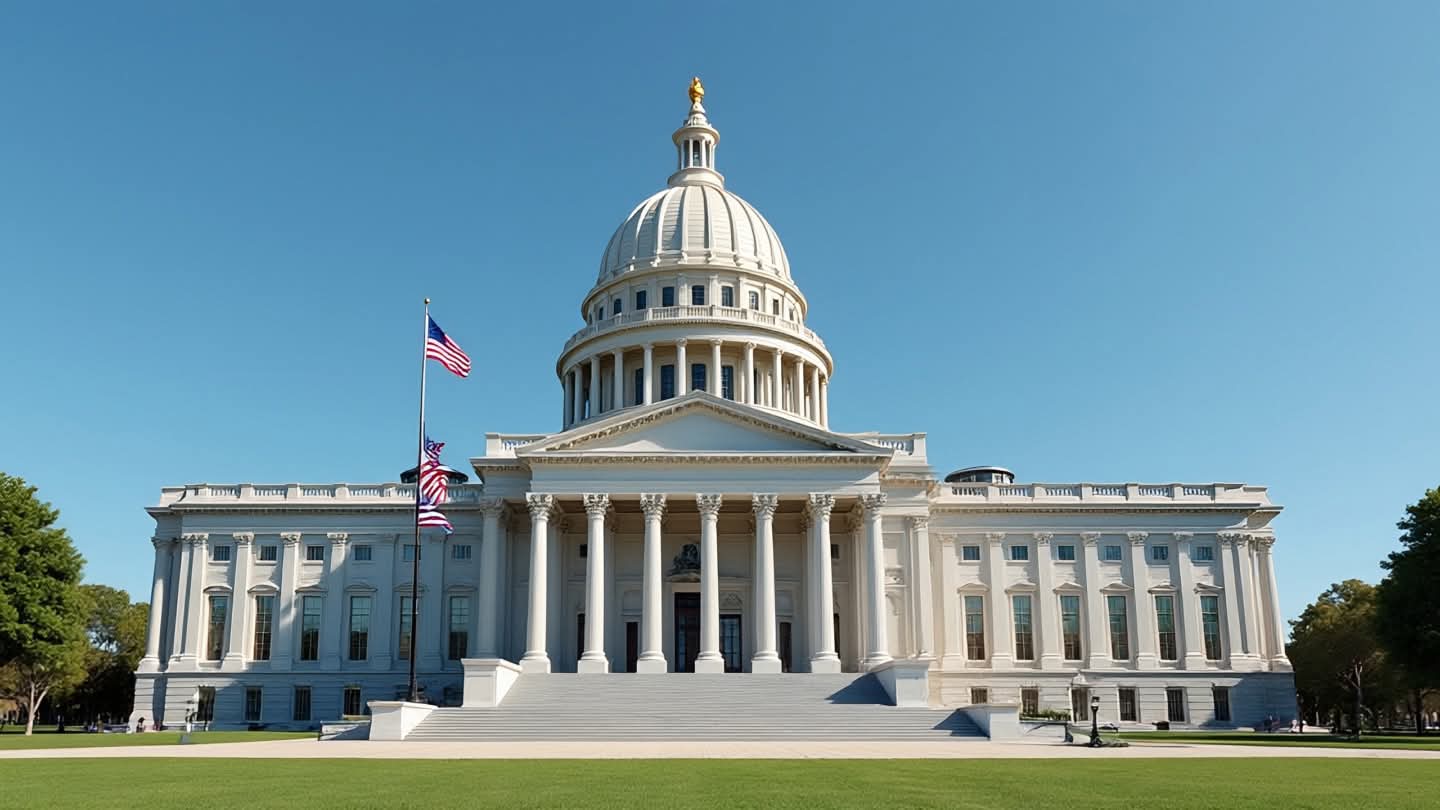
In the grand architecture of American democracy, the states have long served as the laboratories of electoral practice, each crafting its own methods for ensuring that every voice is heard. When the Supreme Court recently issued a ruling that allows the implementation of new federal guidelines on mail-in voting, it sent a ripple through this carefully balanced system. For Democratic governors across the nation, the decision was not just a legal shift but a challenge to the autonomy they have fiercely guarded. Their response, unified and firm, echoes a foundational principle: that the power to conduct elections resides with the states, not with any single individual in the White House.
The ruling, which paused lower court decisions blocking parts of an executive order by President Trump, has sparked a vigorous debate about the boundaries of federal authority. The order in question seeks to impose new requirements on states that automatically mail ballots to voters, including the submission of voter lists to the Postal Service. While the administration argues these measures are necessary for security and efficiency, many state leaders view them as an overreach that could disrupt established and successful voting systems.
Governors from states like New Jersey, Pennsylvania, and Wisconsin have been particularly vocal, emphasizing that their local election infrastructures are robust and trusted by their constituents. They argue that the sudden introduction of federal mandates could create confusion and unnecessary barriers for voters who rely on the convenience of mail-in ballots. For these officials, the protection of voting rights is a personal and political priority, one that they are willing to defend against any perceived intrusion.
The phrase "States run elections, not Donald Trump," circulated widely among Democratic leadership, capturing the sentiment of resistance. It reflects a broader tension between the current administration’s centralizing tendencies and the traditional decentralized nature of American elections. This friction highlights the ongoing struggle to define the role of the federal government in processes that have historically been managed at the local level.
Legal experts note that while the Supreme Court’s decision allows the order to proceed for now, it does not settle the question of its ultimate legality. Several states have already filed lawsuits challenging the constitutionality of the mandates, arguing that they violate the Elections Clause of the Constitution. The judicial battle is likely to continue, with higher courts potentially weighing in before the next major election cycle.
For voters, the uncertainty creates a sense of anxiety. Many have grown accustomed to the ease of voting by mail, a method that has become increasingly popular in recent years. Any change to this process, especially one perceived as politically motivated, raises concerns about accessibility and fairness. State officials are working to reassure their residents that they will do everything in their power to protect their right to vote, regardless of federal directives.
The reaction from Republican governors has been more mixed, with some supporting the administration’s efforts to standardize procedures and others expressing caution about the potential for logistical disruptions. This division within the party underscores the complexity of the issue, which touches on both partisan politics and practical governance. It is a reminder that election administration is rarely black and white.
As the legal and political debates continue, the focus remains on ensuring that elections are secure, accessible, and trustworthy. The stance of Democratic governors serves as a bold declaration of state sovereignty, reminding the nation that the heart of American democracy beats in the local communities that manage its most sacred civic duty.
AI Image Disclaimer: Please note that any accompanying visuals for this report are AI-generated representations intended to illustrate the context of the event.
Sources: The Hill PBS NewsHour NPR Whyy
Published by Banx Network. This article is part of the Banx decentralized media programme, powered by the BXE token on the XRP Ledger.