There are lights in the night sky that do more than shine—they remember. Long before cities, before continents settled into their familiar shapes, before even the Sun began its steady glow, there were stars that formed in a younger, quieter universe. To look at them now is not simply to see distance, but to glimpse time itself, preserved in a faint and patient radiance.
Astronomers have recently turned their attention to one such ancient star, a celestial body so old that it formed not long after the universe’s earliest moments. In studying its composition and behavior, researchers have found what appears to be a rare window into the conditions that shaped the cosmos in its infancy. It is not a direct view, but rather a reflection—like reading history through a fragment that has somehow endured.
What makes this star remarkable is not only its age, but its simplicity. Unlike younger stars, which are enriched by generations of stellar processes, this ancient object contains only trace amounts of heavier elements. Its chemical makeup suggests that it formed from material left behind by the very first stars—massive, short-lived bodies that lived and died in the universe’s earliest chapters.
By analyzing the light emitted from this star, astronomers can identify the elements within it, effectively reconstructing a timeline of cosmic evolution. Each spectral signature acts as a clue, revealing what was present—and what was absent—when the star first ignited. In this way, the star becomes a kind of archive, holding within it the fingerprints of the early universe.
The findings align with long-standing theories about how the first generations of stars influenced everything that followed. In the beginning, the universe was composed mostly of hydrogen and helium. Heavier elements, such as carbon, oxygen, and iron, were forged later, inside stars and dispersed through supernova explosions. The scarcity of these elements in the ancient star supports the idea that it emerged before such enrichment became widespread.
There is also a broader significance to this discovery. Understanding the earliest stars helps scientists trace the origins of galaxies, including our own Milky Way. It sheds light on how matter began to organize itself, how light first spread across space, and how the complex chemistry necessary for planets—and eventually life—came into being.
Yet, for all its scientific value, the star’s presence carries a quieter meaning as well. It is a reminder that the universe, vast as it is, still holds remnants of its beginnings. That something formed billions of years ago can continue to shine today suggests a continuity that is both fragile and enduring.
The study of such stars is ongoing, with astronomers searching for others like it—rare, ancient, and largely unchanged. Each discovery adds another piece to a story that is still being assembled, one observation at a time. And while the full picture remains incomplete, moments like this bring it gently into focus.
Closing Astronomers continue to study ancient stars to better understand the early universe, using advanced telescopes and spectroscopic analysis. These findings contribute to ongoing research into cosmic origins and the formation of the first stellar generations.
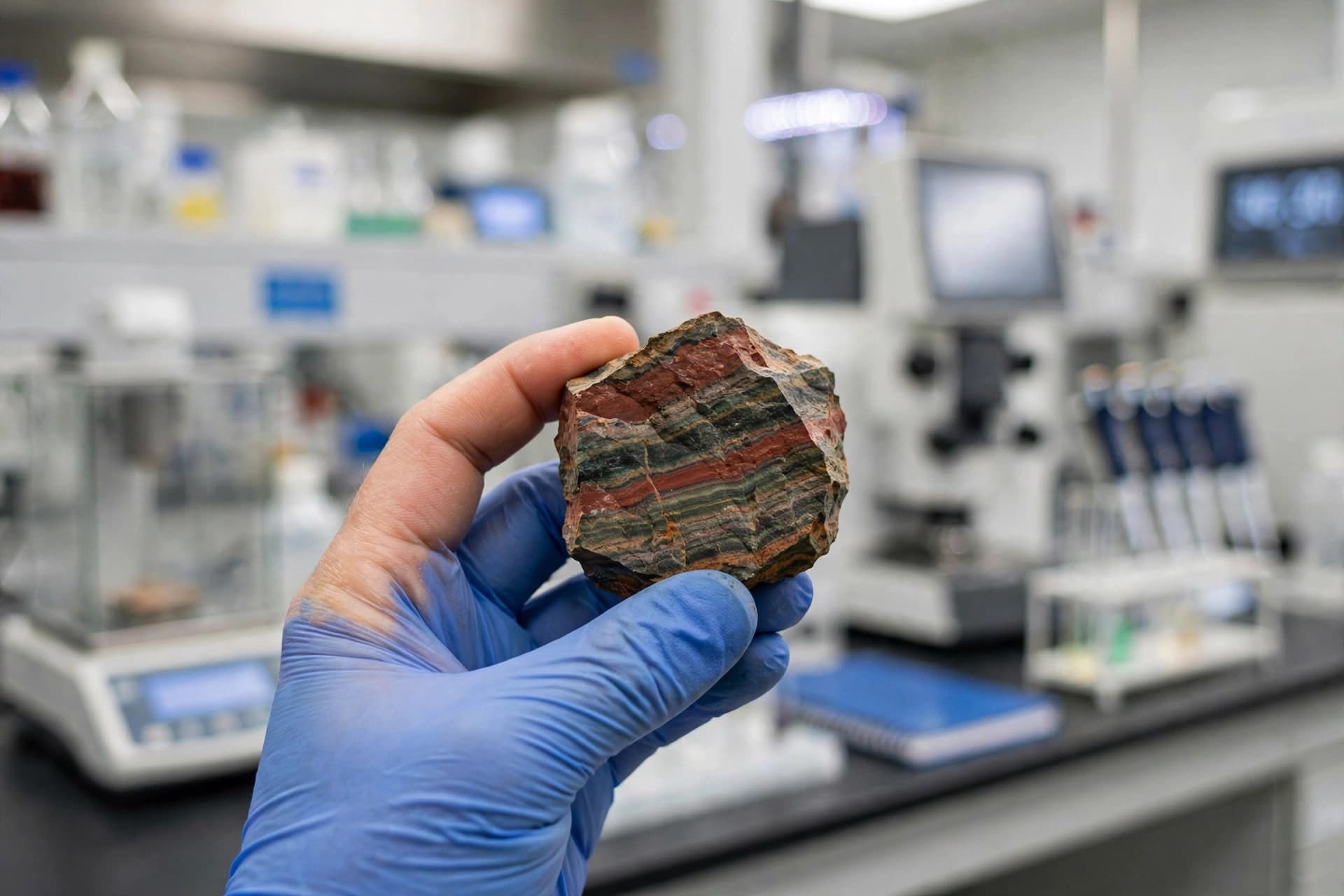
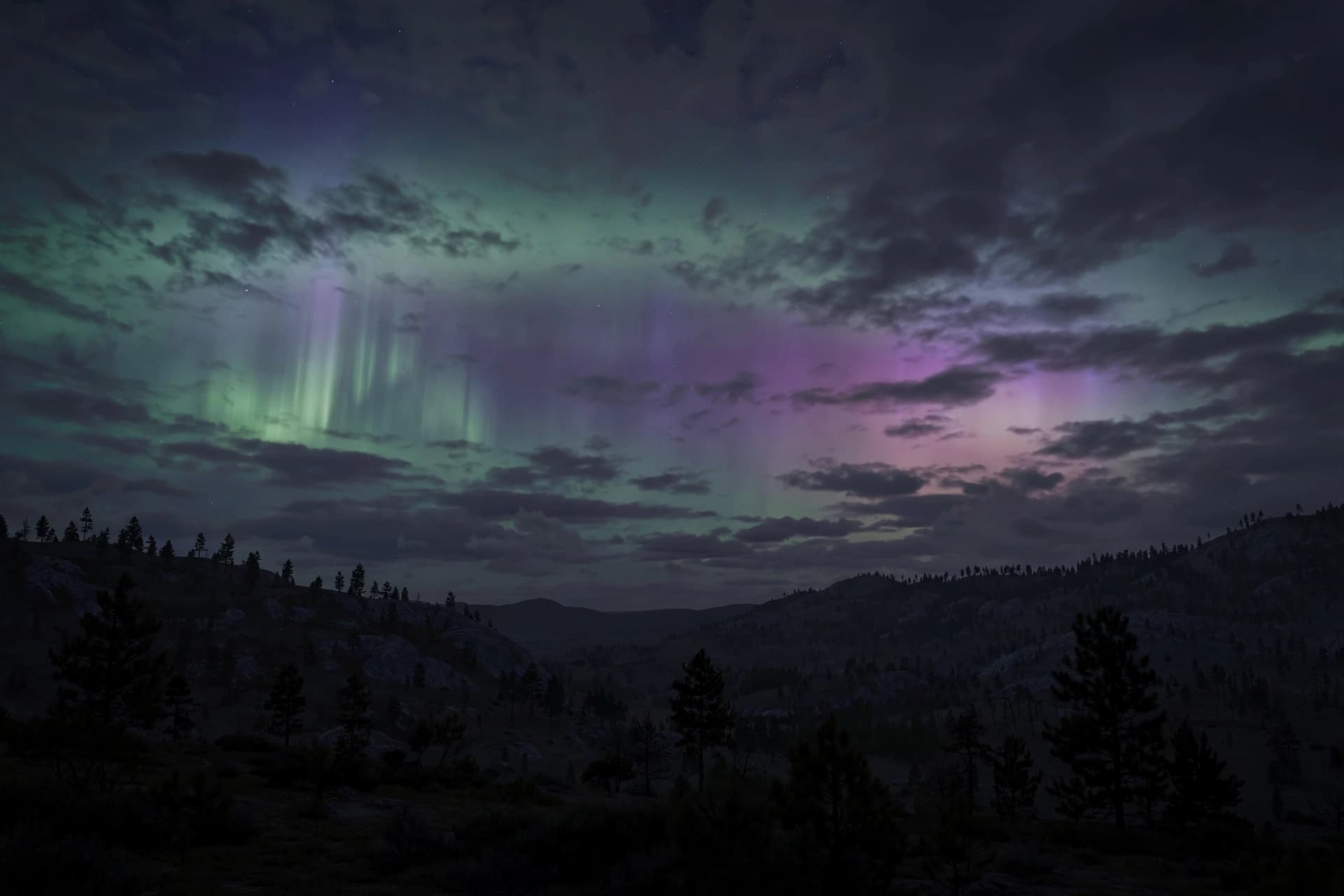
AI Image Disclaimer Visuals are created with AI tools and are not real photographs.
Source Check Here are credible sources supporting the topic:
Nature The Astrophysical Journal Letters NASA European Southern Observatory (ESO) BBC News
Published by Banx Network. This article is part of the Banx decentralized media programme, powered by the BXE token on the XRP Ledger.