There are places where descent feels less like movement through geography than through meaning. In Victoria’s old gold country, where tunnels once followed the hidden logic of ore through ancient stone, a different kind of search has now taken root. One kilometer beneath the surface, in the deep quiet of a former gold mine near Stawell, a new underground dark matter laboratory has opened—turning a landscape once shaped by extraction into one devoted to the universe’s most elusive absence.
The setting could scarcely be more fitting. Gold mines were built on faith in what could not yet be seen: traces in rock, pressure lines, geological hints leading deeper into darkness. The Stawell Underground Physics Laboratory now inherits that same downward instinct, but directs it toward the cosmos itself. Buried beneath more than a thousand meters of rock, the facility is shielded from the relentless rain of cosmic radiation that reaches Earth’s surface. In that rare stillness, scientists can listen for signals so faint they would otherwise be drowned by the ordinary noise of the universe. Recent measurements confirm that the radiation environment matches the world’s leading underground laboratories, clearing the way for full dark matter experiments to begin.
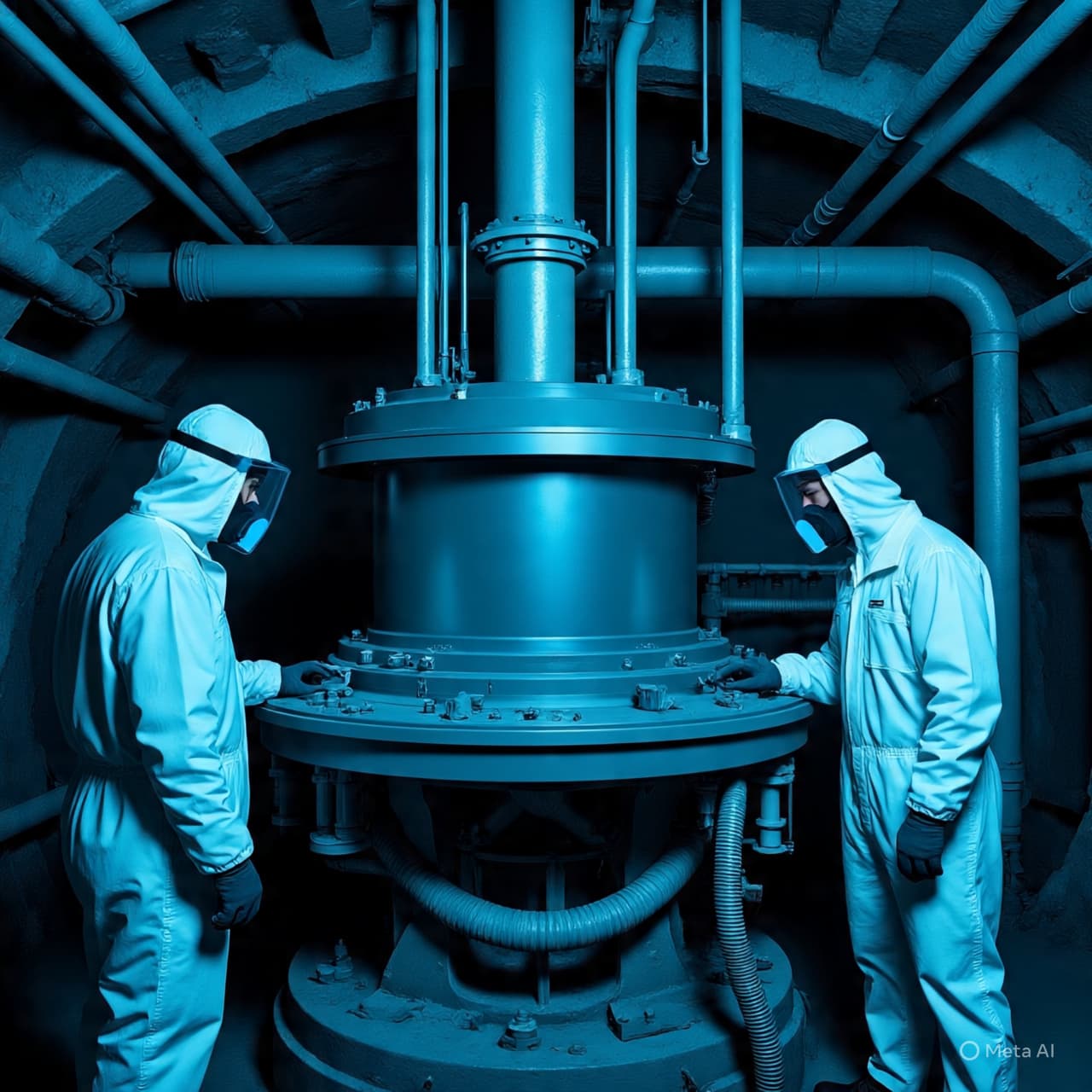
At the center of this first scientific era lies SABRE South, a detector built around ultra-pure sodium iodide crystals submerged in liquid scintillator and wrapped in massive steel shielding. The purpose is as patient as it is profound: to test whether seasonal signals first observed in Italy’s Gran Sasso laboratory truly point to dark matter, or whether they are artifacts of earthly cycles. By placing a twin experiment in the Southern Hemisphere—where seasons reverse—the Stawell team introduces a new kind of certainty into a mystery that has lingered for decades.
What gives the laboratory its deeper resonance is the inversion of its history. A mine once cut to retrieve rare matter from the Earth now becomes a place to seek the matter missing from the universe. The geometry remains familiar—ramps, caverns, steel, stone pressure—but the scale of the question expands beyond geology into cosmology. Dark matter, believed to account for roughly 85 percent of all matter, has never been directly detected. To pursue it requires conditions almost monastic in their isolation: silence from muons, purity in crystal growth, and the patience to distinguish an event that may happen only a handful of times in a year.
There is also something quietly national in the moment. As the Southern Hemisphere’s first deep underground physics laboratory, the Stawell facility places Australia inside a rare global network of ultra-low-background research sites. Its role will likely extend beyond dark matter into quantum science, radiobiology, and precision materials studies, making the former goldfields an unlikely frontier of fundamental physics.
Researchers said the underground laboratory is now scientifically ready for SABRE South’s first major data-taking campaign later this year. If successful, the Stawell experiment could help confirm or refute one of the longest-running dark matter signals in modern physics.
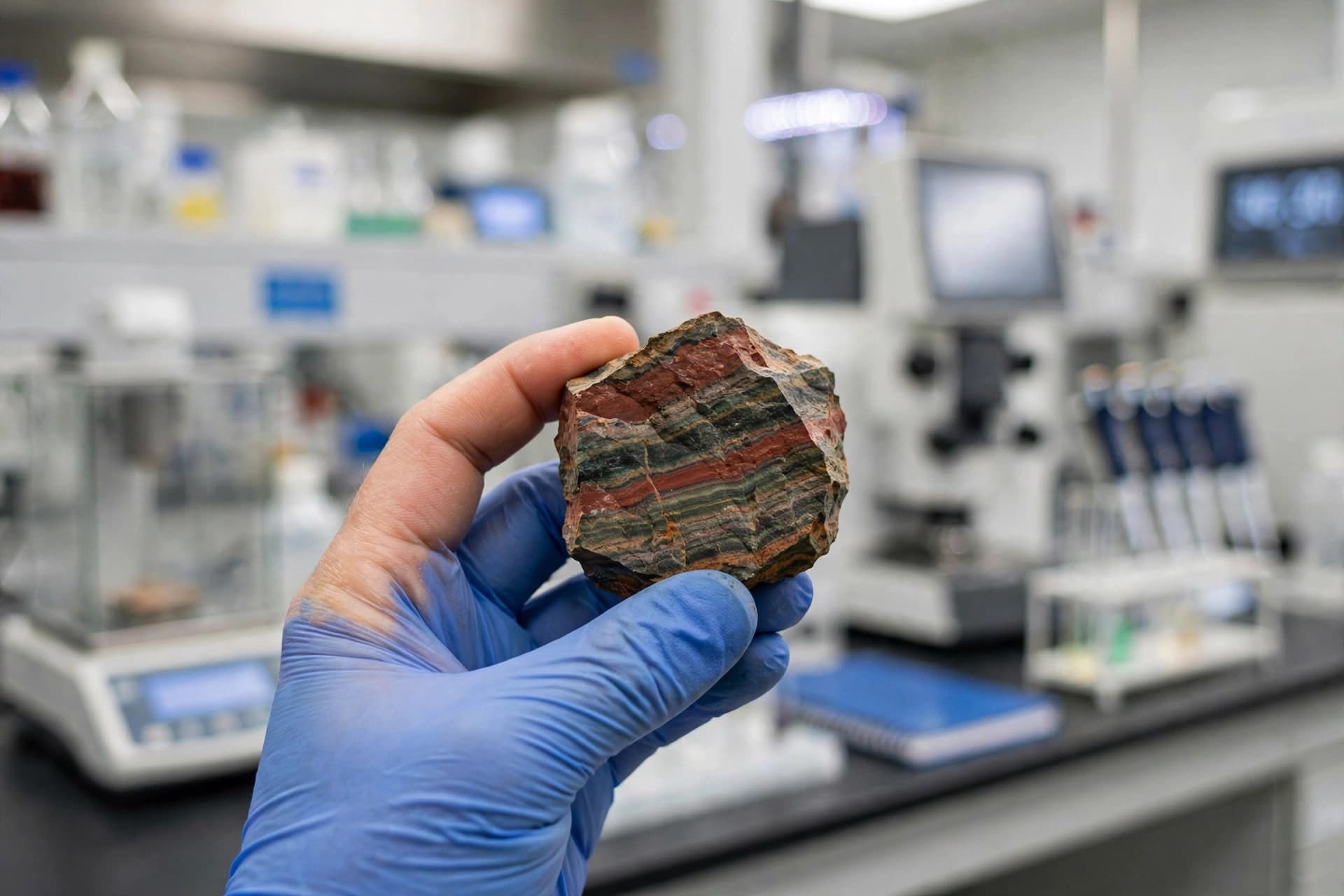
AI Image Disclaimer These visuals are AI-generated conceptual illustrations created to represent the underground physics facility and are not actual photographs of the laboratory.
Source Check (credible coverage available): University of Melbourne, Swinburne University of Technology, ANSTO, ABC News Australia, Phys.org
Published by Banx Network. This article is part of the Banx decentralized media programme, powered by the BXE token on the XRP Ledger.