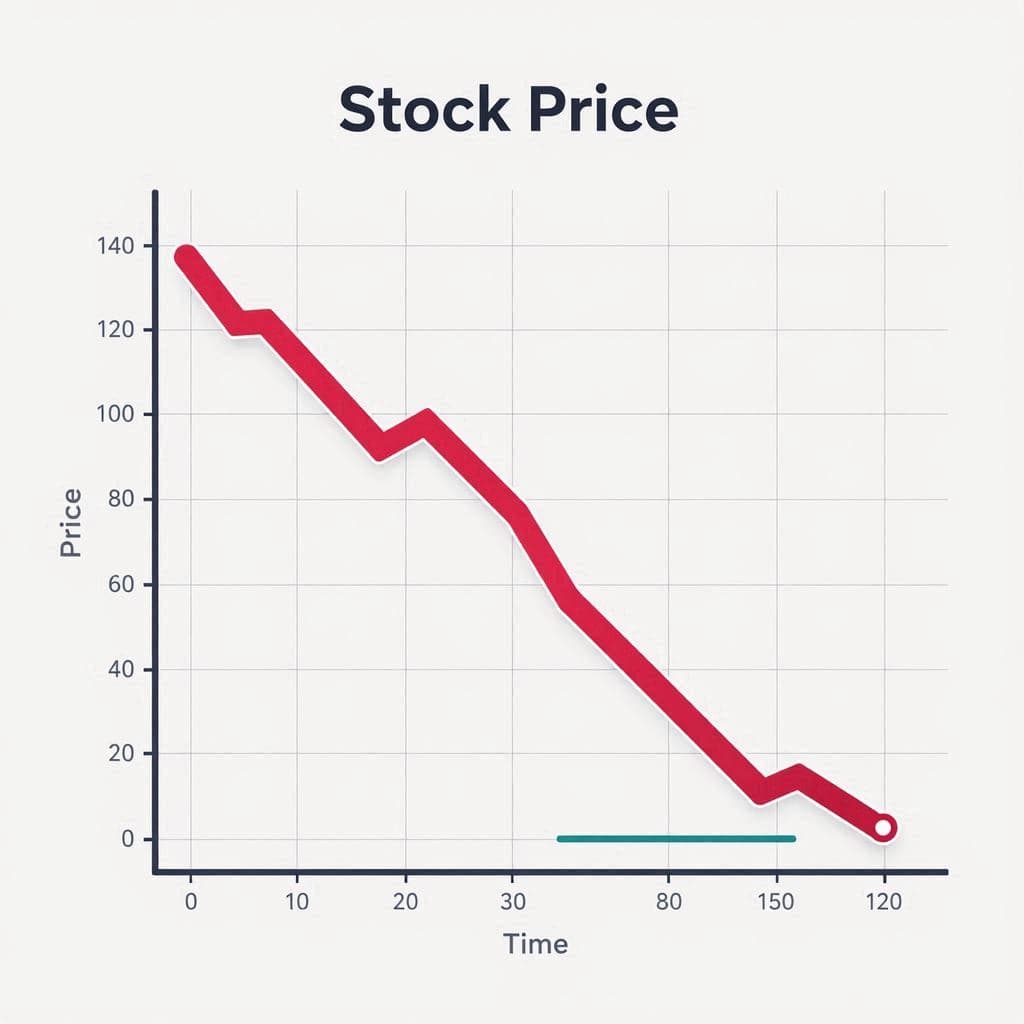
In the volatile world of corporate finance, confidence is a fragile commodity, easily shaken by unexpected news. Recently, IBM shares experienced a dramatic decline of 25%, marking the worst single-day drop in the company’s history. This plunge followed a warning about second-quarter earnings, signaling potential challenges in meeting market expectations. The event is not just a financial statistic; it is a stark reminder of the risks inherent in technological transition and the high stakes of investor sentiment. It invites reflection on how legacy giants navigate change in a rapidly evolving industry.
Body: The earnings warning cited headwinds in key business segments, including consulting and software revenue. For a company that has pivoted toward cloud computing and artificial intelligence, any shortfall in these areas raises concerns about the success of its transformation strategy. Investors, who had priced in strong growth, reacted swiftly to the news, leading to a massive sell-off. The magnitude of the drop reflects the depth of disappointment and the urgency of reassessing IBM’s value proposition.
For employees and stakeholders, the stock crash brings uncertainty and anxiety. Market performance often influences corporate decisions, from hiring to investment in new projects. A sharp decline can trigger cost-cutting measures or strategic shifts, impacting the daily lives of those within the organization. It highlights the interconnectedness of financial markets and workplace stability.
The technology sector is particularly sensitive to earnings surprises, as growth expectations are often high. IBM’s struggle to meet these targets underscores the competitive pressure from rivals like Amazon, Microsoft, and Google. In the race for cloud dominance and AI innovation, staying ahead requires constant adaptation and significant capital expenditure. Any stumble is magnified in the public eye.
Historically, IBM has weathered many storms, reinventing itself from hardware to services to software. This resilience is part of its legacy, but each transition carries risk. The current challenge tests the company’s ability to execute its vision in a crowded and fast-moving market. Success depends on delivering tangible results that justify investor confidence.
Analysts are now reevaluating IBM’s outlook, adjusting price targets and recommendations. Some see the drop as an overreaction, offering a buying opportunity for long-term believers. Others view it as a sign of deeper structural issues. This divergence of opinion creates volatility, as traders navigate conflicting signals. It is a complex landscape for anyone involved in the stock.
Public perception of IBM is also shaped by this event. Once a symbol of stability and reliability, the company now faces questions about its future relevance. Rebuilding trust requires consistent performance and clear communication. Transparency about challenges and plans for overcoming them is essential for restoring confidence.
As the dust settles, the focus will shift to the actual earnings report and management’s guidance. How IBM addresses these short-term setbacks will define its trajectory in the coming quarters. The hope is that strategic adjustments will lead to renewed growth and stability. It is a test of endurance and vision.
Closing: In the end, IBM’s historic stock drop is a cautionary tale about the pressures of modern tech competition. It highlights the need for agility and resilience in the face of market expectations. As the company moves forward, the hope is that it can navigate these challenges and restore value for its shareholders and employees.
AI Image Disclaimer: Visuals accompanying this text are AI-generated conceptualizations intended to depict the themes of financial volatility and corporate strategy.
Sources: Bloomberg CNBC Reuters
Published by Banx Network. This article is part of the Banx decentralized media programme, powered by the BXE token on the XRP Ledger.