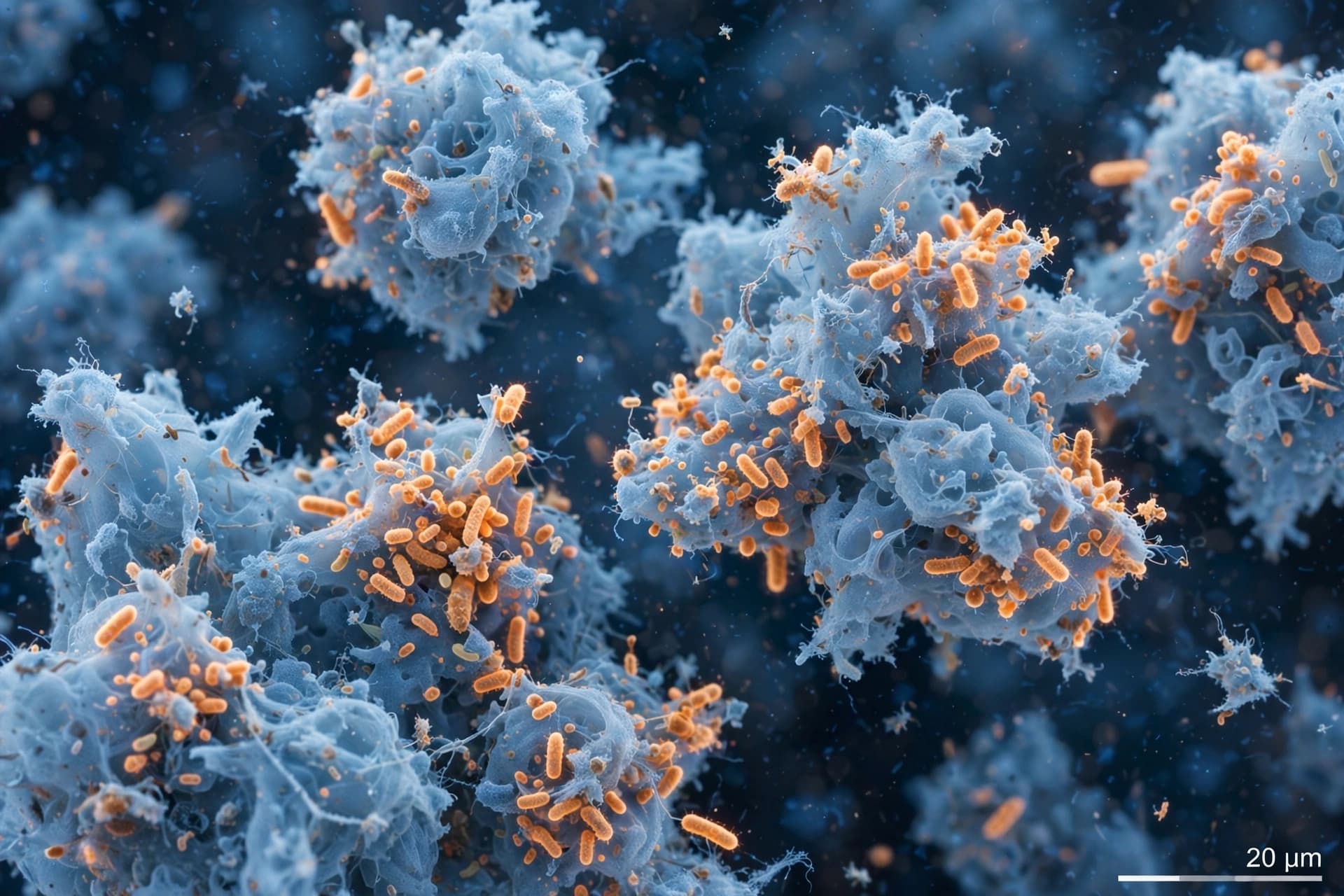
In a discovery that challenges long-held assumptions about cancer treatment, researchers in Japan have identified a naturally occurring bacterium found on the skin of frogs that appears capable of destroying cancer cells with remarkable efficiency — in some cases outperforming conventional chemotherapy agents in laboratory settings.
The bacterium, isolated from amphibians known for their resilient immune systems, produces bioactive compounds that selectively target malignant cells while leaving healthy tissue largely unharmed. This distinction is crucial. Traditional cancer treatments often damage both cancerous and healthy cells, leading to severe side effects. The newly studied compounds, however, appear to act with greater precision.
Laboratory experiments revealed that the bacterium secretes substances capable of disrupting cancer cell membranes and interfering with their ability to replicate. Unlike many chemotherapy drugs that attack all rapidly dividing cells, these natural compounds showed a preference for malignant structures, reducing collateral damage in surrounding healthy cells.
Researchers believe the key lies in evolutionary biology. Amphibians live in microbe-rich environments and have developed sophisticated chemical defenses to survive infections. Over millions of years, their symbiotic bacteria evolved mechanisms to neutralize threats efficiently — mechanisms that modern medicine is only beginning to understand.
While the findings are still in early experimental stages, the implications are significant. If refined and safely adapted, such biological agents could one day form the basis of targeted cancer therapies with fewer side effects than current treatments. Scientists caution, however, that extensive testing, clinical trials, and regulatory evaluation are necessary before any medical application becomes possible.
Rather than replacing existing cancer treatments, the discovery may open a complementary path — one that draws on nature’s own molecular strategies to fight disease. It also highlights a broader lesson: some of the most powerful medical innovations may already exist, quietly, within the living world around us.
Published by Banx Network. This article is part of the Banx decentralized media programme, powered by the BXE token on the XRP Ledger.