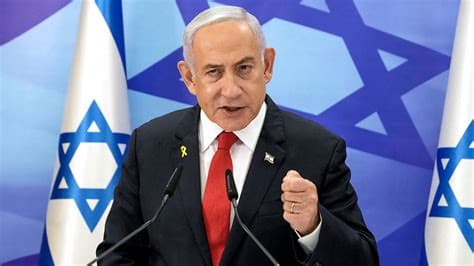
In the aftermath of an unprecedented U.S. military operation that saw Venezuelan President Nicolás Maduro seized and flown to New York to face federal charges, another ripple of geopolitical tension spread across the Western Hemisphere this week. On Sunday, U.S. President Donald Trump openly floated the possibility of a military operation against neighboring Colombia, marking a striking escalation in rhetoric that has drawn intense global attention.
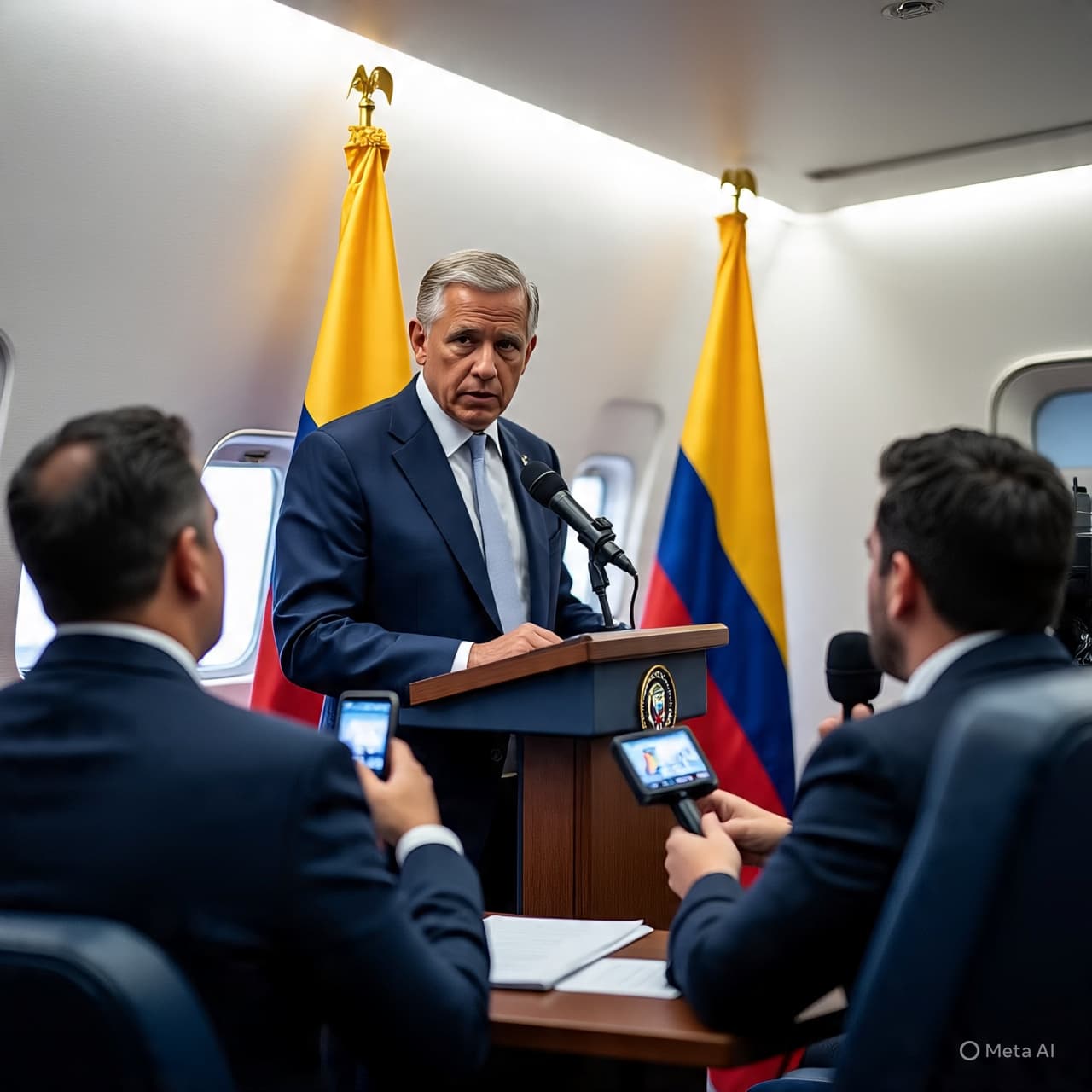
Speaking to reporters aboard Air Force One, Trump described Colombia’s government as “very sick,” explicitly criticizing Colombian President Gustavo Petro and repeatedly tying his comments to concerns about drug trafficking. When asked whether a U.S. military operation targeting Colombia was under consideration, Trump replied simply: “It sounds good to me,” a response that underscored the seriousness with which the idea is now being discussed.
The comment follows the dramatic U.S. raid in Venezuela that captured Maduro — an operation that already unsettled regional capitals and prompted condemnation from governments across Latin America and beyond. Colombia, a longtime U.S. partner in counter-narcotics efforts, has condemned the Venezuelan intervention as a breach of sovereignty and a threat to regional stability. Colombian leadership has appealed to international bodies to de-escalate tensions while bolstering defensive posture along the Venezuelan border in response to the crisis.
Trump’s remarks did not include details on what form a hypothetical operation might take, how it would be justified under international law, or under what conditions it might proceed — leaving allies and adversaries alike to parse ambiguous language for signs of policy intent. But the very suggestion of military action against Bogotá represents a sharp turn from decades of cooperation, stressing alliances predicated on joint efforts against drug cartels and organized crime.
The broader context for this rhetoric is Washington’s stated aim of combating the flow of illicit drugs into the United States — a central part of Trump’s foreign policy narrative. In comments linked to the Venezuela operation, the administration accused Caracas of facilitating cocaine trafficking, and Trump has extended similar critiques to Bogotá in recent months, asserting that Colombian authorities have not done enough to stem the trade.
International reactions have been swift. Latin American leaders and regional blocs have expressed concern over potential military adventurism and its implications for sovereignty and stability. Analysts say that while Trump’s remarks are likely calibrated in part for domestic political audiences, they also reflect the administration’s willingness to use forceful language — and perhaps force itself — in pursuit of policy goals.
As diplomats weigh their next steps and defense planners monitor developments, the possibility of U.S. action against a neighboring democracy has injected uncertainty into hemispheric relations. Whether the rhetoric will translate into concrete policy remains unclear. For now, the world watches as Washington’s language sharpens an already tense chapter in Latin American geopolitics.
AI Image Disclaimer Illustrations were produced with AI and serve as conceptual depictions, not real photographs.
Sources Reuters Al Jazeera CBS News Economic Times The Guardian
Published by Banx Network. This article is part of the Banx decentralized media programme, powered by the BXE token on the XRP Ledger.