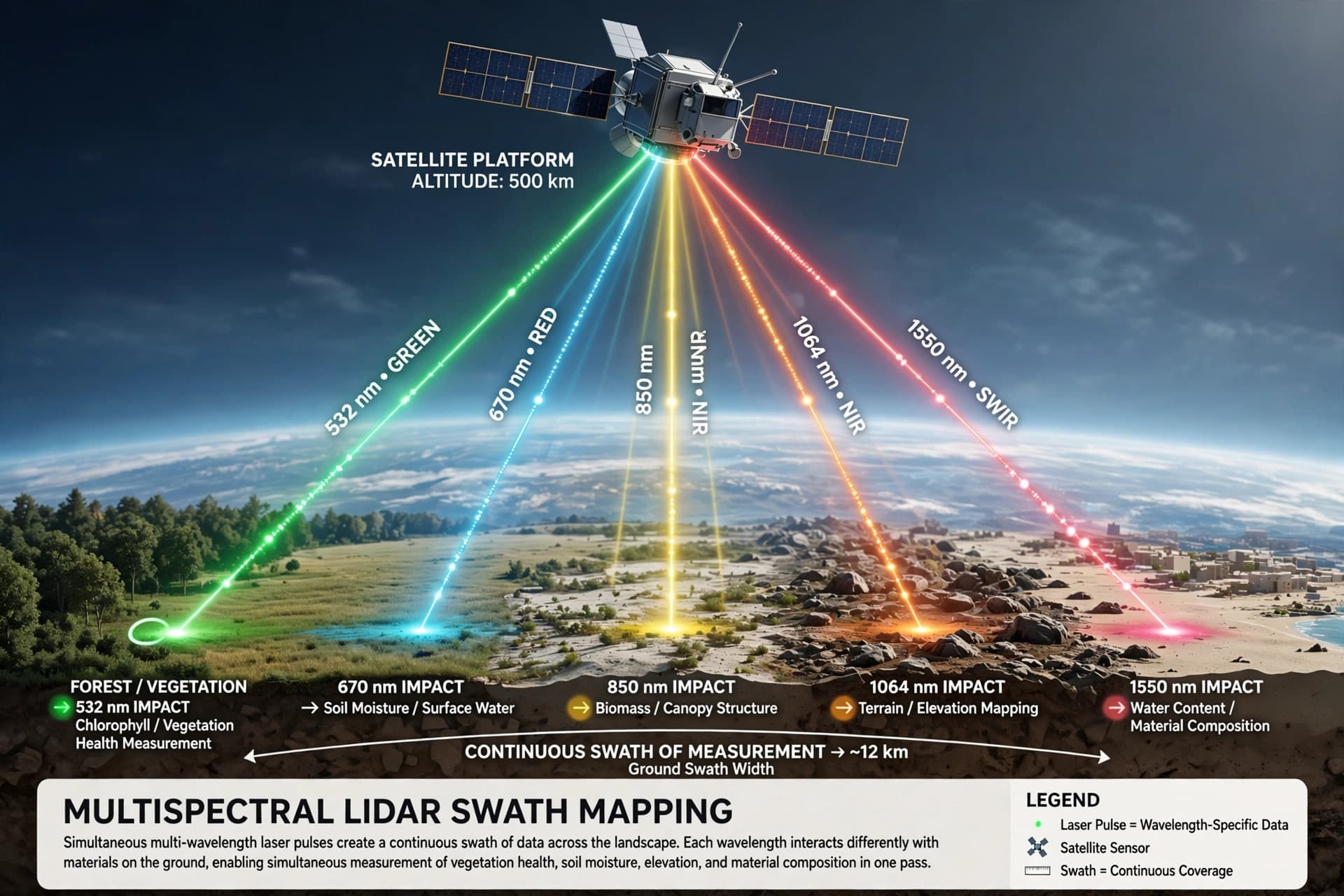
In the vast, arid expanses of the desert, where the sky stretches endlessly and silence reigns, a new sentinel is rising to listen to the cosmos. As humanity’s reach into space extends further and faster, the volume of data returning to Earth has grown exponentially. From distant planets to low-Earth orbit satellites, our robotic envoys are sending back a deluge of information that requires ever-more sophisticated methods of capture. NASA’s construction of a giant antenna in the desert is a response to this surge, a physical manifestation of our growing curiosity and our need to stay connected with the frontier.
The Deep Space Network (DSN), NASA’s global array of radio antennas, has long been the backbone of space communication. However, with the proliferation of missions to Mars, the Moon, and beyond, the existing infrastructure is facing unprecedented demand. The new antenna, part of an expansion effort, is designed to handle higher data rates and more simultaneous connections. Its location in the desert is strategic, offering minimal radio frequency interference and clear lines of sight to the sky, essential for maintaining crisp signals from billions of miles away.
This expansion is not merely about adding capacity; it is about future-proofing our exploration capabilities. Upcoming missions, including those aimed at establishing a sustained presence on the Moon and sending humans to Mars, will require robust and reliable communication links. The new antenna will support these ambitious goals, ensuring that astronauts and scientists can transmit high-definition video, scientific data, and critical telemetry without bottleneck. It is a foundational investment in the next era of space exploration.
The engineering behind such a structure is a marvel of precision. The dish must be able to track moving targets across the sky with extreme accuracy, adjusting for the rotation of the Earth and the motion of spacecraft. Its surface must remain perfectly shaped despite temperature fluctuations and wind, ensuring that every bit of data is captured efficiently. Technicians and engineers work tirelessly to maintain this delicate balance, bridging the gap between terrestrial stability and cosmic distance.
Moreover, the desert environment presents its own challenges and advantages. The dry air reduces signal attenuation, allowing for clearer reception of faint signals from deep space. However, the harsh conditions also require durable materials and rigorous maintenance protocols. The construction process itself is a testament to human ingenuity, adapting industrial techniques to remote and rugged terrains. It is a blend of heavy machinery and delicate electronics, working in harmony to build a window to the universe.
The increase in space missions is driven by both government agencies and private companies, creating a crowded orbital environment. This democratization of space access means that NASA must coordinate with other entities to manage spectrum usage and avoid interference. The new antenna will play a role in this collaborative ecosystem, supporting not just NASA missions but potentially contributing to a broader network of space communication. It reflects a shift toward shared infrastructure and international cooperation.
For the public, this development may seem abstract, yet it underpins the discoveries we read about daily. Every image of a Martian landscape, every measurement of a distant asteroid, relies on these ground-based ears. The antenna is a silent partner in scientific achievement, enabling the flow of knowledge that expands our understanding of the solar system. It reminds us that exploration is not just about going out, but also about bringing information back.
As we look to the stars, the infrastructure we build on Earth becomes increasingly vital. The desert antenna is a symbol of our commitment to exploration, a promise that we will continue to listen, learn, and connect. It stands as a beacon of technological progress, ready to receive the whispers of the cosmos and translate them into human understanding.
The construction of NASA’s new desert antenna marks a significant step in accommodating the growing pace of space exploration. It ensures that our connection to the cosmos remains strong, supporting future discoveries and missions. Let us appreciate the grounded efforts that enable our celestial ambitions.
AI Image Disclaimer: The visual representations associated with this article are AI-generated interpretations intended for illustrative purposes only.
Sources: NASA Jet Propulsion Laboratory SpaceNews Scientific American
Published by Banx Network. This article is part of the Banx decentralized media programme, powered by the BXE token on the XRP Ledger.