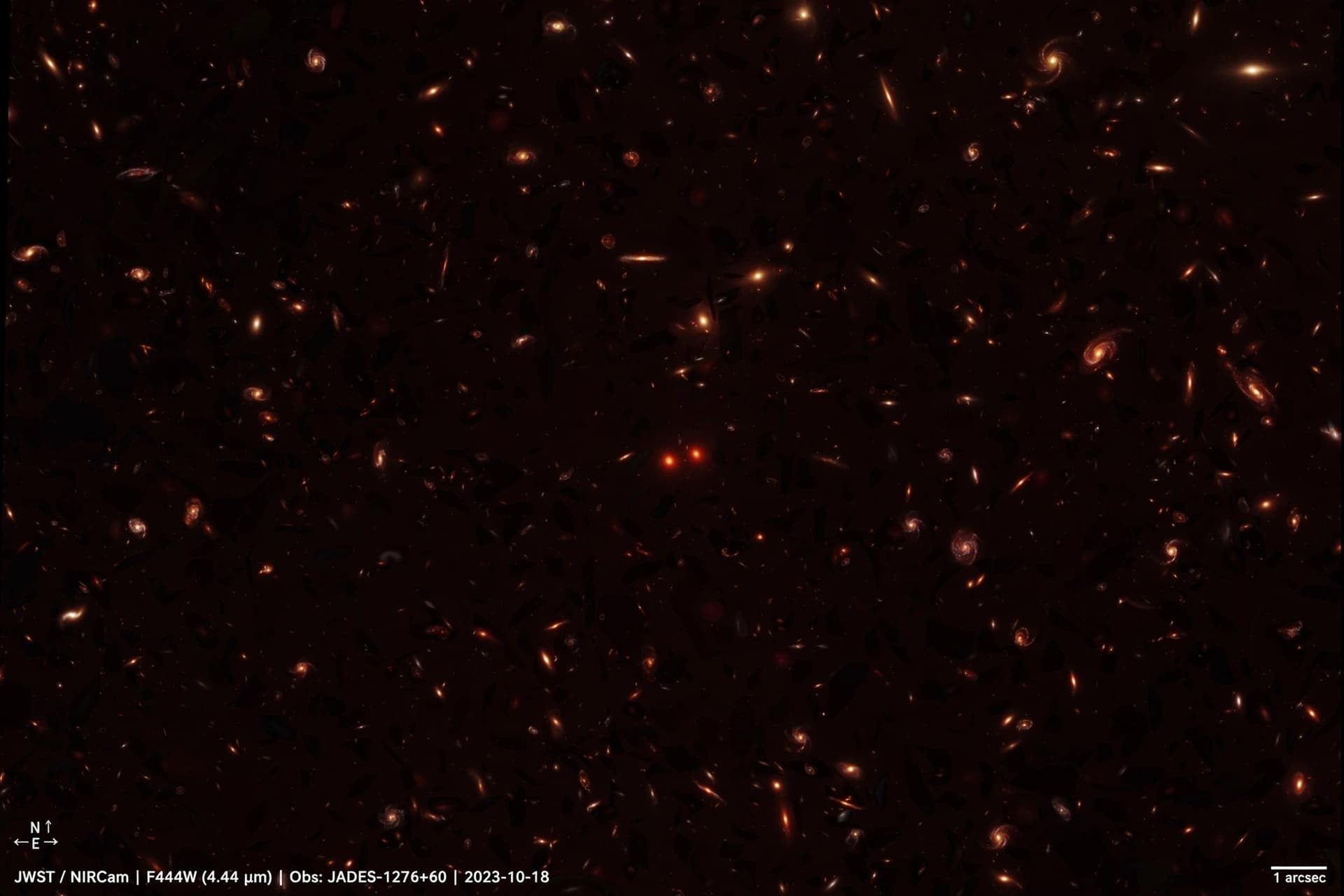
In the quiet expanses between shining stars, there are places where the cosmos whispers rather than shouts remnants of ancient eras when galaxies were just fledgling dreams. A recent discovery, given the whimsical name Cloud-9, invites us into one such silent sanctuary. Like a lost verse half-remembered, this celestial object does not blaze with light, yet it holds the promise of answering some of astronomy’s deepest riddles.
Astronomers have long gazed at the tapestry of galaxies and wondered not only how they formed, but what might lie in the spaces between them. Until now, our telescopes have primarily traced the story of light stars, dust, and glowing gas that signal their presence across cosmic distances. But what about what didn’t shine? What about the structures that were never bright enough to become what we traditionally call a galaxy? Cloud-9 appears to be one of those elusive structures, a starless cloud dominated by dark matter and neutral hydrogen gas a relic from a time when our universe was young and its structures still shaping themselves.
Using sensitive radio observations and the unparalleled clarity of the Hubble Space Telescope’s Advanced Camera for Surveys, researchers have determined that this object — discovered near the spiral galaxy Messier 94 — contains a vast swath of hydrogen gas but no stars at all. Its specter-like nature is not a failure, but rather a testament to a threshold just missed: Cloud-9 simply never gathered enough mass enough pressure and gravitational pull to ignite star formation. In this sense, it is what some theorists have lovingly described as a Reionization-Limited H I Cloud (RELHIC), long predicted but only now confirmed.
Cloud-9’s quiet presence tells a deeper cosmic tale. Dark matter, an invisible substance thought to make up most of the universe’s mass, influences galaxies through gravity but never reveals itself directly in light. Objects like Cloud-9 offer rare glimpses of this shadow world, where gravity holds gas together but light never bursts forth. By studying such starless clouds, astronomers can trace how early structures formed and how dark matter shaped the evolution of the cosmos.
We often think of discovery in terms of brilliance new stars, brilliant galaxies, flashes of energetic light. But sometimes the most profound teachers are the places where light never emerged. In their silence, objects like Cloud-9 hold lessons about thresholds and balance, about the tension between matter and void, and about the unseen forces that shaped everything we can see.
As research continues and telescopes scan wider and deeper, Cloud-9 reminds us that the universe still has quiet corners awaiting exploration. In those quiet corners may lie answers not just to how galaxies form, but to why the universe looks the way it does.
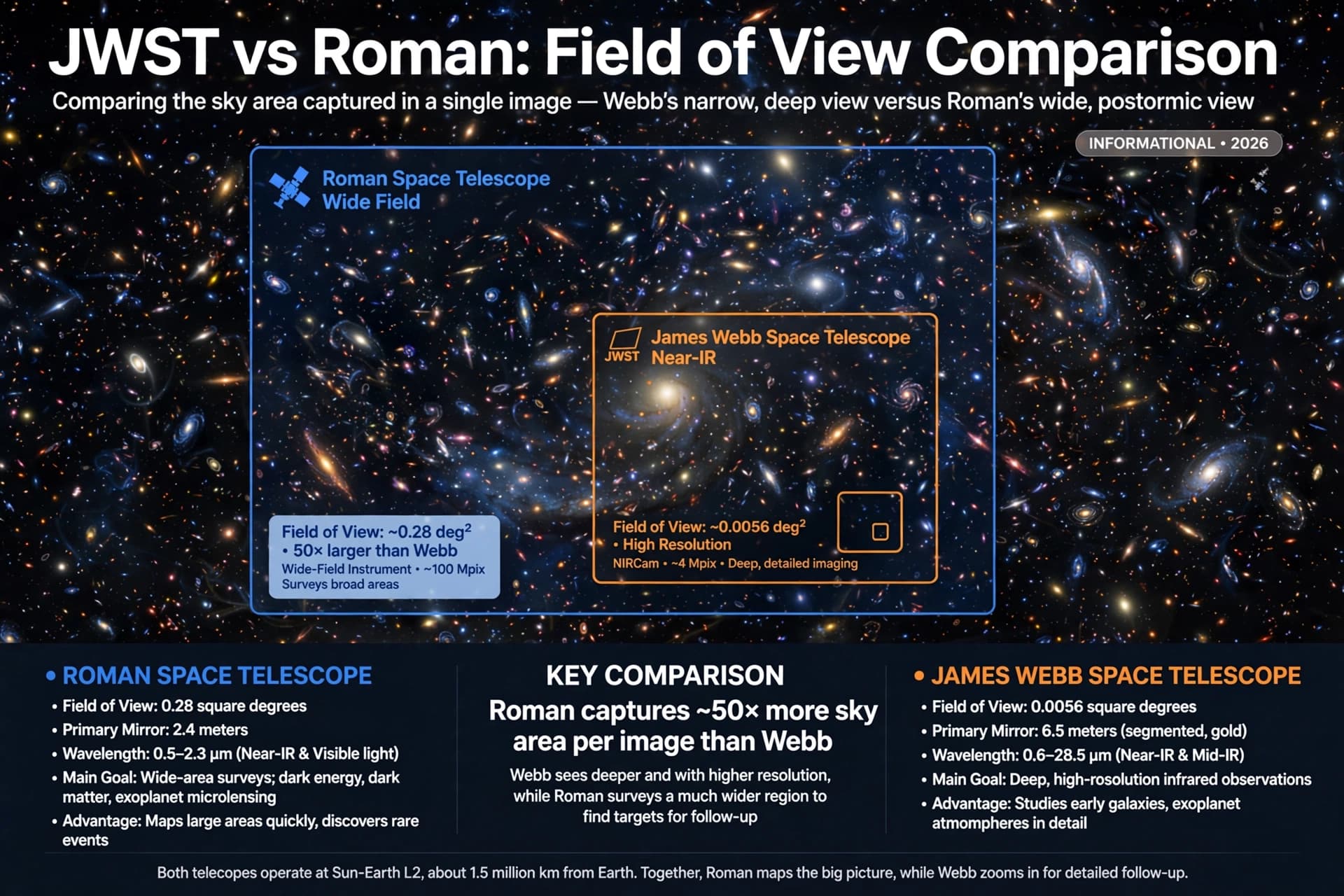
AI Image Disclaimer “Visuals are created with AI tools and are not real photographs.”
Sources:
Live Science NASA/ESA (Hubble official press release) Space.com Sky & Telescope CNN
Published by Banx Network. This article is part of the Banx decentralized media programme, powered by the BXE token on the XRP Ledger.