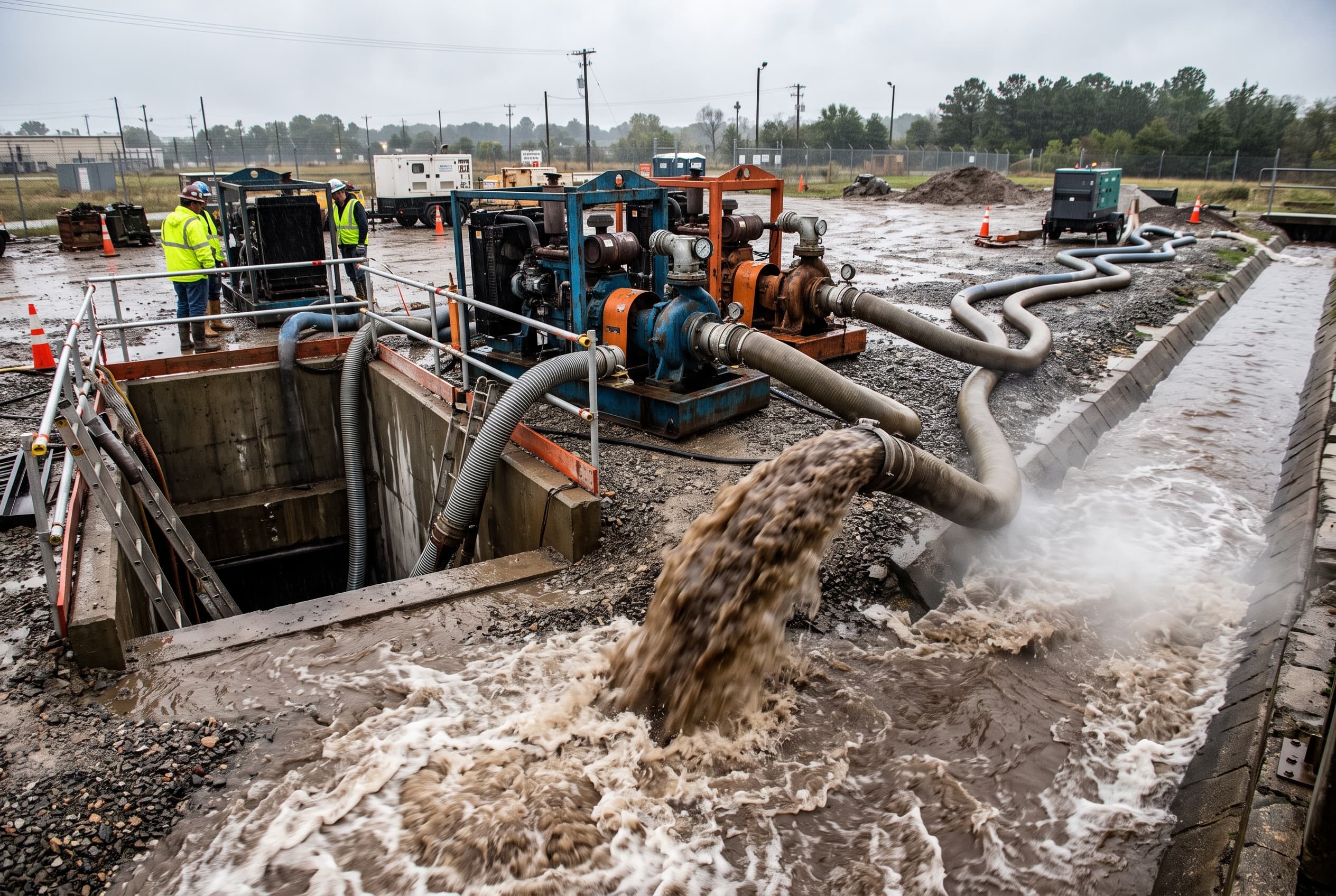
The Grand Canyon is a place of profound silence, where the vastness of the landscape absorbs sound and time seems to stand still. Yet, nature can break this tranquility with sudden, terrifying force. An Arizona congressman recently experienced this firsthand when a flash flood roared through the canyon, producing a sound he described as akin to a freight train crash. This visceral description captures the raw power of water in a confined space, reminding us that even in familiar places, the natural world commands respect and caution.
Flash floods in the Southwest are a known hazard, often triggered by distant thunderstorms that send walls of water down dry washes and narrow canyons. The congressman was visiting the area when the weather shifted rapidly, transforming a calm day into a life-threatening situation. The "freight train" analogy is commonly used by survivors of flash floods to describe the deafening roar of debris-laden water moving at high speed, a sound that signals immediate danger.
The incident highlights the unpredictability of desert weather. Rain falling miles away can funnel into steep terrain, gaining momentum and volume as it travels. For those in the canyon bottom, there is often little warning before the water arrives. This phenomenon underscores the importance of weather awareness and the need for visitors to understand the risks associated with slot canyons and riverbeds.
Emergency responders and park rangers play a crucial role in educating the public about these dangers. Signs and brochures warn against camping in dry washes and advise checking weather forecasts for upstream areas. However, the sheer force of nature can sometimes outpace human preparation. The congressman’s experience serves as a high-profile reminder of these risks, potentially increasing awareness among tourists who may underestimate the environment.
The geological features of the Grand Canyon contribute to the intensity of these events. Steep walls channel water efficiently, while loose rock and sediment add weight and destructive power to the flow. This combination creates a formidable force that can reshape the landscape in minutes. Understanding these dynamics helps scientists predict flood paths and improve safety protocols for visitors.
For the congressman, the event was a personal brush with mortality that likely influenced his perspective on environmental issues. Experiencing the power of nature firsthand can foster a deeper appreciation for conservation and climate resilience. It transforms abstract policy discussions into tangible realities, highlighting the need for sustainable practices that respect natural limits.
Local communities and tourism operators are also affected by such events. Floods can damage trails, campsites, and infrastructure, leading to closures and economic losses. Recovery efforts require coordination between federal, state, and local entities to restore access and ensure safety. The resilience of the region depends on this collaborative approach to management and adaptation.
As climate change alters precipitation patterns, the frequency and intensity of extreme weather events may increase. Preparing for this future requires ongoing research, investment in infrastructure, and public education. The congressman’s story is a microcosm of the broader challenge facing arid regions: how to live safely and sustainably in a dynamic environment.
An Arizona congressman’s encounter with a flash flood in the Grand Canyon, marked by a sound like a crashing freight train, underscores the unpredictable power of nature. The incident highlights the importance of weather awareness and safety precautions for visitors to the region. It serves as a poignant reminder of the need to respect the natural world.
AI Image Disclaimer: The images associated with this article are AI-generated visualizations intended to evoke the power of flash floods and the grandeur of the canyon, using dramatic but respectful imagery.
Sources: National Park Service Local Arizona News Outlets Congressional Press Releases
Published by Banx Network. This article is part of the Banx decentralized media programme, powered by the BXE token on the XRP Ledger.