The borderlands between Pakistan and Afghanistan have long carried the weight of history—rugged, restless, and fraught with mistrust. Yet rarely has the rhetoric felt so perilous. Pakistan’s Defence Minister issued a grave warning, declaring that “Afghanistan wants peace, but failure to reach a deal means open war.”
The statement underscores mounting tensions between Islamabad and Kabul as cross-border attacks, militant incursions, and diplomatic breakdowns test the fragile peace established after the Taliban’s return to power in 2021. Pakistan accuses militant groups, particularly the Tehrik-i-Taliban Pakistan (TTP), of using Afghan territory as a staging ground for assaults inside Pakistan’s frontier provinces. Kabul, in turn, rejects the charge, claiming it has contained such factions and blames Pakistan for internal instability.
Behind the rhetoric lies a regional calculus both sides know too well. Pakistan has long viewed Afghanistan as its strategic buffer, while the Taliban’s rule has reshaped regional alignments—from trade routes and border control to intelligence cooperation. But as attacks on Pakistani security forces intensify, public patience in Islamabad wears thin. Officials now speak less of restraint and more of “action if provoked.”
Analysts say the defence minister’s comment represents a sharp escalation in tone, likely intended as both warning and leverage. Pakistan’s military has conducted cross-border strikes in the past, but an open conflict would risk destabilizing a region already stretched by economic hardship and refugee flows. Still, both governments face domestic pressures that make compromise difficult.
The possibility of peace remains—diplomatic channels continue through backdoor intermediaries—but the threat of confrontation now hangs visibly over the frontier. For the people living along it, that tension is no abstraction; it’s the echo of past wars returning to their doorstep.
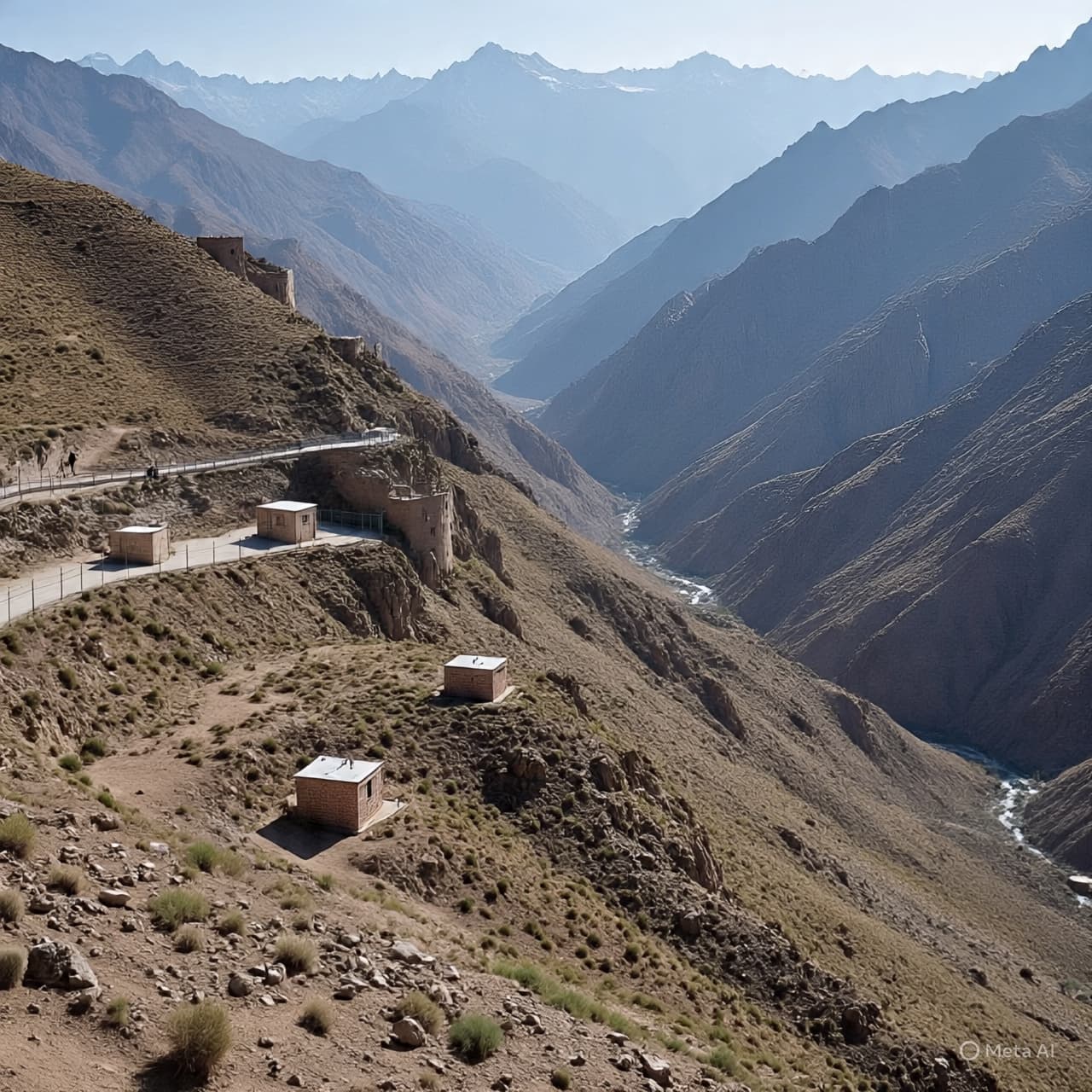
AI image disclaimer: Images accompanying this article may include AI-generated editorial illustrations for visualization purposes only.
Sources: Reuters Al Jazeera
Published by Banx Network. This article is part of the Banx decentralized media programme, powered by the BXE token on the XRP Ledger.