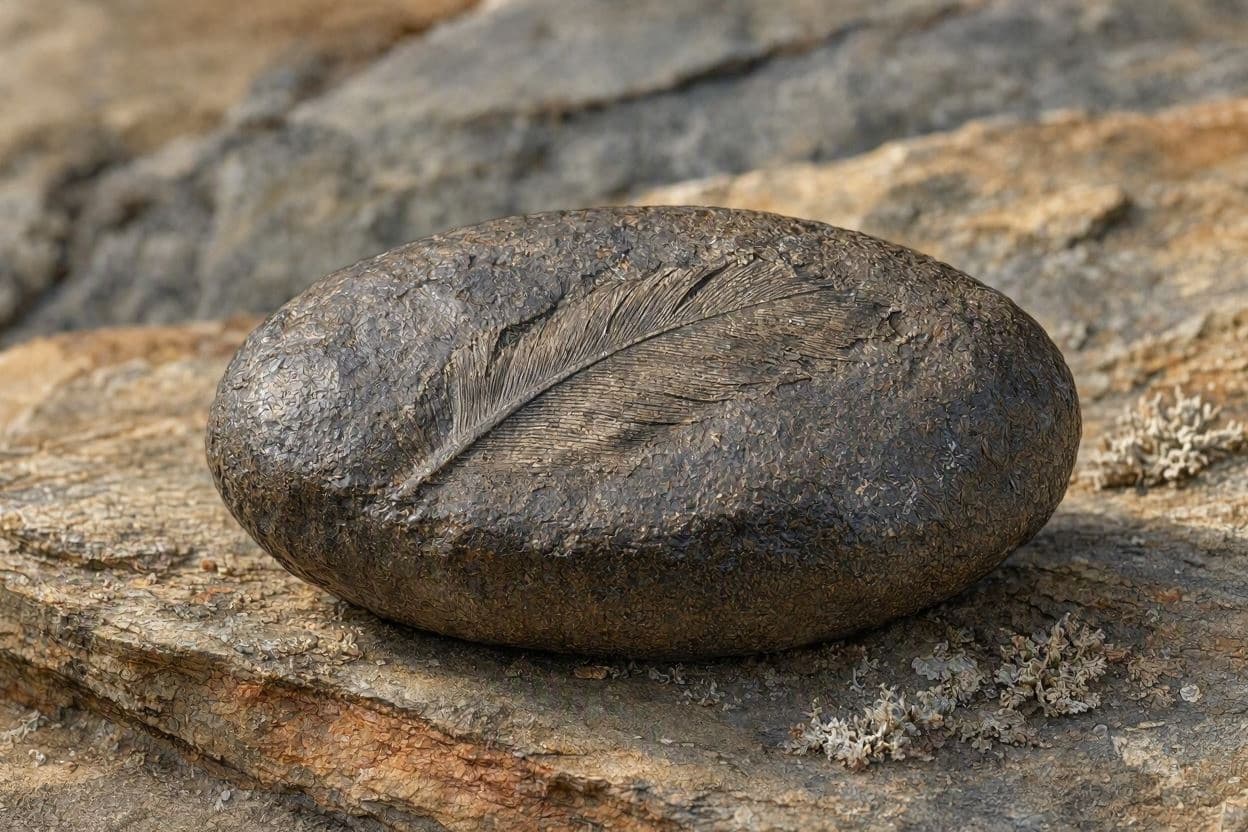
In the annals of paleontology, some of the most profound insights come from the most unlikely places. A recent discovery involving a 66-million-year-old feather preserved in fossilized dinosaur dung, or coprolite, has shed new light on the catastrophic event that ended the reign of the dinosaurs. This tiny fragment, belonging to a bird that did not survive the asteroid impact, offers a poignant contrast to those that did, helping scientists understand the factors that determined survival in the aftermath of global devastation.
The coprolite, likely produced by a large theropod dinosaur, contains evidence of the diet and environment of the Late Cretaceous period. The feather, identified as belonging to a non-avian bird, provides rare soft-tissue evidence from this critical time. By analyzing its structure and isotopic composition, researchers can infer the type of habitat the bird inhabited and its ecological role. This information is crucial for reconstructing the ecosystems that existed just before the mass extinction.
The asteroid impact 66 million years ago caused widespread destruction, blocking sunlight and collapsing food chains. Yet, some bird lineages survived, eventually evolving into the diverse array of species we see today. The key to their survival may lie in their diet and behavior. Birds that could eat seeds or detritus, rather than relying on insects or plants that disappeared, had a better chance of enduring the initial aftermath. The feather in the coprolite helps identify which types of birds were present and vulnerable.
This discovery supports the hypothesis that ground-dwelling, seed-eating birds were more likely to survive than arboreal or insectivorous species. The fossil record shows a shift in bird diversity after the extinction, with surviving lineages exhibiting traits suited to a changed world. The feather serves as a data point in this larger narrative, illustrating the selective pressures that shaped modern avian evolution. It is a tangible link to a pivotal moment in Earth’s history.
Furthermore, the preservation of the feather in dung highlights the importance of trace fossils. While bones and teeth are more commonly studied, coprolites can contain delicate materials that would otherwise decompose. This find encourages paleontologists to look beyond traditional fossils, recognizing the value of waste products in preserving biological history. It expands the toolkit available for reconstructing ancient ecosystems.
The research also underscores the interconnectedness of life. The dinosaur that produced the coprolite was part of the same ecosystem as the bird that lost the feather. Their fates were linked, yet their outcomes differed. By studying both predator and prey, scientists can build a more complete picture of the food web and how it responded to environmental stress. This holistic approach is essential for understanding mass extinctions.
As we face our own environmental challenges, the story of the K-Pg extinction offers lessons in resilience and adaptation. It reminds us that life is fragile but also remarkably persistent. The birds that survived did so because of specific traits that allowed them to cope with change. Understanding these traits can inform conservation efforts today, helping us protect species that are vulnerable to current climate shifts.
The 66-million-year-old feather is more than just a fossil; it is a symbol of loss and survival. It invites us to reflect on the randomness of extinction and the importance of biodiversity. In its delicate structure, we see the history of life on Earth, written in the smallest of details.
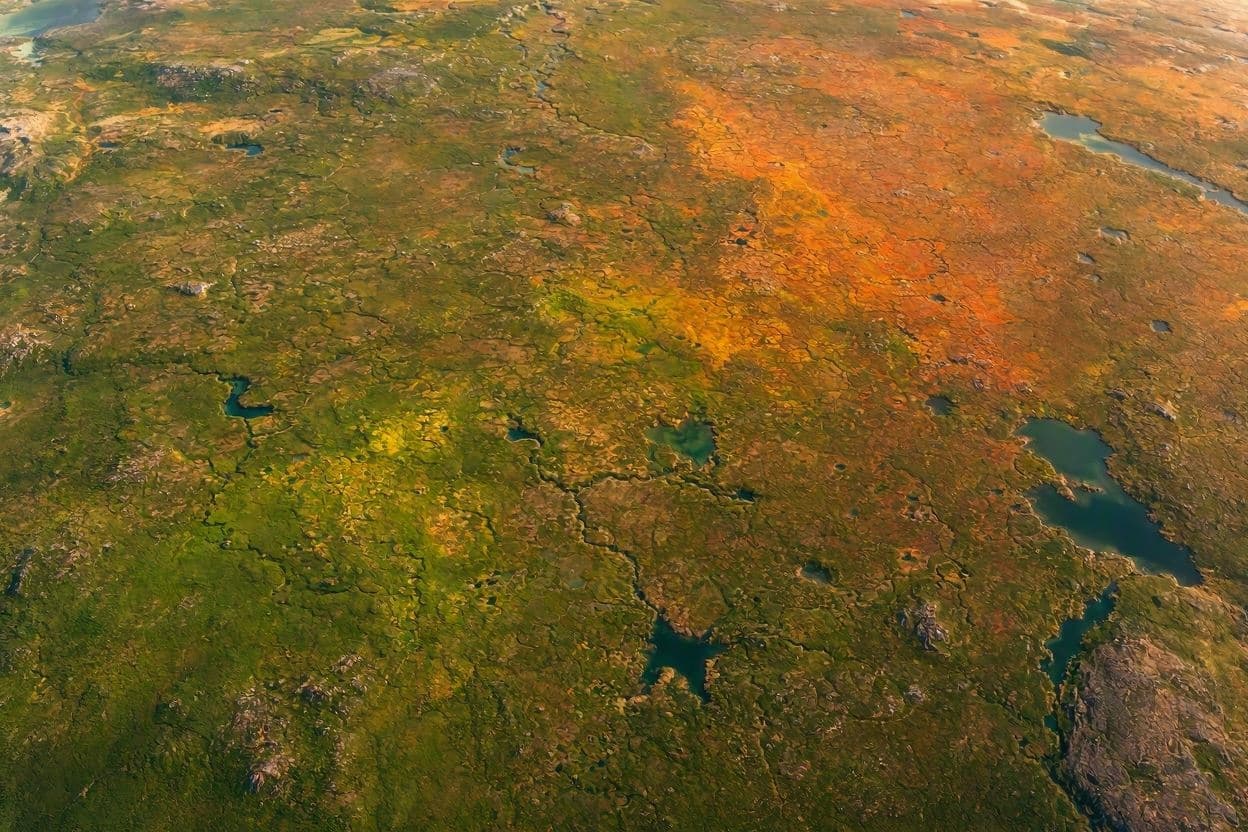
AI Image Disclaimer: The visual aids included here are AI-generated illustrations of the fossil context and are not actual photographs of the coprolite or feather.
Sources: Scientific Reports Nature Ecology & Evolution Live Science
Published by Banx Network. This article is part of the Banx decentralized media programme, powered by the BXE token on the XRP Ledger.