Some lives are measured not by the noise they made but by the quiet dignity with which they moved through the world. Gordon Johncock, who twice conquered the Indianapolis 500 and then returned to the Michigan soil he loved, was such a man—a driver who let his right foot do most of the talking.
Johncock died Monday at his home in South Branch, Michigan, from natural causes, his family confirmed. He was 90 years old. His passing closes a chapter of American motorsports that belonged to an era of flannel shirts, farming roots, and drivers who raced hard and lived simply.
His first Indianapolis 500 victory in 1973 was a triumph shadowed by tragedy. The month of May that year was marred by rain and two horrific crashes that claimed the lives of drivers Art Pollard and Swede Savage, Johncock's own teammate at Patrick Racing. The race was delayed by two days and finally halted after 133 of 200 laps due to rain and darkness, with Johncock declared the winner. Yet he never truly celebrated. Instead of Victory Lane, he went to Methodist Hospital to see Savage, who was badly burned and would die weeks later. His victory dinner that night was at a Burger Chef restaurant on 16th Street in Indianapolis.
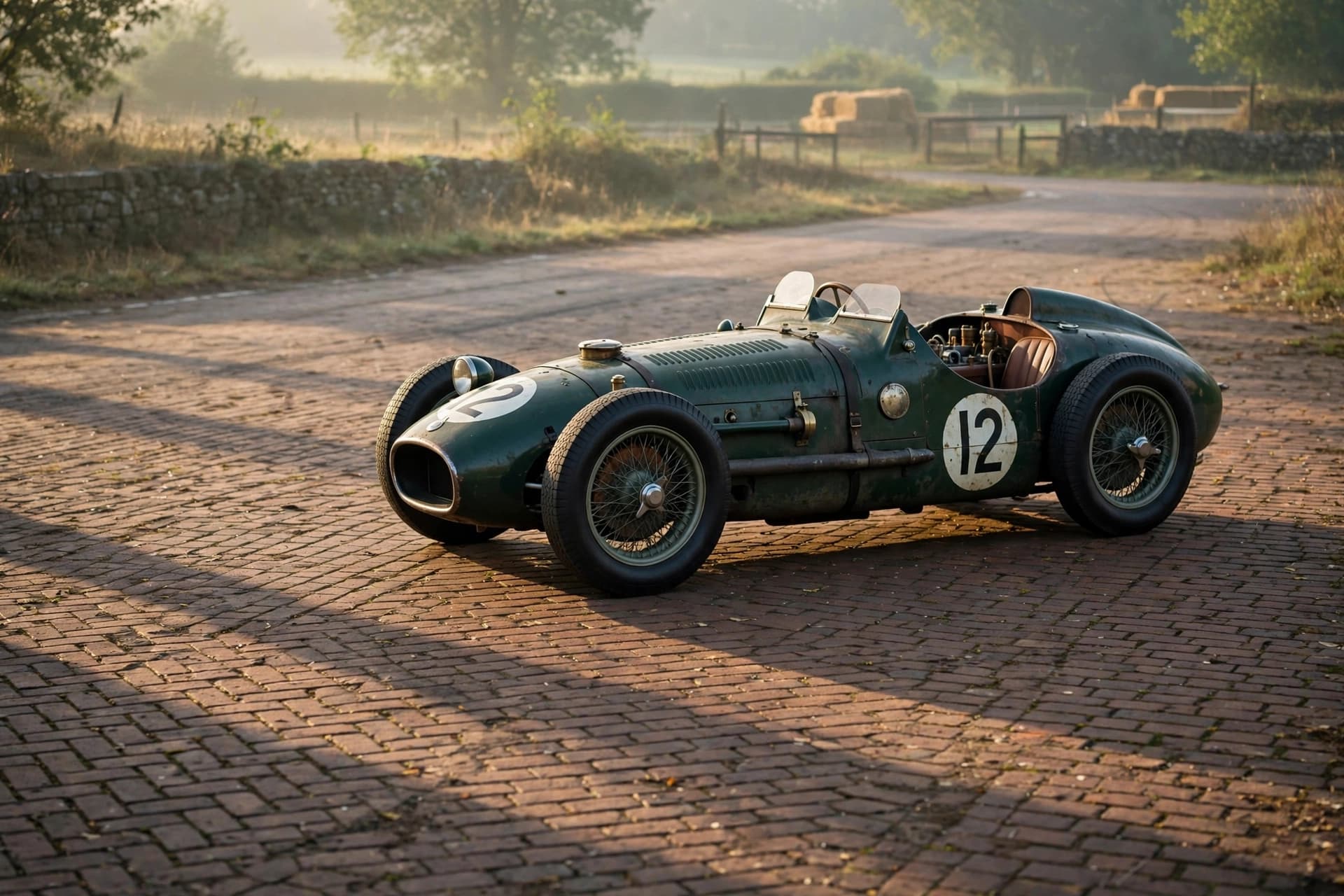
Nine years later came the moment he would call the biggest thrill of his career. In the 1982 Indianapolis 500, Johncock started fifth and led 57 laps, but the race is remembered for its finish—a breathtaking duel with Rick Mears over the final laps, with Johncock holding on to win by just 0.16 seconds. At the time, it was the closest finish in Indianapolis 500 history, and it remains one of the sport's most celebrated moments.
"By far the biggest thrill of my racing career was winning Indianapolis in 1982," Johncock said in 2023. "The way it happened, the competition, so many near wins after 1973 and it all came together and the car lasted in 1982".
Born in Hastings, Michigan, Johncock began driving a John Deere tractor on his family's farm at age five. That early intimacy with machinery and soil never left him. After his second retirement from racing, he owned Quigley Lumber, a Michigan business where he cut and sold timber, and he was often seen in the red flannel shirts that became his signature. "I've never been a person who wanted to be out in public and make appearances," he told IndyStar in 2016.
He competed in 24 Indianapolis 500s, finishing in the top five eight times and leading 339 laps. He won 25 career IndyCar races and the 1976 USAC national championship. He was inducted into the Indianapolis Motor Speedway Hall of Fame in 1997 and the International Motorsports Hall of Fame in 1999.
Johncock is survived by his wife, Sue; five children; two stepdaughters; twelve grandchildren; seventeen great-grandchildren; and one great-great-grandchild.
The checkered flag has fallen, but the quiet legacy of a farmer who became one of racing's most respected champions endures—a reminder that greatness need not announce itself loudly to be deeply felt.
Note: The visual components of this article are AI-generated and do not depict real persons or events.
Sources:
· The New York Times · AP News · Speed Sport · RACER · Yahoo Sports · INDYCAR.com
Published by Banx Network. This article is part of the Banx decentralized media programme, powered by the BXE token on the XRP Ledger.