
In the quiet moments after a tragedy, communities often search for understanding among the pieces left behind. School shootings bring profound grief, but they also lead to difficult conversations about prevention, responsibility, and the decisions that may influence a person’s path. In Georgia, a court case involving the father of a school shooter has become part of that wider national discussion.
The father of the teenager responsible for the Apalachee High School shooting in Georgia was sentenced to 15 years in prison after being convicted in connection with the attack. Prosecutors argued that his actions, including providing access to a firearm, played a significant role in the events that followed.
The sentencing followed a case that drew national attention because it involved not only the actions of the shooter but also questions surrounding parental responsibility. The legal proceedings examined whether adults can be held accountable when their decisions contribute to circumstances that later result in violence.
The school shooting at Apalachee High School left students, families, and the surrounding community facing a devastating loss. In the aftermath, investigators examined the events leading up to the attack, including the access to the weapon used during the incident.
The case became significant because it represented one of the first major examples in the United States where a parent faced criminal consequences connected to a child’s school shooting. Legal experts noted that such cases raise complex questions about accountability, firearm access, and the responsibilities of caregivers.
During the trial, prosecutors focused on evidence related to the father’s knowledge, actions, and decisions before the shooting. The defense presented its own arguments, and the court ultimately reached a decision after reviewing testimony and evidence presented during the proceedings.
Beyond the courtroom, the case has contributed to broader discussions about firearm storage, communication within families, and ways communities can identify and respond to warning signs. Many experts emphasize that preventing violence requires cooperation among families, schools, mental health professionals, and public officials.
For families affected by school shootings, legal outcomes cannot erase the pain caused by the loss and trauma experienced. However, court proceedings can become part of society’s effort to understand failures, establish responsibility, and consider steps that may prevent future tragedies.
The 15-year sentence marks a significant moment in the Georgia case, while conversations about safety and accountability continue across the country. The case remains a reminder of the complex responsibilities surrounding firearms, family decisions, and the protection of young people.
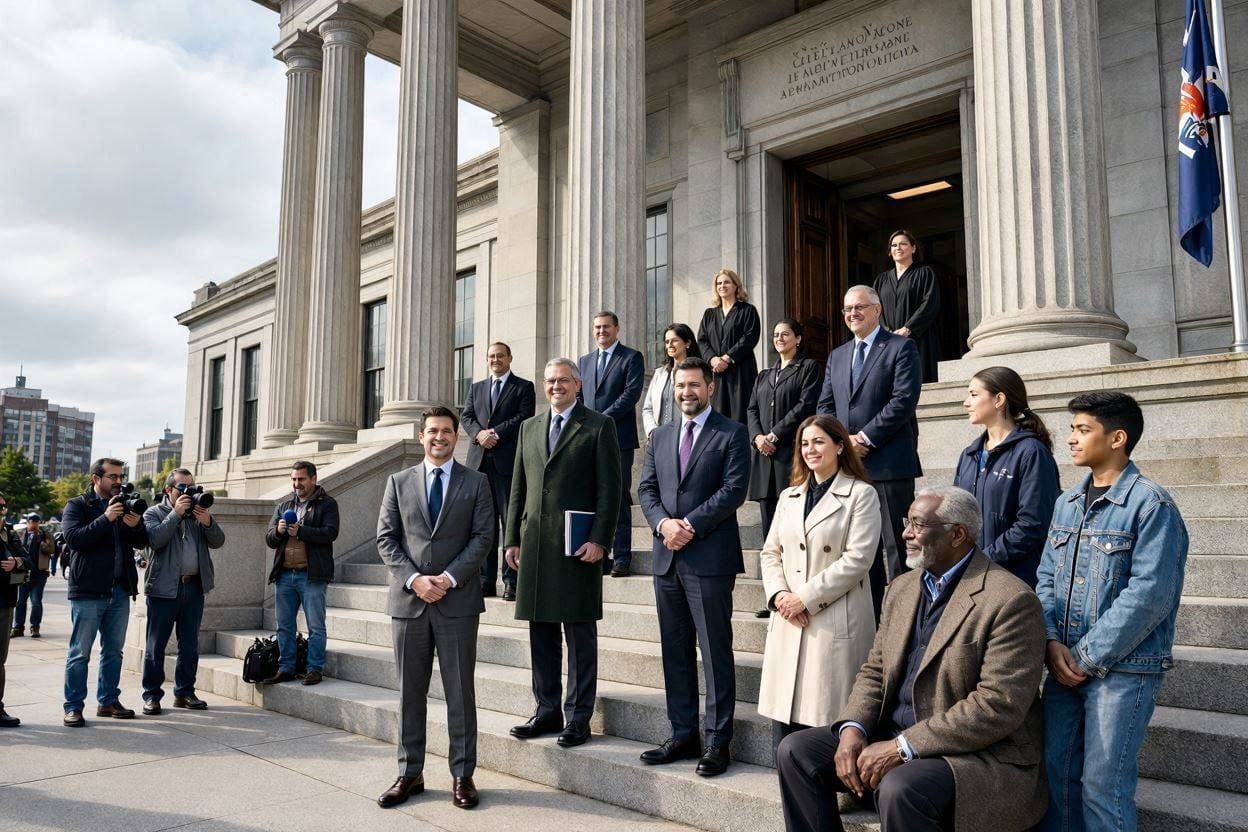
AI Image Disclaimer: This article’s illustration is AI-generated and designed as a symbolic representation of a courtroom discussion and community reflection after a school tragedy. It does not portray the actual individuals or events.
Sources:
Reuters The Guardian CNN
Published by Banx Network. This article is part of the Banx decentralized media programme, powered by the BXE token on the XRP Ledger.



.jpg&w=3840&q=75 "Sally Rooney’s Books to Be Withdrawn From UK Sale Over Palestine Action Support")