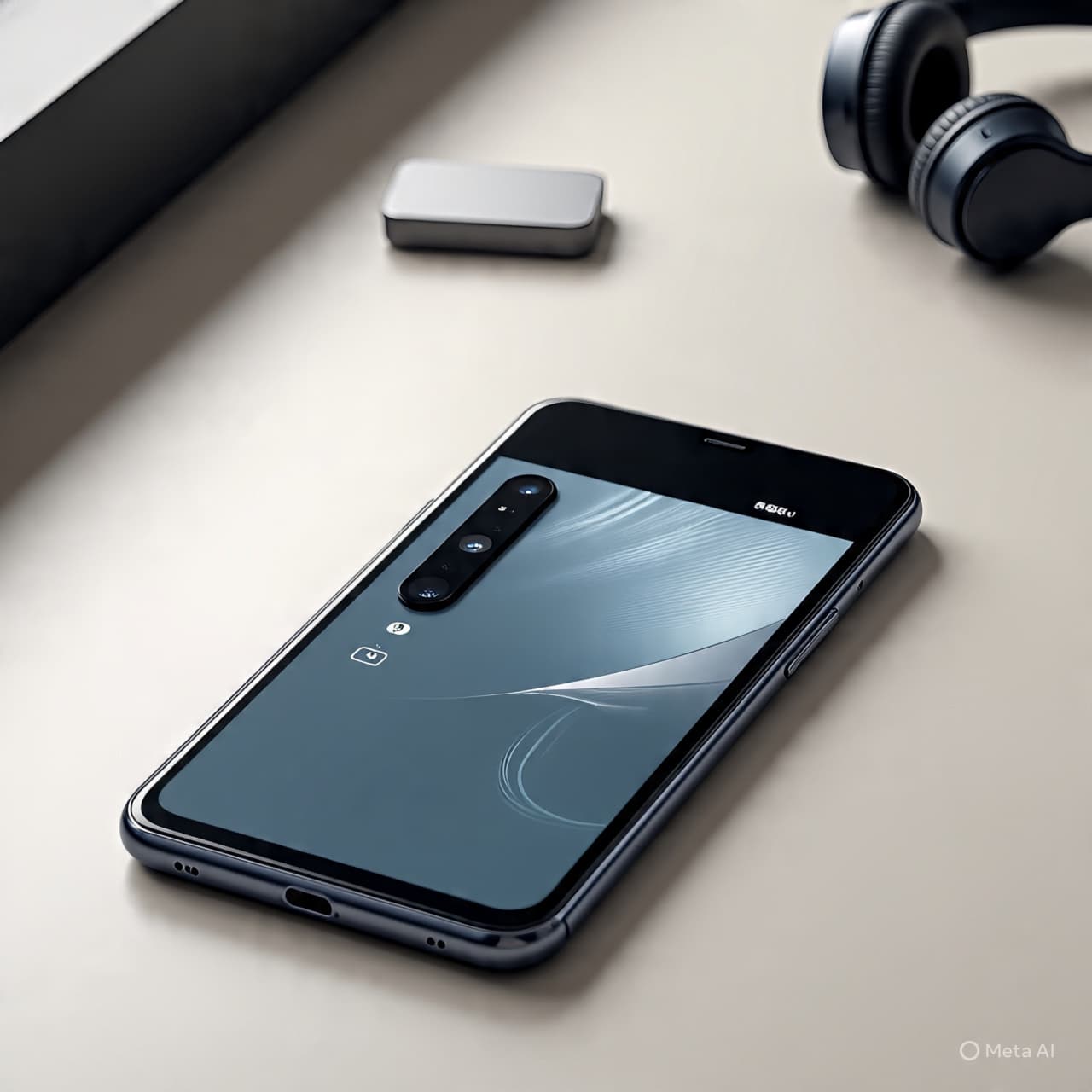
Every new smartphone generation arrives wrapped in expectation. Faster chips, sharper cameras, brighter screens — the ritual rarely changes. Yet sometimes the most meaningful updates are not the ones you can see, but the ones that quietly adjust how a device behaves once it is in your hand.
Early indications suggest Samsung’s Galaxy S26 series may follow that quieter path. Rather than centering attention solely on hardware, the company appears to be preparing a set of software-focused changes that could subtly reshape the Galaxy experience.
One of the anticipated shifts involves deeper integration of on-device artificial intelligence. Instead of headline-grabbing features, the emphasis may be on refinement — smarter system-level suggestions, more contextual automation, and AI tools that work in the background rather than demanding attention. The goal seems less about novelty and more about reducing friction in daily use.
Another potential change centers on Samsung’s One UI software layer. Long criticized for feeling heavy in earlier generations, recent versions have steadily become more restrained. With the S26 series, Samsung is expected to continue this direction, streamlining animations, reducing redundant system apps, and improving responsiveness across core functions such as multitasking and notifications.
Privacy controls may also receive renewed attention. As regulators and users alike become more sensitive to data handling, Samsung appears poised to expand transparency tools, giving users clearer insight into how apps access information and how AI features process data locally versus in the cloud.
Battery management is another area where software improvements could quietly matter more than raw capacity. Smarter power allocation, adaptive charging behaviors, and better background process control could translate into longer real-world endurance without changing the physical battery at all.
What makes these rumored changes notable is their restraint. There is no indication of dramatic interface overhauls or experimental features that disrupt muscle memory. Instead, Samsung seems focused on polishing the system people already know, treating software as something to be tuned rather than reinvented.
If this approach holds, the Galaxy S26 may feel less like a leap and more like a careful recalibration — a device that fades into the background by working more smoothly, anticipating needs more accurately, and demanding less effort from its user.
In a market saturated with spectacle, Samsung’s next surprise may be that it chooses subtlety. And for many users, that may be the most welcome upgrade of all.
Published by Banx Network. This article is part of the Banx decentralized media programme, powered by the BXE token on the XRP Ledger.