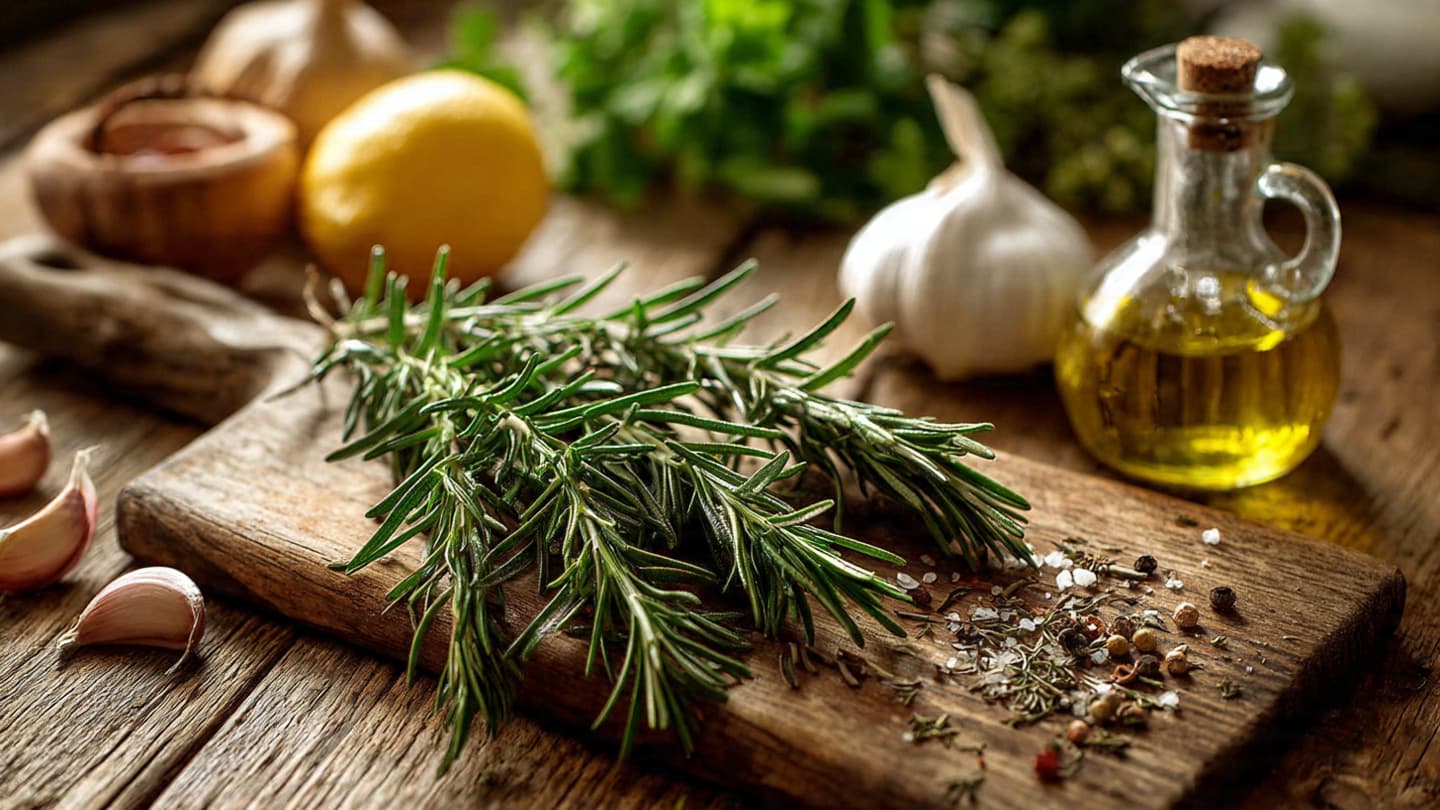
Sometimes the most familiar ingredients carry stories that extend far beyond the kitchen. A sprig of rosemary resting beside a meal may appear simple, yet nutrition experts say it represents a growing interest in how everyday foods can contribute to long-term health. In the conversation about inflammation, this aromatic herb has recently received renewed attention.
Dietitians have identified rosemary as one of the leading herbs associated with anti-inflammatory benefits. The recommendation stems from the herb's naturally occurring compounds, including rosmarinic acid and carnosic acid, which possess antioxidant and anti-inflammatory properties.
Inflammation itself is a natural biological response that helps the body respond to injury and infection. Problems can arise, however, when inflammation becomes chronic, contributing to conditions such as heart disease, diabetes, and other long-term health concerns.
Researchers have studied rosemary's ability to reduce oxidative stress and influence inflammatory pathways within the body. While much of the available research remains ongoing, findings suggest the herb may support broader efforts to maintain overall health.
Nutrition experts emphasize that no single food or herb serves as a complete solution. Rather, rosemary is most effective when incorporated into a balanced dietary pattern rich in fruits, vegetables, whole grains, and other nutrient-dense foods.
One reason rosemary has attracted attention is its accessibility. It can be used fresh or dried in a variety of dishes, making it a practical addition to everyday meals. Its culinary versatility allows consumers to incorporate it into their diets without major changes in eating habits.
Scientists are also exploring whether rosemary may have additional applications related to cognitive health, anxiety management, and pain reduction. However, experts caution that more human studies are needed before drawing firm conclusions.
Healthcare professionals advise consumers to view nutrition as part of a broader lifestyle approach. Regular exercise, adequate sleep, stress management, and a balanced diet remain key factors in supporting healthy inflammatory responses.
For those looking to enhance their meals while supporting overall wellness, rosemary offers a simple example of how traditional culinary ingredients continue to find relevance within modern nutrition science.
AI Image Disclaimer: The featured image is AI-generated and designed as a visual interpretation of the nutritional topic discussed.
Sources Verified: EatingWell, Verywell Health, Registered Dietitian Interviews
Published by Banx Network. This article is part of the Banx decentralized media programme, powered by the BXE token on the XRP Ledger.

.jpg&w=3840&q=75 "Qantas Grounds Plane After Passengers Report Bedbug Bites")