Diplomacy often requires walking into rooms where the air is thick with history and differing allegiances. President Volodymyr Zelenskyy’s recent visit to Serbia was such a journey, taking him to a nation that has maintained a delicate balance between East and West. While Belgrade has historically enjoyed close ties with Moscow, Zelenskyy’s presence signaled a desire to bridge divides and seek support for Ukraine’s sovereignty. However, the visit was shadowed by tragic news from home, where Russian attacks on the Kyiv region claimed four lives. This juxtaposition of diplomatic outreach and domestic tragedy underscores the relentless pressure faced by Ukrainian leadership.
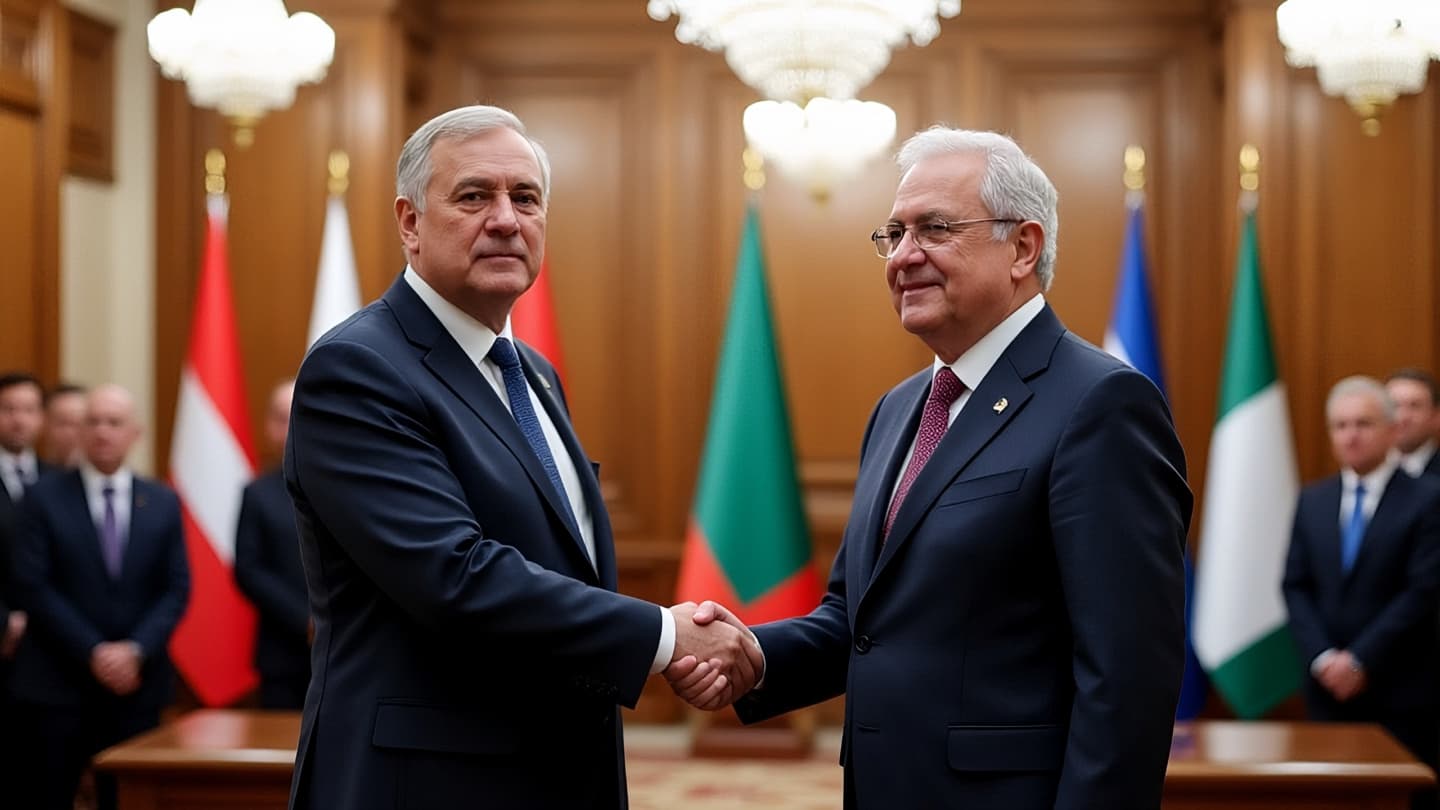
In Serbia, Zelenskyy met with President Aleksandar Vučić, urging Belgrade to align more closely with European sanctions against Russia. The conversation was polite but firm, reflecting the complex geopolitical position Serbia occupies. Vučić, while expressing sympathy for Ukraine’s suffering, has resisted joining Western sanctions, citing economic interests and historical relationships with Russia. The meeting highlighted the challenges of persuading neutral or non-aligned states to take a definitive stand in a polarized conflict.
Back in Ukraine, the reality of war continued unabated. Missile strikes on the Kyiv region resulted in casualties and damage to infrastructure, reminding the world that diplomacy does not halt bombardment. For the families of the victims, the political maneuvers in Belgrade offered little immediate comfort. Their grief is a stark counterpoint to the formal handshakes and press conferences, grounding the high-stakes diplomacy in human loss.
The visit to Serbia is part of a broader strategy by Kyiv to expand its circle of support beyond traditional Western allies. By engaging with countries in the Global South and Eastern Europe, Ukraine aims to build a coalition that isolates Russia diplomatically. Each visit is an opportunity to make the case for justice and security, even in halls where the audience may be skeptical. It is a testament to Zelenskyy’s persistence and the urgency of Ukraine’s plight.
Serbia’s stance remains a point of contention within the EU accession process. Brussels has pressured Belgrade to harmonize its foreign policy with the bloc, including regarding Russia. Zelenskyy’s visit added weight to these calls, framing support for Ukraine as a moral imperative and a step toward European integration. The outcome of these efforts will depend on Serbia’s internal political dynamics and its assessment of national interest.
International observers note that such visits are crucial for maintaining global attention on the conflict. In a world saturated with crises, keeping Ukraine’s struggle in the spotlight requires constant effort. Zelenskyy’s travels serve as a reminder that the war is not just a regional issue but a global test of international law and human rights.
Zelenskyy’s visit to Serbia was a significant diplomatic effort amidst ongoing violence in Ukraine. As the war continues, the search for broader international support remains a key priority. The hope is that these dialogues will eventually contribute to a lasting peace, honoring those who have lost their lives.
AI Image Disclaimer: Visuals associated with this article are AI-generated to illustrate the themes of diplomacy and conflict.
Sources: BBC News Reuters Al Jazeera
Published by Banx Network. This article is part of the Banx decentralized media programme, powered by the BXE token on the XRP Ledger.