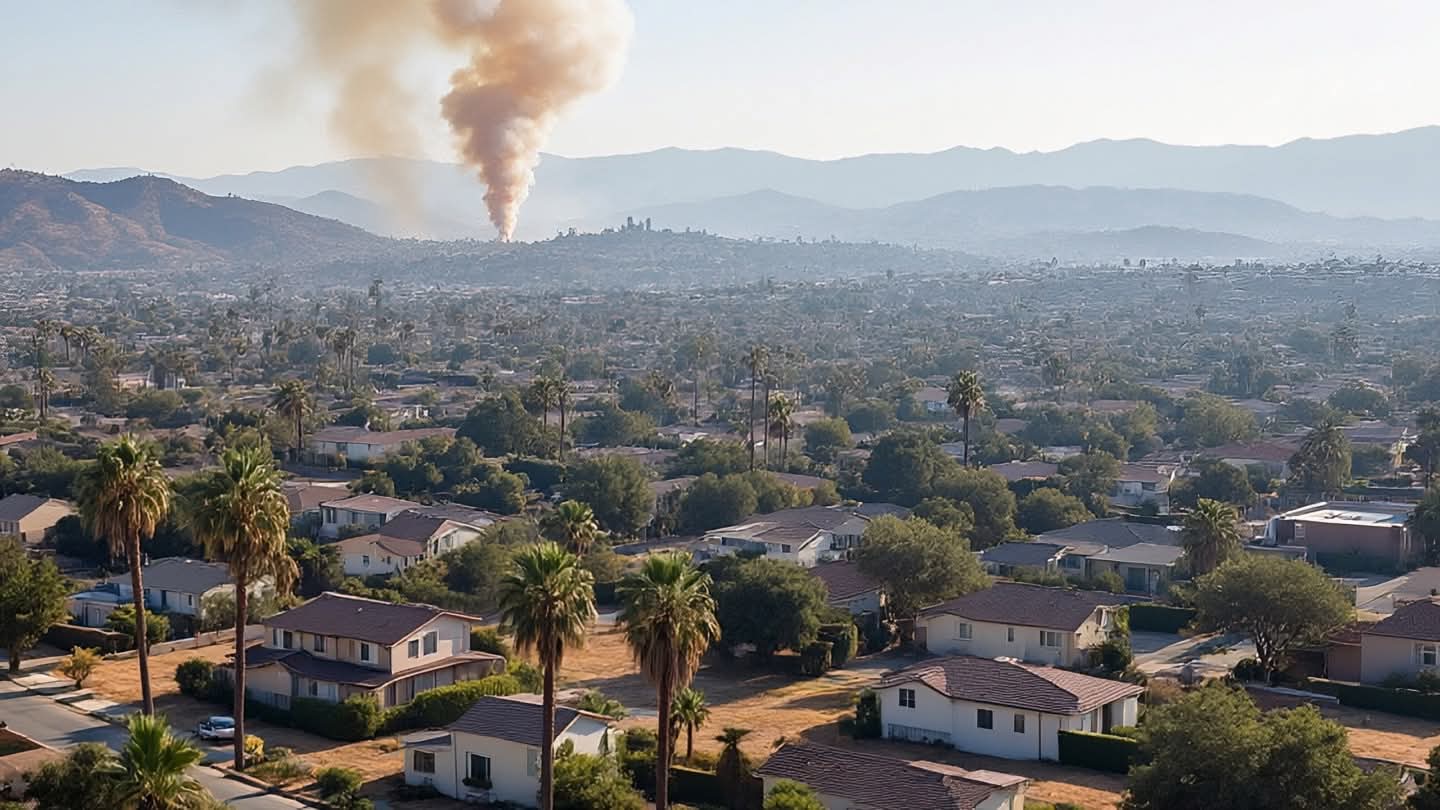
In the golden light of California’s late summer, where the air is thick with the scent of pine and the distant hum of anxiety, the state faces a recurring question that strikes at the heart of its social contract. As wildfires continue to reshape the landscape, leaving behind charred memories and rebuilt hopes, the debate over financial responsibility has reignited. Governor Gavin Newsom finds himself once again at the center of this storm, navigating the delicate balance between protecting utility companies, ensuring affordable insurance, and providing justice for those who have lost everything to the flames.
The core of the current legislative push involves a significant restructuring of how wildfire damages are funded. Newsom’s proposal seeks to limit the liability of utility companies, arguing that excessive legal costs and unpredictable payouts threaten the stability of the state’s energy grid. By capping certain damages and shifting more of the burden to a state-managed fund, the governor aims to create a more predictable environment for both insurers and energy providers. This approach, however, has drawn sharp criticism from consumer advocates who view it as a bailout for corporations at the expense of victims.
The existing California Wildfire Fund, established in 2019, was designed to reimburse utilities for claims arising from covered wildfires, funded by both ratepayers and shareholder contributions. Yet, as the frequency and intensity of fires have increased, the fund’s resources have come under strain. Newsom’s new plan proposes injecting additional capital while simultaneously restricting the types of compensation that can be claimed, particularly non-economic damages such as pain and suffering. This move is intended to keep insurance premiums manageable for homeowners, but it raises ethical questions about the value placed on human loss.
Insurance companies have expressed cautious support for the liability caps, warning that without them, the market could become even more unstable. Many carriers have already reduced their footprint in the state, citing the unsustainable risk of unlimited liability. For residents in high-risk zones, the threat of losing coverage entirely is a daily concern, making the governor’s intervention a matter of immediate practical importance. The hope is that by stabilizing the backend of the industry, front-end affordability can be preserved.
Critics, including some lawmakers and fire survivor groups, argue that the proposal undermines accountability. They contend that utilities must remain fully responsible for the consequences of their infrastructure failures, regardless of the cost. To them, limiting liability sends a message that corporate profits are prioritized over public safety and justice. This tension reflects a broader national debate about the role of regulation in an era of climate-driven disasters.
The political stakes are high, with the legislative session ticking away toward its August 31 deadline. Newsom is leveraging his influence to secure passage, framing the issue as a necessary step to prevent a collapse of the housing and insurance markets. Opponents are mobilizing to amend or block the bill, seeking greater protections for victims and stricter oversight of utility maintenance practices. The outcome will likely define the governor’s legacy on environmental and economic policy.
As negotiations continue, the voices of those who have lived through the fires remain central to the discussion. Their stories of loss and resilience serve as a poignant reminder that behind every policy decision are real people facing uncertain futures. The challenge lies in crafting a solution that honors their suffering while ensuring the long-term viability of the state’s infrastructure.
Ultimately, the debate over wildfire liability is not just about money; it is about values. As California moves forward, the decisions made in Sacramento will ripple through communities for generations, shaping how the state responds to the growing challenges of a changing climate.
AI Image Disclaimer: Please note that any accompanying visuals for this report are AI-generated representations intended to illustrate the context of the event.
Sources: PBS NewsHour CalMatters KCRA San Francisco Chronicle
Published by Banx Network. This article is part of the Banx decentralized media programme, powered by the BXE token on the XRP Ledger.