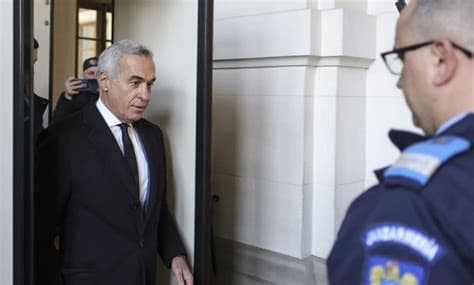
The long shadow of organized crime often stretches across borders, but justice, though sometimes slow, has a way of closing the distance. Recently, Daniel Kinahan, a figure long associated with alleged criminal enterprises, appeared in an Irish court following his extradition from Dubai. This moment marks the end of a decade-long evasion and the beginning of a new legal chapter. For many, it is a significant development in the fight against transnational crime, reminding us that no sanctuary is permanent when international cooperation is steadfast. The atmosphere in the courtroom was tense yet orderly, reflecting the gravity of the charges and the culmination of extensive diplomatic efforts.
Kinahan’s return to Ireland was facilitated by a complex legal process involving the United Arab Emirates and Irish authorities. His arrest in Dubai had been a surprise to many, given his high-profile status and resources. The extradition hearing was fast-tracked, demonstrating the priority placed on this case by both governments. For the victims of the crimes he is accused of orchestrating, this appearance offers a glimmer of hope for accountability. It is a testament to the persistence of law enforcement agencies working across jurisdictions.
The charges against Kinahan are serious, relating to his alleged role in a major criminal organization. Prosecutors argue that he was a central figure in drug trafficking and money laundering operations that spanned multiple continents. Defense lawyers, however, maintain his innocence and plan to challenge the evidence presented. The legal battle ahead will be intricate, involving vast amounts of financial data and witness testimonies. It will test the resilience of the Irish judicial system and its ability to handle such high-profile cases.
Public reaction in Ireland has been mixed, with some viewing Kinahan’s return as a victory for justice and others expressing skepticism about the outcome. The media coverage has been intense, reflecting the public’s fascination with the underworld and its leaders. For communities affected by drug-related violence, this case is personal. It represents a chance to address the root causes of their suffering and to see those responsible held to account.
The extradition also highlights the changing landscape of international law enforcement. Countries are increasingly willing to cooperate in tackling organized crime, recognizing that it is a global threat. The role of financial intelligence and digital forensics has become crucial in building cases against sophisticated criminal networks. This case may set precedents for future extraditions and prosecutions.
As Kinahan faces the court, the focus shifts to the evidence and the legal arguments. The trial will likely be lengthy, requiring patience and diligence from all involved. For now, the mere fact of his presence in an Irish courtroom is a significant milestone. It signals that the era of impunity may be coming to an end for those who operate in the shadows.
Daniel Kinahan’s court appearance in Ireland following his extradition marks a pivotal moment in the pursuit of justice. As legal proceedings begin, the hope is for a fair and thorough examination of the allegations. The outcome will have implications for how transnational crime is addressed in the future.
AI Image Disclaimer: The visual elements accompanying this report are AI-generated interpretations designed to reflect the legal and journalistic context of the story.
Sources: The Irish Times Sky News BBC News
Published by Banx Network. This article is part of the Banx decentralized media programme, powered by the BXE token on the XRP Ledger.