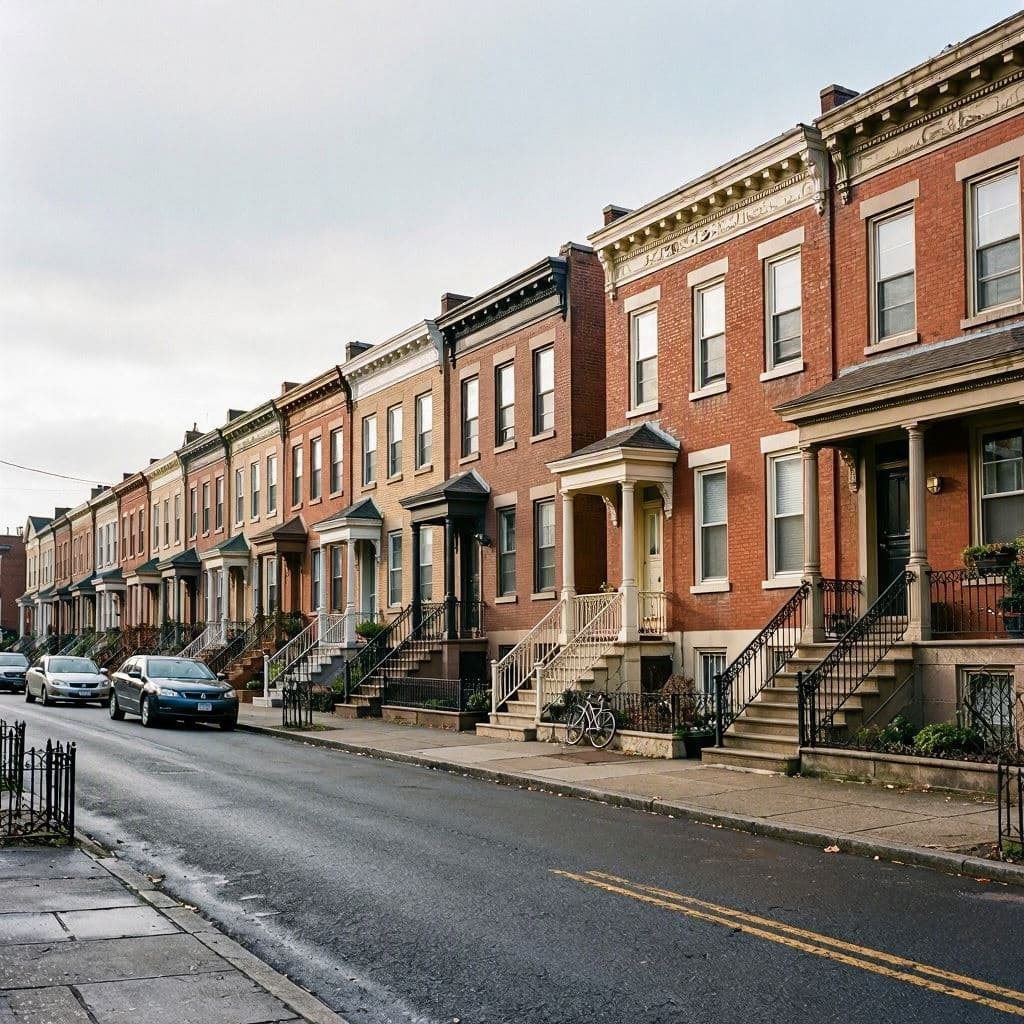
In the quiet neighborhoods of Philadelphia, where row houses stand close together and secrets can sometimes hide in plain sight, a dark narrative has begun to unfold. The case of Raymond Horsch, linked to the disappearance of several women, has sent shockwaves through the community. A cousin of one of the victims has come forward, alleging that Horch specifically targeted vulnerable women. This revelation adds a chilling layer to an already complex investigation, prompting a deeper look into the patterns of predation and the failures of protection.
The investigation centers around a home in the Olney section of Philadelphia, where authorities have discovered disturbing evidence linking Raymond Horsch and his father, Eugene, to multiple missing women. The cousin’s statement suggests that Horsch used online platforms to lure women into dangerous situations, exploiting their precarious circumstances. This method of operation highlights the vulnerabilities faced by sex workers and the ease with which predators can operate in the digital age.
Police have recovered over a million digital items from the residence, including images and videos that are being analyzed for clues. The sheer volume of evidence suggests a long-standing pattern of behavior, one that may have gone unnoticed for years. The family’s willingness to speak out is a brave step toward seeking justice, shedding light on the systemic issues that allow such crimes to persist. It is a testament to their resilience in the face of unimaginable loss.
The case has drawn national attention, with many questioning how such activities could occur in a residential area without detection. Neighbors have expressed shock and sadness, noting that the Horsch family kept to themselves. The isolation of the victims, both physically and socially, made them easy targets for someone who understood how to manipulate their trust. It is a sobering reminder of the importance of community vigilance and support.
Advocates for sex workers have emphasized the need for safer environments and greater legal protections. They argue that criminalization often drives these individuals underground, making them more susceptible to violence and exploitation. The Horsch case illustrates the urgent need for policy changes that prioritize safety and dignity for all members of society. It is a call to action for lawmakers and community leaders alike.
As the investigation continues, authorities are working to identify all potential victims and provide answers to their families. The process is slow and painstaking, requiring careful analysis of digital forensics and witness statements. Each piece of evidence brings them closer to the truth, but also reopens wounds for those who have lost loved ones. The emotional toll on the community is significant, yet there is a shared determination to see justice done.
The psychological profile of Raymond Horsch, described as grandiose and controlling, provides insight into his methods. Experts suggest that his behavior was calculated, designed to maintain power over his victims. Understanding these dynamics is crucial for preventing future crimes and supporting survivors. It is a complex puzzle that requires expertise from various fields, including psychology, law enforcement, and social work.
The story of Raymond Horsch is a tragic chapter in Philadelphia’s history, one that highlights the dangers faced by vulnerable populations. As the community comes to terms with the revelations, there is a renewed commitment to protecting those at risk. The courage of the victim’s family in speaking out is a powerful force for change, inspiring others to seek justice and accountability. In the end, it is a reminder that no one should have to live in fear.
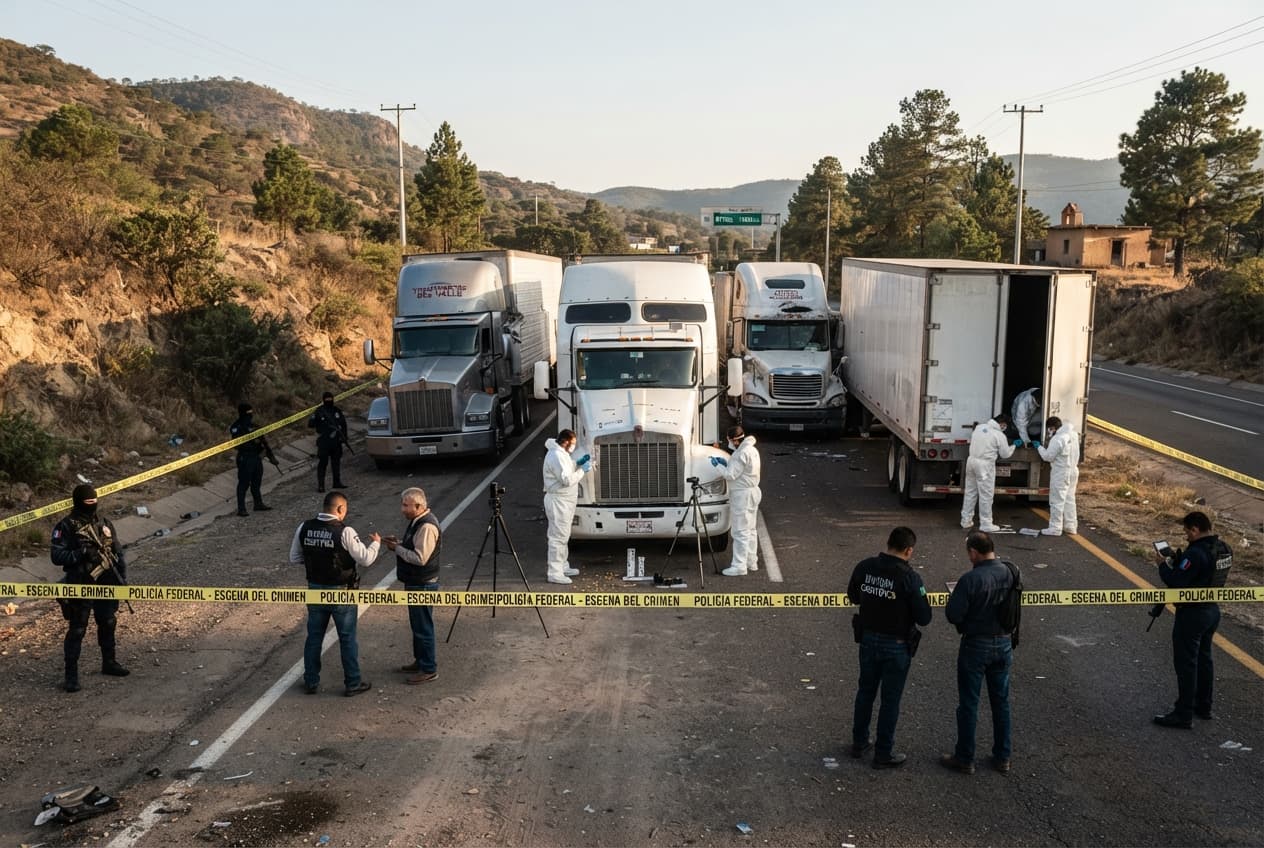
AI Image Disclaimer: The visuals associated with this piece are AI-generated illustrations created to complement the narrative.
Sources: NewsNation, ABC7 New York, NBC Philadelphia, The Philadelphia Inquirer, Fox 29 Philadelphia
Published by Banx Network. This article is part of the Banx decentralized media programme, powered by the BXE token on the XRP Ledger.