In the quiet suburbs of Douglas County, Georgia, the hum of servers has become the new soundtrack of economic growth. Once a primarily residential and agricultural area, the county has recently emerged as a hub for data center development, attracting billions of dollars in investment from tech giants. These massive facilities, which store and process the digital information that powers modern life, have brought jobs, tax revenue, and a sense of prosperity. But as the cranes rise and the fiber optics connect, a quieter question lingers among residents: what is the true cost of this digital boom?
Data centers are the invisible engines of the internet, requiring vast amounts of electricity and water to keep their servers cool and running. For Douglas County, the promise of economic revitalization was irresistible. Local officials touted the projects as a win-win, bringing high-tech jobs and expanding the tax base. Indeed, the influx of capital has improved infrastructure and funded public services, offering a lifeline to a community seeking new opportunities. The county’s ledger looks healthy, with projections of sustained growth for years to come.
However, the physical footprint of these digital warehouses is substantial. Residents living near proposed sites have raised concerns about noise pollution, increased traffic, and the strain on local resources. Water usage, in particular, has become a flashpoint. Data centers consume millions of gallons of water for cooling, raising fears about long-term sustainability in a region where water resources are shared and sometimes scarce. For farmers and homeowners alike, the prospect of competing with corporate entities for water is unsettling.
Environmental groups have also weighed in, pointing to the carbon footprint of these facilities. While many tech companies pledge to use renewable energy, the sheer scale of demand often outpaces supply. The construction process itself disrupts local ecosystems, clearing land and altering drainage patterns. For a county proud of its green spaces and rural character, the transformation feels rapid and irreversible. The trade-off between economic gain and environmental preservation is a delicate balance that few feel is being adequately managed.
Community meetings have become arenas for debate, with voices ranging from enthusiastic support to cautious skepticism. Some residents welcome the jobs and increased property values, while others worry about the loss of community identity. The feeling of being left out of the decision-making process is common, with many expressing frustration that deals were struck behind closed doors before public input was sought. Trust, once eroded, is difficult to rebuild, and the county administration faces the challenge of restoring confidence.
The issue is not unique to Douglas County. Across the United States, communities are grappling with the rapid expansion of data infrastructure. From Virginia to Arizona, local governments are struggling to regulate an industry that moves faster than policy can adapt. The lack of standardized regulations means that each county must negotiate its own terms, often without the expertise to fully assess long-term impacts. This patchwork approach leads to inconsistencies and potential vulnerabilities for residents.
Despite the concerns, the momentum of the data center boom shows no signs of slowing. The demand for cloud computing, artificial intelligence, and digital services continues to grow, driving companies to seek new locations. For Douglas County, the challenge is to harness this growth responsibly. This may involve stricter environmental standards, community benefit agreements, and greater transparency in planning processes. The goal is to ensure that prosperity is shared and sustainable.
As the sun sets over the new server farms, the question remains: is this the future the community wanted? The answer is complex, woven from threads of hope and hesitation. For now, Douglas County stands at a crossroads, balancing the allure of digital wealth with the tangible needs of its people. The conversation is far from over, and the cost of progress will be measured not just in dollars, but in the well-being of those who call this place home.
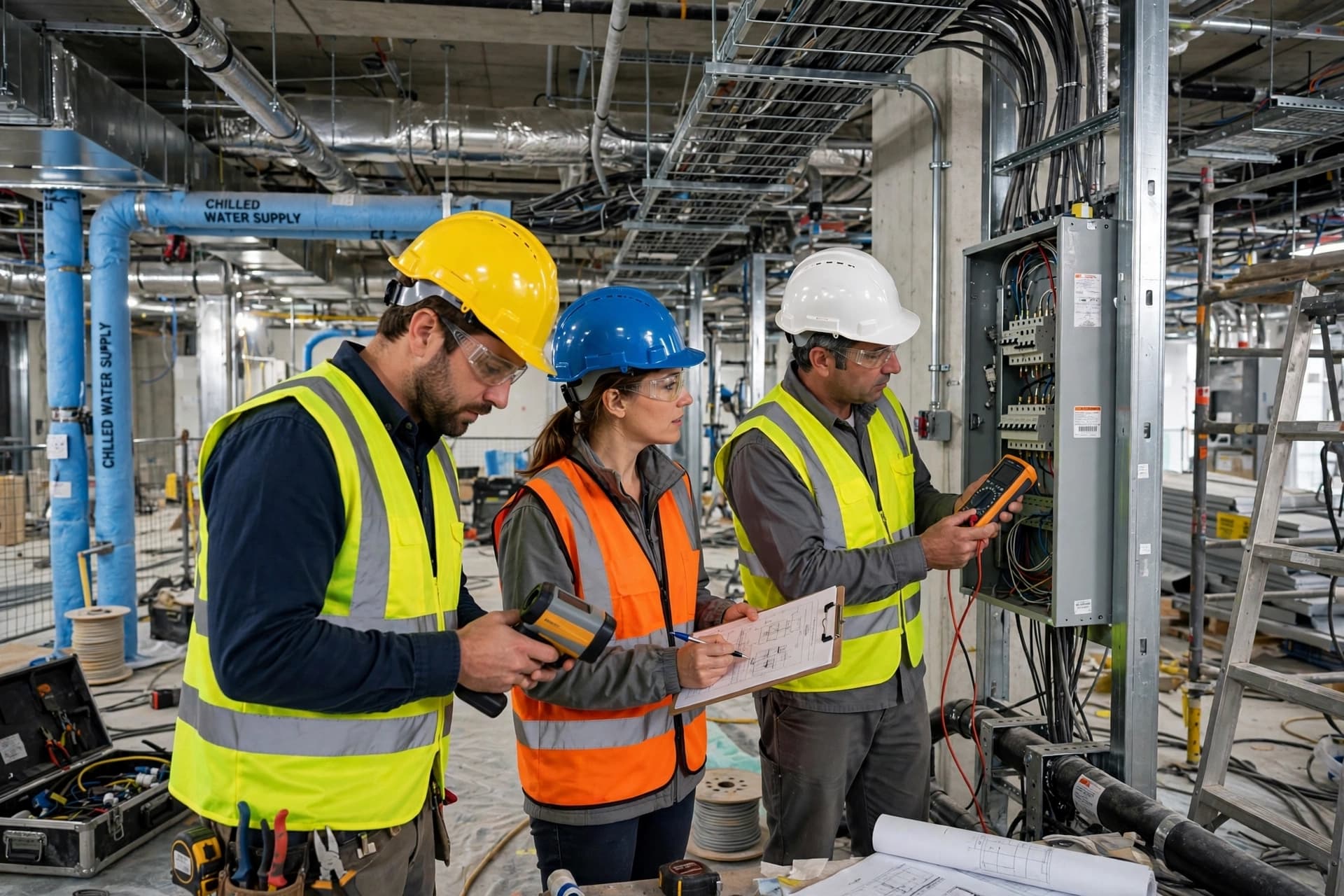
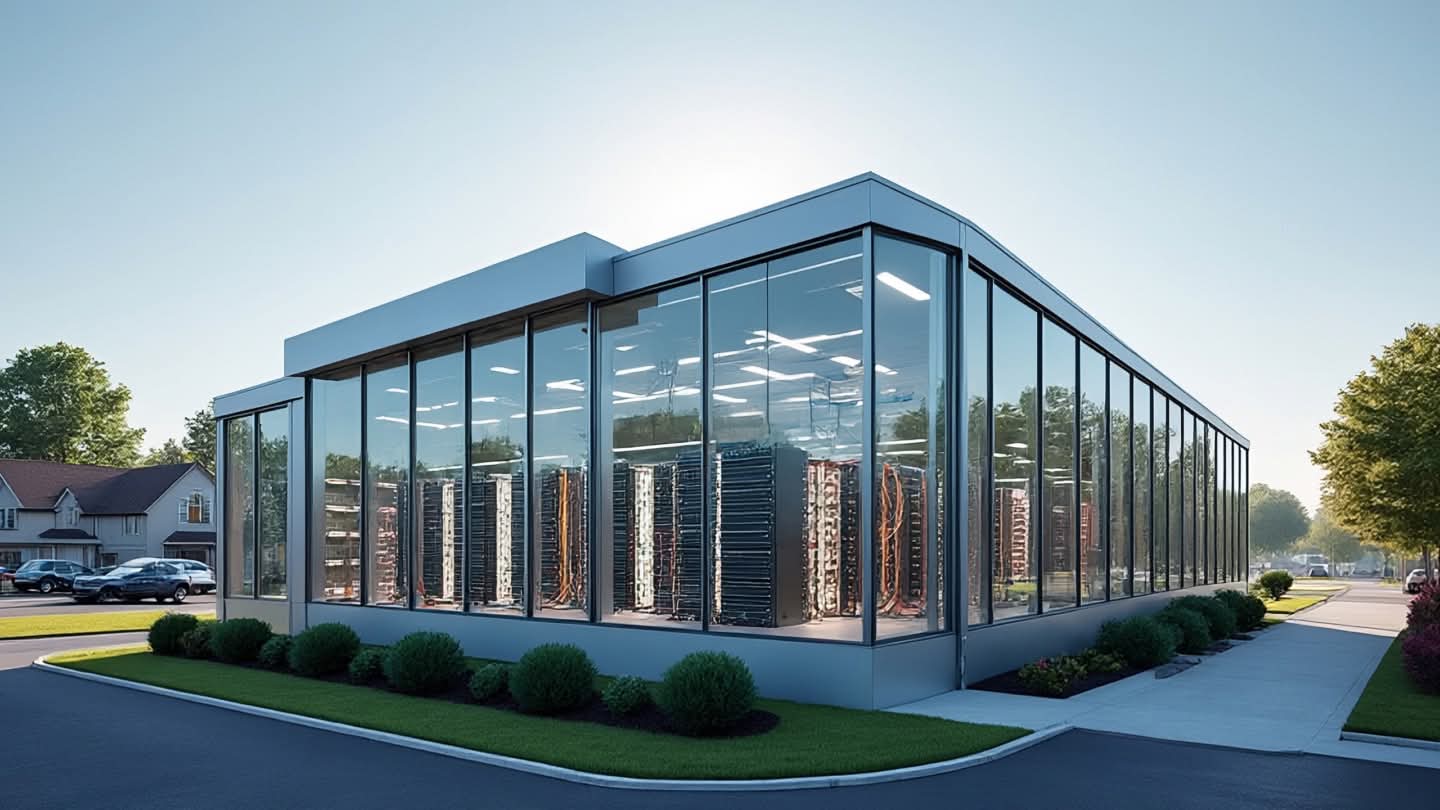
AI Image Disclaimer: Images accompanying this report are AI-generated artistic interpretations of data center facilities and suburban landscapes, intended to visualize the contrast between technology and community without depicting real proprietary infrastructure.
Sources: Fox 5 Atlanta, Good Jobs First, Elevated Douglas, CBS News
Published by Banx Network. This article is part of the Banx decentralized media programme, powered by the BXE token on the XRP Ledger.