There are moments in astronomy when the universe seems to speak not in images, but in patterns—faint, fleeting, almost lost in the vast quiet that surrounds them. A star ends its life in a blaze of light, and long after that brightness fades, something else lingers: a signal, delicate and brief, carrying with it the imprint of forces too distant to touch, yet precise enough to measure.
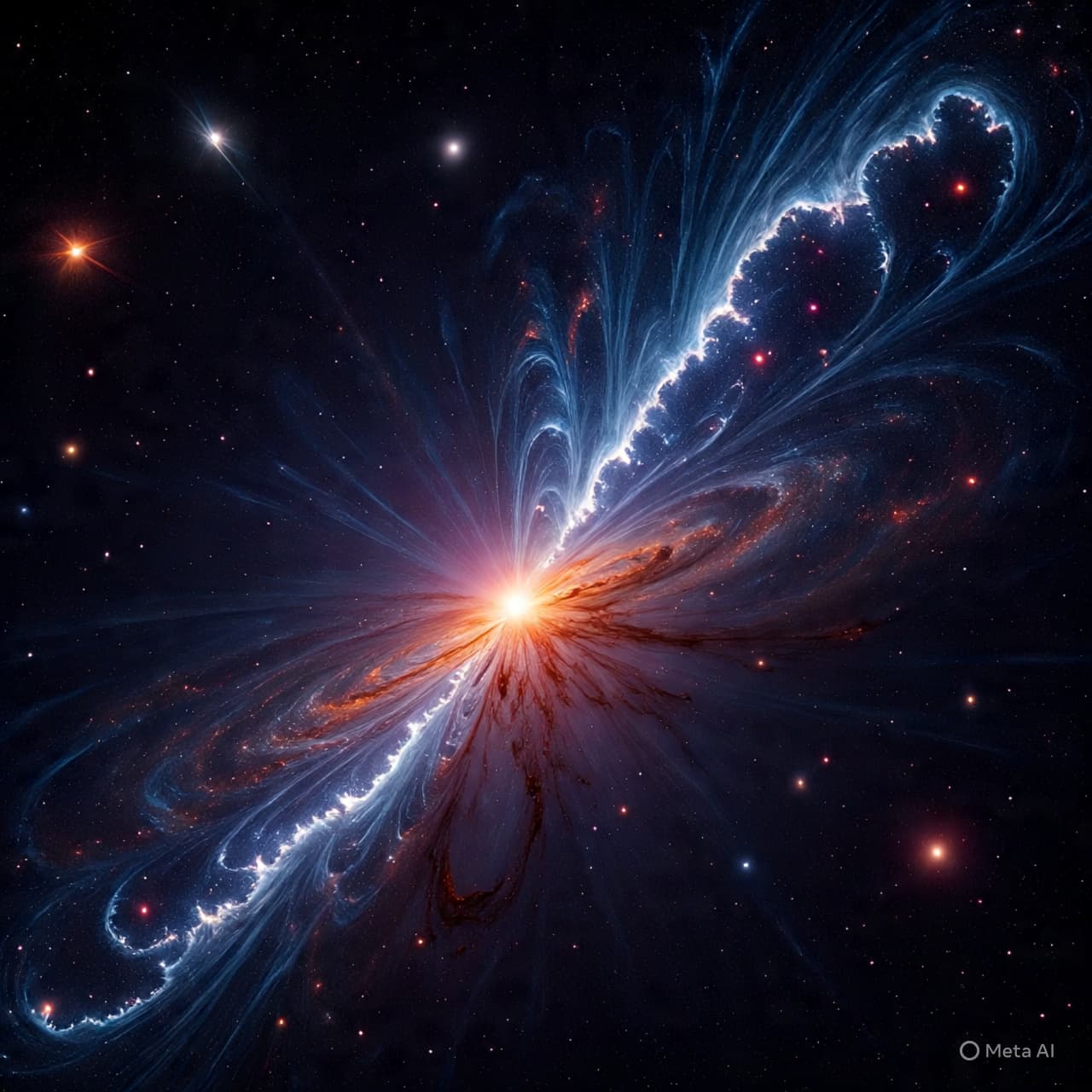
It is in this space between explosion and echo that astronomers have recently traced what they describe as a “chirp”—a rising signal, subtle in form but distinct in its structure. Detected in the aftermath of a supernova, the chirp does not resemble the steady emissions typically associated with stellar remnants. Instead, it unfolds as a quickening frequency, a kind of upward sweep that suggests motion, interaction, or transition occurring deep within the remains of the event.
Within the framework of astrophysics, such signals are often associated with dynamic systems—objects moving rapidly, collapsing inward, or interacting under extreme gravitational forces. Chirps are most commonly discussed in the context of gravitational waves, where merging black holes or neutron stars produce characteristic frequency increases as they spiral together. Yet the presence of a chirp-like signal linked to a supernova introduces a different kind of question: what internal process could generate such a pattern in the wake of a stellar explosion?
Researchers suggest that the signal may be tied to asymmetries within the collapsing core or to rapidly evolving structures formed during the explosion itself. As the star implodes and rebounds, matter does not always move uniformly. Instabilities can develop—regions where density, temperature, and velocity diverge, creating conditions for oscillations or waves that propagate outward. Under certain circumstances, these motions may imprint themselves onto detectable signals, producing the kind of frequency sweep now being observed.
Another possibility lies in the behavior of compact remnants. If the supernova leaves behind a rapidly rotating neutron star, subtle interactions between its magnetic field and surrounding material could give rise to emissions that evolve over time. The chirp, in this sense, becomes less a singular event and more a signature of transition—a system settling, redistributing energy, finding a new equilibrium.
The detection itself depends on instruments capable of extraordinary sensitivity. Whether captured through radio observations, gravitational-wave detectors, or other advanced arrays, the signal emerges only after careful analysis, separated from background noise and verified across datasets. It is a reminder that much of the universe’s activity does not announce itself loudly, but instead requires patience to discern.
What makes this finding significant is not only the signal itself, but what it suggests about the physics within a supernova. These explosions, long studied for their role in dispersing elements and shaping galaxies, still hold unanswered questions about the precise mechanisms that drive them. A chirp introduces a new layer of information—one that may help refine models of core collapse, energy transfer, and the behavior of matter under extreme conditions.
There is a quiet elegance in the idea that even in destruction, there is structure—patterns that persist, signals that carry meaning across vast distances. The star’s end is not a single moment, but a sequence, unfolding in ways that continue to reveal themselves long after the light has traveled on.
Astronomers report detecting a chirp-like signal associated with a supernova event, indicating dynamic processes within the collapsing star or its remnant. Researchers say the observation could provide new insight into the internal physics of supernovae, including asymmetries and compact object formation. Further studies are underway to confirm the origin and implications of the signal.
AI Image Disclaimer
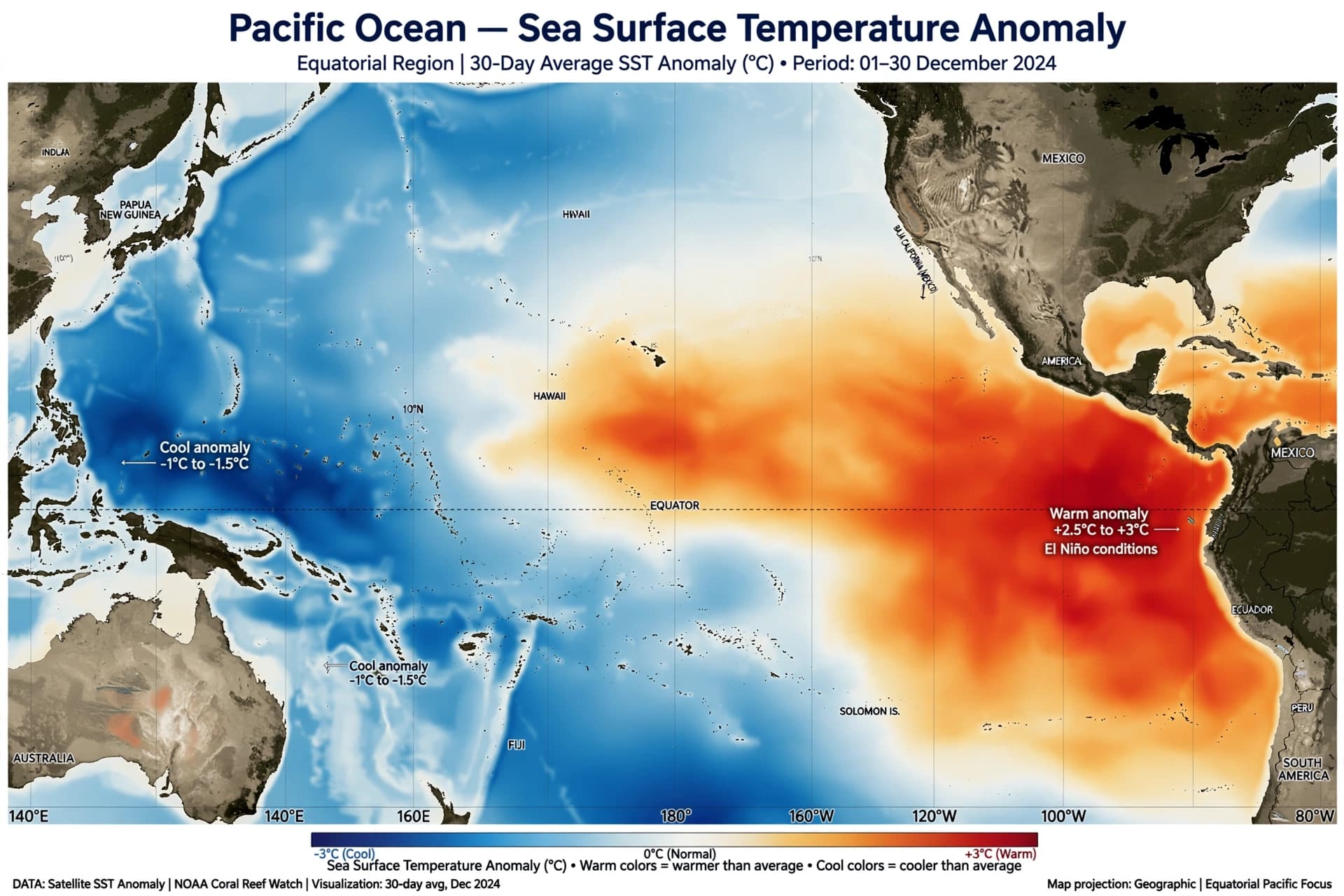
These images are AI-generated to illustrate the concept and are not actual observational data.
Sources
Nature Science NASA European Space Agency Scientific American
Published by Banx Network. This article is part of the Banx decentralized media programme, powered by the BXE token on the XRP Ledger.