In the vast, silent theater of the cosmos, there are moments when the universe turns its gaze directly upon us. Recently, astronomers identified a supermassive black hole whose powerful jet of energy is aimed precisely at Earth. This rare alignment, known as a blazar, offers more than just a spectacular celestial display; it provides a unique opportunity to peer into the mechanisms that govern the most energetic processes in the universe. It is a reminder that we are not merely observers from a distance, but participants in a dynamic and interconnected cosmic web.
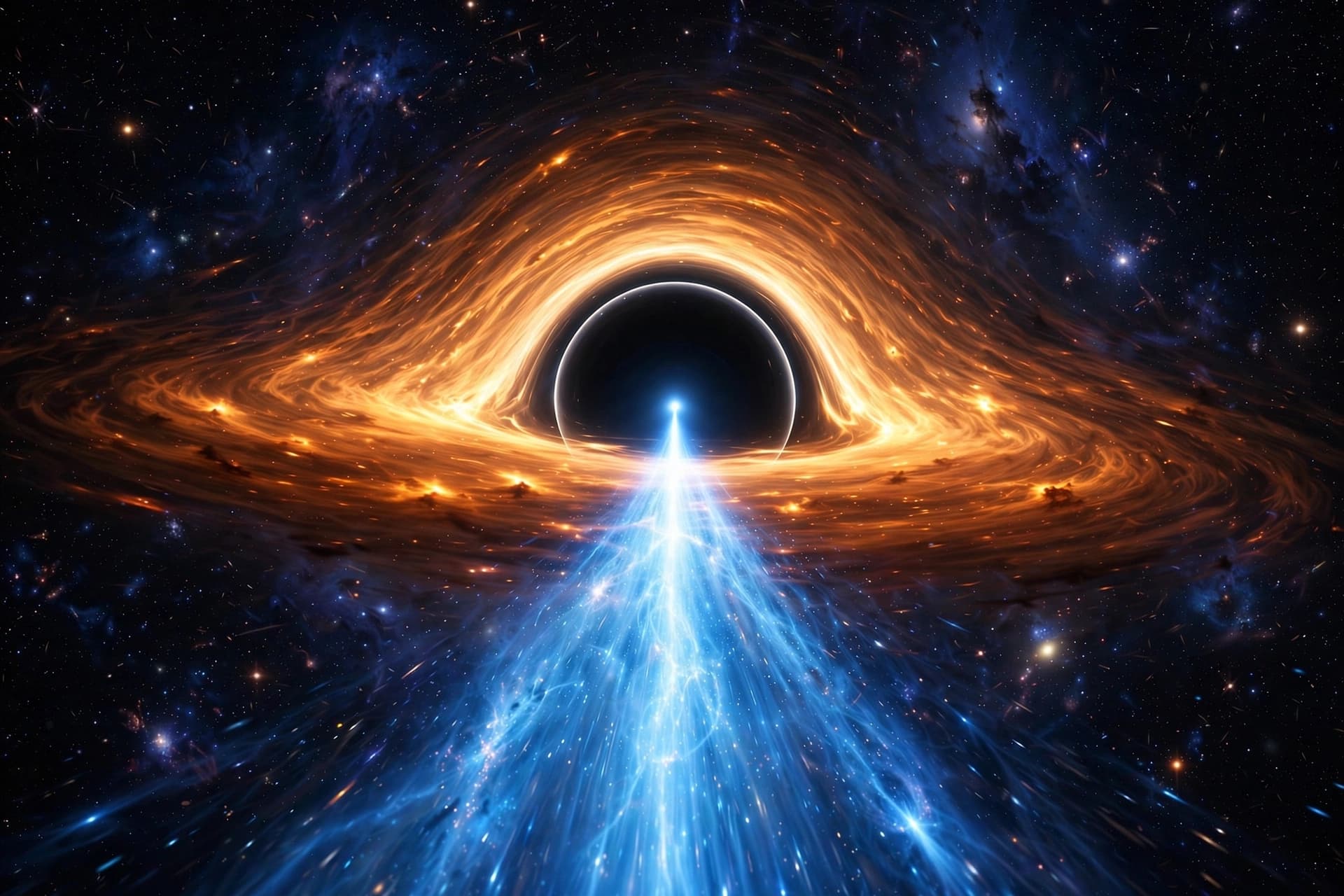
The discovery centers on a specific type of active galactic nucleus where the relativistic jet—a stream of plasma moving at nearly the speed of light—is oriented along our line of sight. This orientation amplifies the brightness of the source due to relativistic beaming, making it appear significantly more luminous than it would from other angles. For scientists, this "head-on" view is invaluable, allowing them to study the internal structure of the jet and the physics of particle acceleration with unprecedented clarity.
This particular black hole has been linked to a long-standing mystery regarding the origin of high-energy neutrinos detected on Earth. Neutrinos are elusive particles that rarely interact with matter, making their sources difficult to trace. However, the timing and direction of recent neutrino detections align closely with flares observed from this blazar. This correlation suggests that these massive black holes may be the cosmic accelerators responsible for producing some of the highest-energy particles in the universe.
The implications of this finding extend beyond particle physics. Understanding how black holes launch and sustain such powerful jets helps refine models of galaxy evolution. These jets can influence the formation of stars and the distribution of gas within their host galaxies, acting as regulatory forces in the cosmic ecosystem. By studying this nearby example, astronomers can better understand the role of black holes in shaping the large-scale structure of the universe.
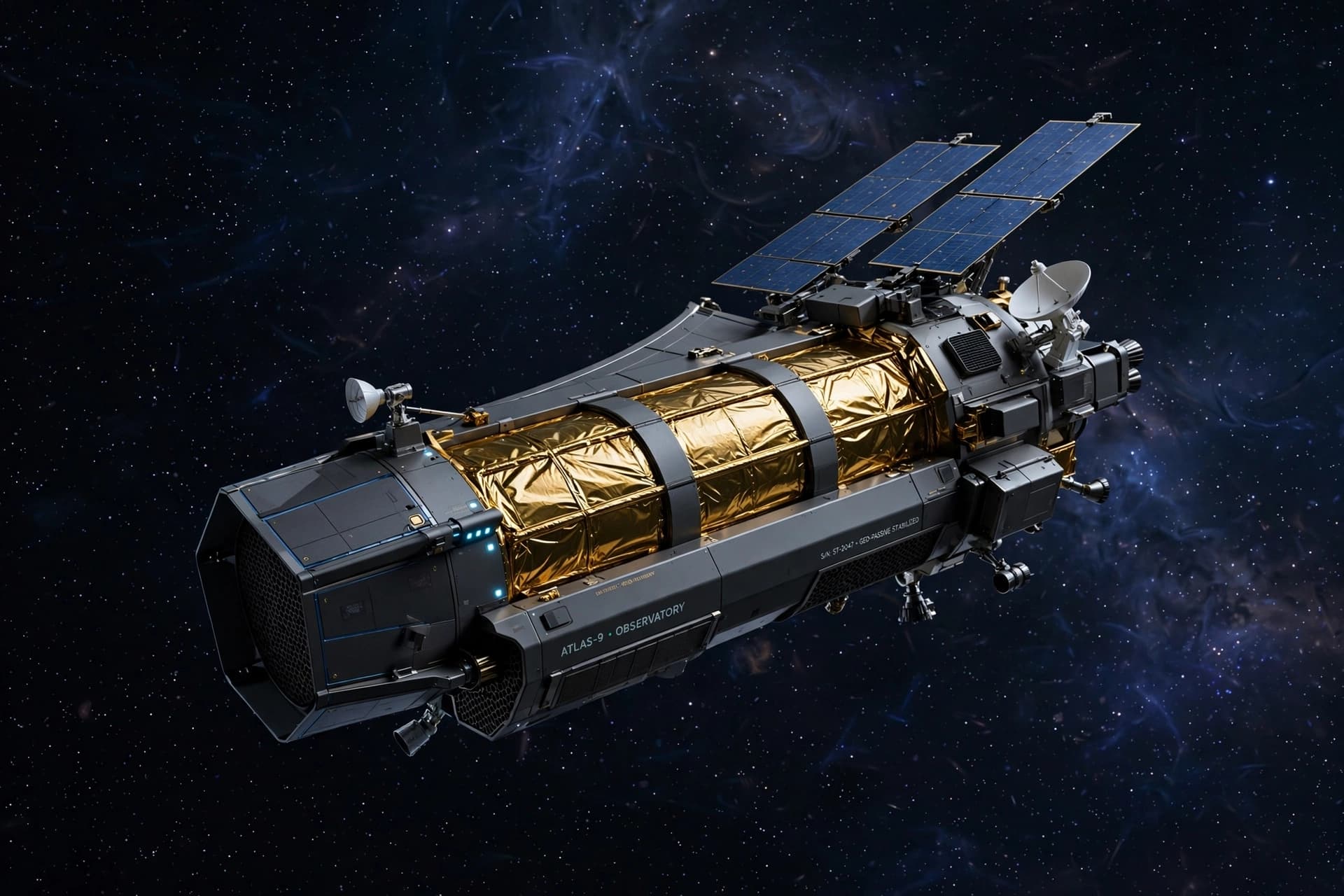
Technological advancements have made this discovery possible. The combination of multi-messenger astronomy—using light, gravitational waves, and neutrinos—allows researchers to cross-reference data from different sources. Telescopes ranging from radio arrays to gamma-ray observatories work in concert to capture the full spectrum of emissions. This collaborative approach highlights the power of global scientific cooperation in solving complex puzzles.
For the public, the idea of a black hole pointing at Earth might sound alarming, but the distance involved ensures no physical danger. Instead, it offers a sense of wonder and connection. We are receiving signals from billions of years ago, carrying information about the early universe. It is a humbling perspective that places human curiosity at the center of a grand exploration.
As research continues, scientists hope to detect more such alignments. Each new blazar identified adds to the statistical sample, helping to confirm whether these objects are indeed the primary sources of high-energy neutrinos. The journey of discovery is ongoing, driven by the desire to understand the fundamental forces that shape our reality.
The identification of a black hole jet pointing toward Earth marks a significant milestone in astrophysics. It offers a potential solution to the mystery of high-energy neutrino origins and deepens our understanding of black hole dynamics. As we continue to listen to the whispers of the cosmos, each discovery brings us closer to unraveling the secrets of the universe.
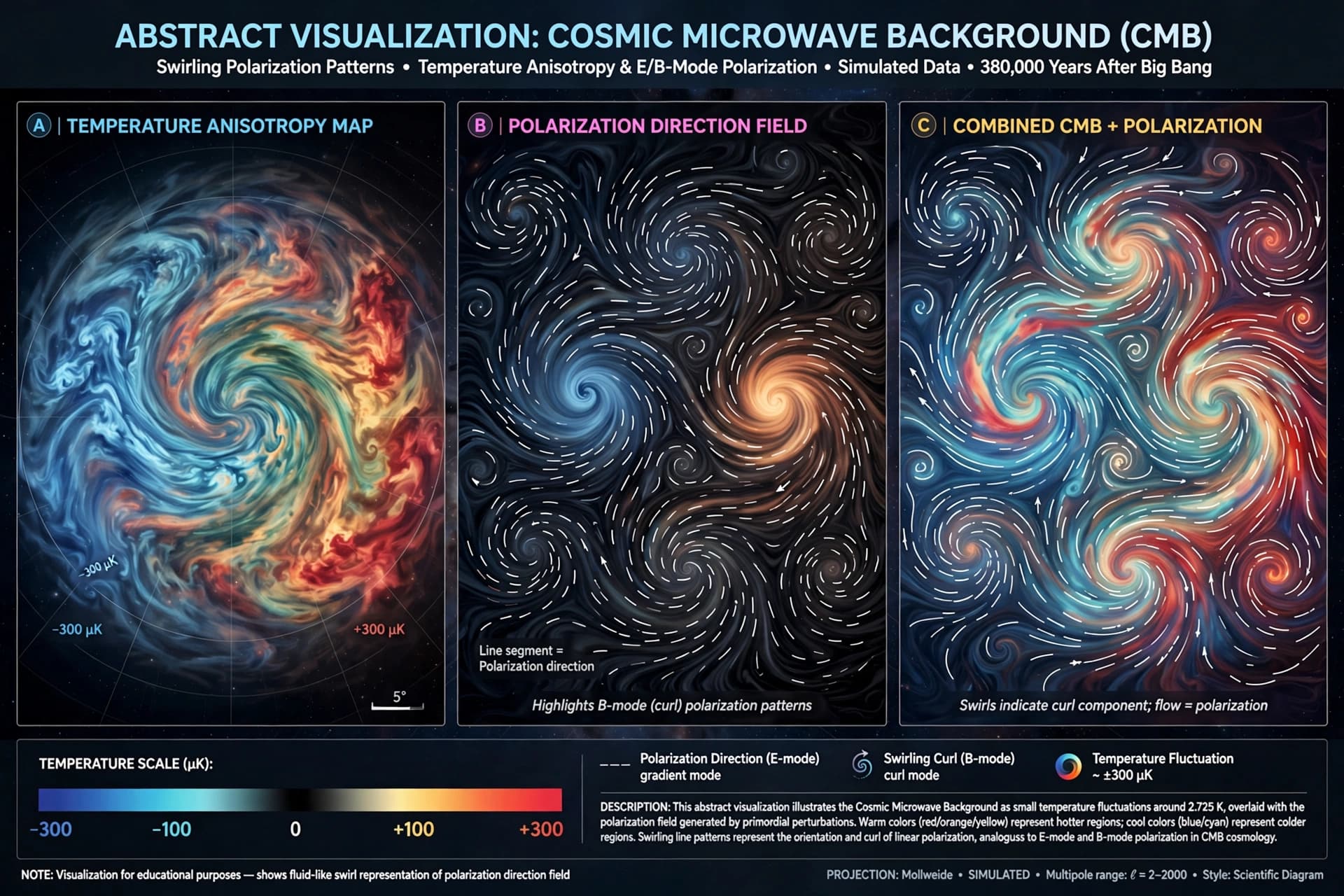
AI Image Disclaimer: The visual representations in this article are AI-generated illustrations depicting black holes and relativistic jets, not actual photographs or direct images of the specific astronomical object.
Sources: Nature Astronomy NASA Goddard Space Flight Center Live Science
Published by Banx Network. This article is part of the Banx decentralized media programme, powered by the BXE token on the XRP Ledger.