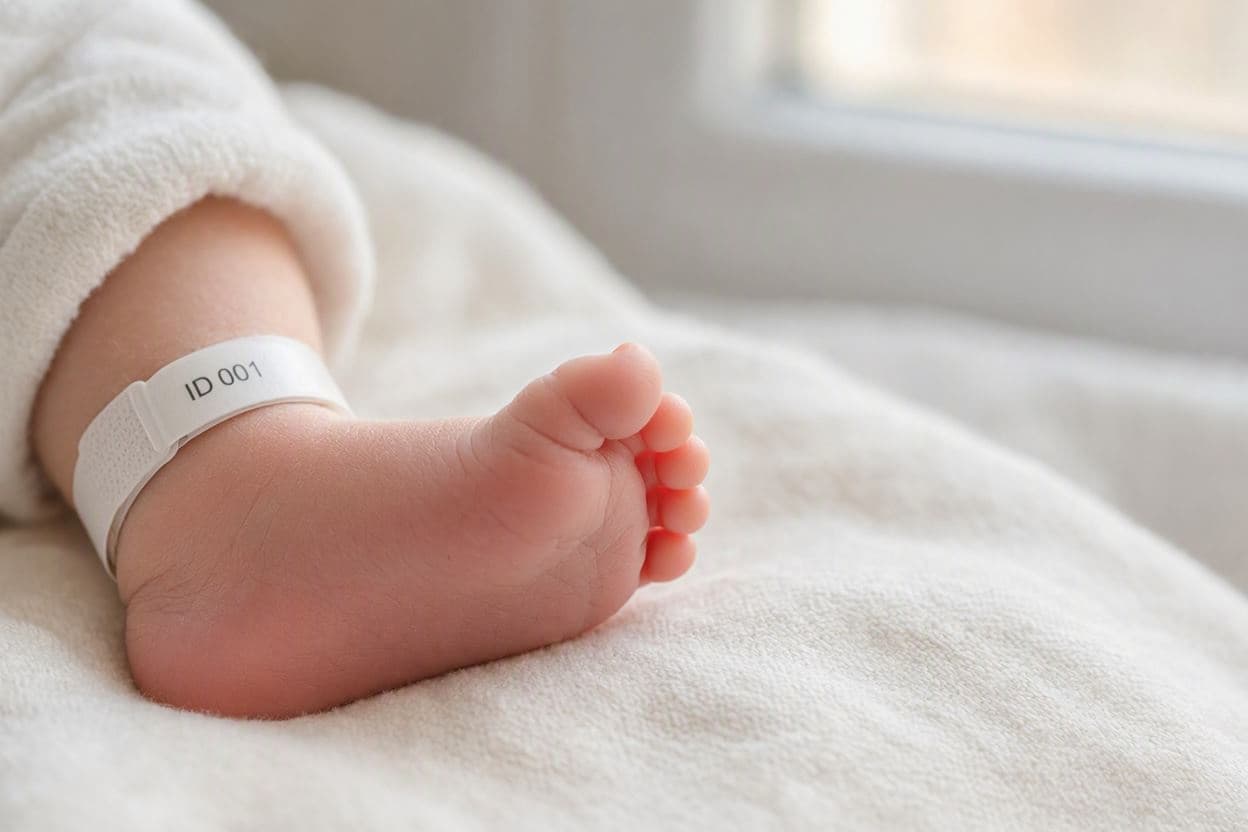
A newborn can pass every initial test with quiet ease, leaving the hospital in a car seat that seems too large, wrapped in blankets that smell of home. The hearing screen shows two clear responses. The pediatrician offers a nod and a smile. And yet, in roughly one in every three hundred births, a virus has already settled in—one that may not announce itself for months, or years, until a child's language delays or balance problems begin to ask questions no one thought to ask earlier. Sometimes the most consequential infections are the ones that arrive without a sound.
A three-year study led by researchers at the Hebrew University of Jerusalem and Hadassah Medical Center now suggests that screening every newborn, rather than only those with warning signs, could catch far more of these hidden cases. The research, published in The Lancet Infectious Diseases, screened 48,556 newborns—nearly 95 percent of babies born at two Hadassah hospitals between April 2022 and March 2025—and identified 176 infants with congenital cytomegalovirus, or cCMV .
The most striking finding was not the number of cases, but how many would have gone unnoticed under standard practice. Under targeted screening, babies are generally tested only when there is a reason to suspect CMV—a failed hearing test, visible signs of illness, or a known maternal infection during pregnancy. But 100 of the 176 babies with cCMV, or 57 percent, would not have qualified for that testing . They appeared healthy. They passed their hearing screens. There was no obvious reason to look closer.
That matters because congenital CMV is a leading cause of non-genetic hearing loss in children, and it can also affect neurological development. Some complications emerge only later, when the window for early intervention has already begun to close. Among the 100 babies who would have been missed without universal screening, eight were later found to have moderate to severe signs of cCMV, while three had hearing loss despite appearing otherwise asymptomatic. Eleven ultimately received antiviral treatment .
The study also addressed a practical obstacle: the burden that testing every newborn individually would place on hospital laboratories. The researchers adapted a pooled-testing method originally developed during the COVID-19 pandemic, combining saliva samples from several babies into a single PCR test. If a pooled sample returned positive, the individual babies were investigated further, with positive saliva results confirmed through urine testing. This approach reduced the number of laboratory tests required by 83 percent compared with testing each sample separately, while maintaining high sensitivity and allowing nearly 95 percent of newborns to be screened .
The findings arrive as interest in universal cCMV screening has been growing. At least three newborn screening programs in Canada and the United States are currently screening for the infection, and a one-year pilot study funded by the National Institutes of Health screened dried blood spots from newborns in New York State for cCMV between October 2023 and September 2024 . Questions remain about the best clinical sample and the risk of false positives, which saliva testing can produce and which make confirmatory urine testing necessary . But the direction of the evidence is becoming clearer.
A large three-year study found that more than half of babies with congenital CMV would be missed by targeted screening because they appeared healthy at birth. Universal saliva-based screening, using pooled testing to reduce laboratory burden, identified 176 cases among nearly 48,600 newborns. The researchers say the findings strengthen the case for routine screening.
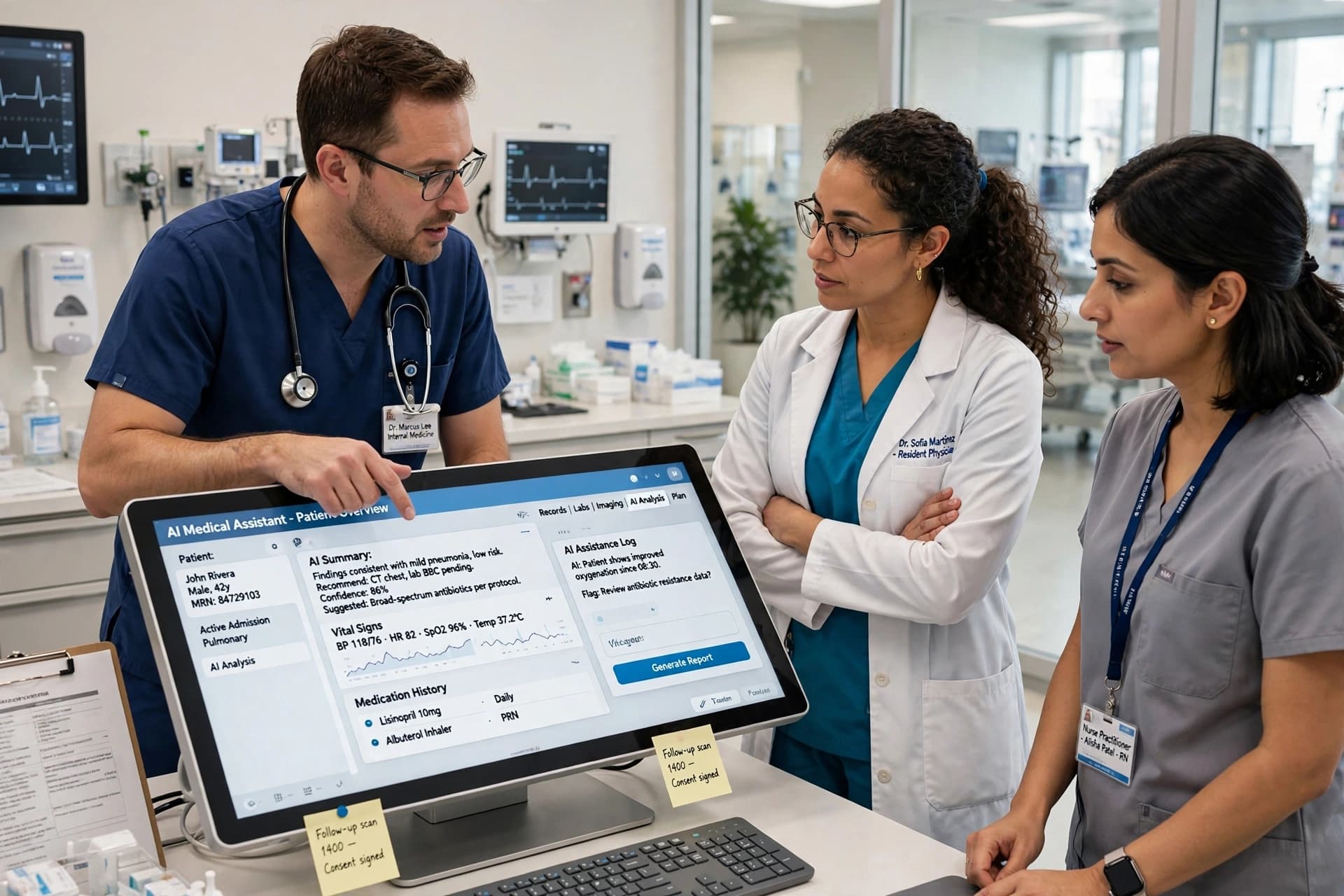
AI Image Disclaimer: The images in this article are AI-generated and are for illustrative purposes only. They do not depict actual patients or clinical settings.
Sources: EurekAlert!, The Lancet Infectious Diseases, Hebrew University of Jerusalem, Hadassah Medical Center, JAMA Network Open
Published by Banx Network. This article is part of the Banx decentralized media programme, powered by the BXE token on the XRP Ledger.