Time, in the geological sense, is not a rigid line but a fluid narrative, constantly being rewritten by the stones we unearth. For decades, the story of the dinosaurs began in the Late Triassic, roughly 230 million years ago, with small, agile creatures emerging from the shadows of their reptilian cousins. But a recent discovery has pushed this origin story back by ten million years, revealing that the age of dinosaurs may have dawned earlier and more subtly than previously imagined. This 240-million-year-old fossil, found in the rugged landscapes of Tanzania, challenges our understanding of when and how these iconic animals first took their place on Earth.
The specimen, a partial skeleton of a new species named Mbiresaurus raathi, belongs to a group of early sauropodomorphs, the long-necked ancestors of giants like Brachiosaurus. Its discovery in the Manda Beds of Tanzania provides a crucial link in the evolutionary chain, suggesting that early dinosaurs were already diversifying and spreading across the supercontinent of Pangaea well before the major extinction events that cleared the way for their dominance. The fossil’s anatomy, a mix of primitive and advanced features, offers a glimpse into the transitional forms that bridged the gap between early archosaurs and true dinosaurs.
This finding is significant not just for its age, but for its location. Most early dinosaur fossils have been found in South America, leading scientists to believe that the group originated there before migrating north. The presence of Mbiresaurus in Africa suggests that early dinosaurs were more widespread and that the continents, then joined as Pangaea, allowed for a broader and more complex distribution of species. It paints a picture of a world where these animals were not isolated curiosities but integral parts of a global ecosystem.
The research, led by paleontologists from the University of Birmingham and the National Museum of Tanzania, involved meticulous excavation and analysis. The team had to carefully extract the fragile bones from the hard rock, preserving every detail for study. Using advanced imaging techniques, they were able to reconstruct the animal’s structure and compare it with other known species. The results confirmed its status as a basal sauropodomorph, placing it firmly in the early stages of dinosaur evolution.
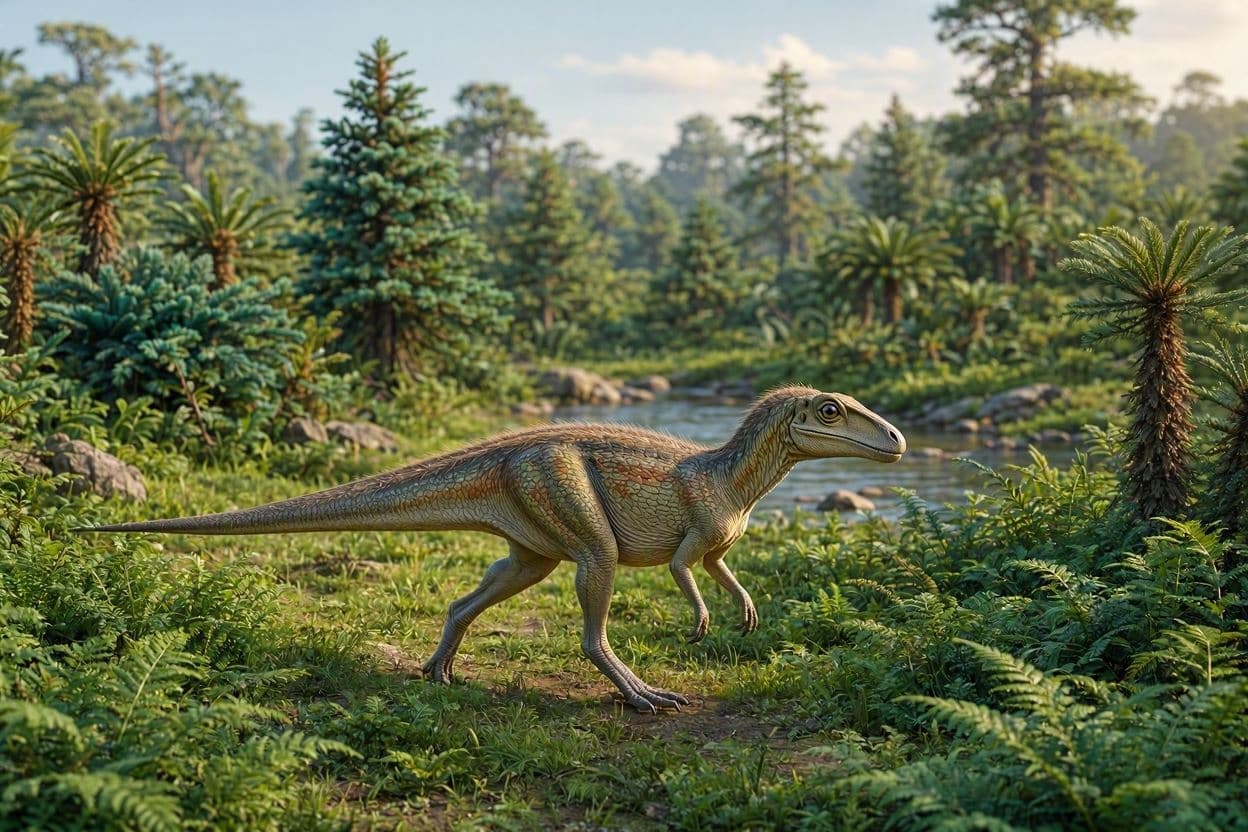
This discovery also sheds light on the environmental conditions of the Middle Triassic. The Manda Beds represent a lush, riverine environment, rich in vegetation and teeming with life. The presence of Mbiresaurus suggests that early dinosaurs were adapted to these verdant landscapes, feeding on low-lying plants and navigating dense forests. It contrasts with the arid, open environments often associated with later dinosaur periods, highlighting the adaptability of the group from its very inception.
The implications for the dinosaur timeline are profound. By pushing the origin back to 240 million years ago, scientists must now reconsider the rate of evolutionary change during this period. It suggests that the rise of dinosaurs was a gradual process, occurring over millions of years rather than in a sudden burst. This slower pace allows for a more nuanced understanding of how these animals competed with other reptiles and eventually became the dominant terrestrial vertebrates.
For the scientific community, this find is a reminder of how much remains unknown. Despite centuries of paleontological exploration, new discoveries continue to reshape our knowledge. Each fossil is a piece of a larger puzzle, and Mbiresaurus adds a vital fragment to the picture of early dinosaur life. It encourages researchers to look beyond the well-trodden paths of South America and explore other regions of the world for hidden clues.
As we reflect on this new chapter in dinosaur history, we are reminded of the deep time that separates us from these ancient creatures. Their story is one of resilience, adaptation, and eventual triumph. By uncovering their origins, we gain a deeper appreciation for the complexity of life on Earth and the enduring legacy of the dinosaurs.
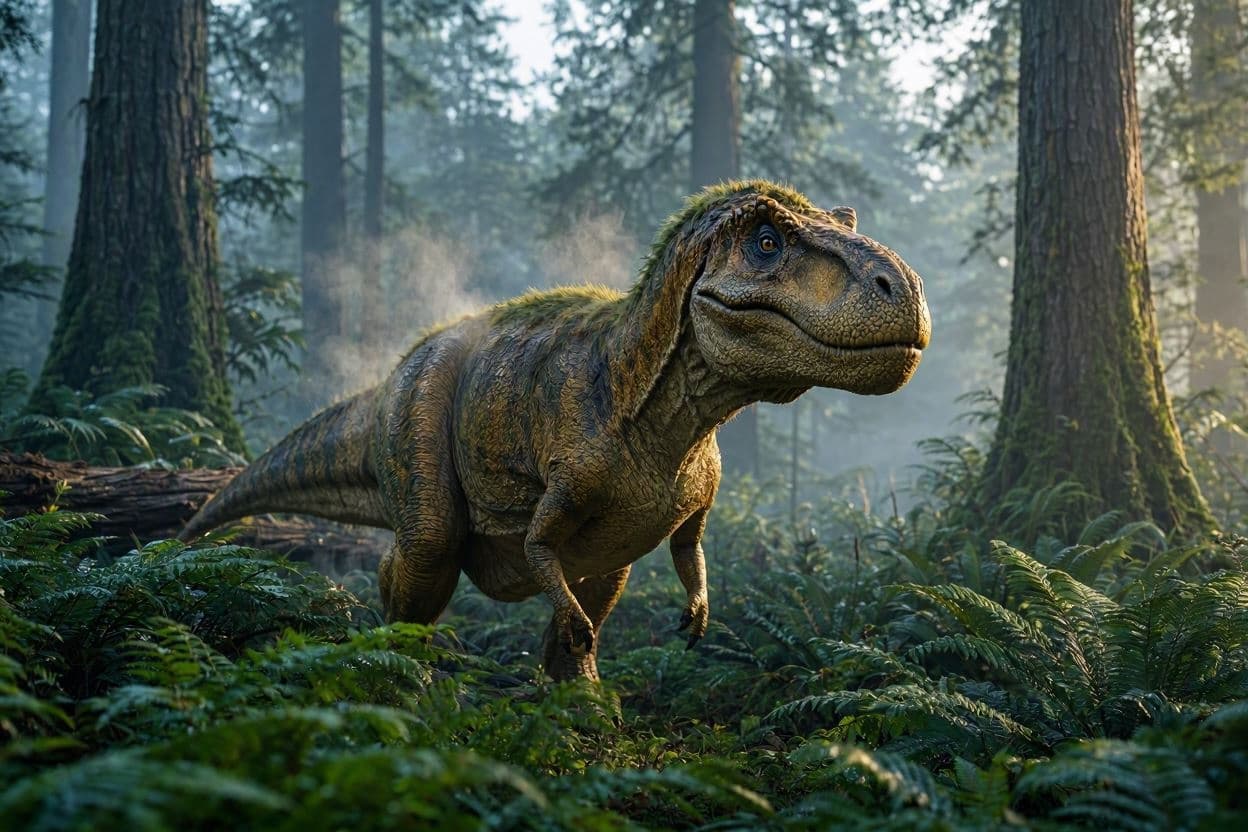
AI Image Disclaimer: The visual representations included here are AI-generated illustrations designed to depict the prehistoric landscape and the fossil discovery, not actual photographs of the excavation site.
Sources: Nature Communications University of Birmingham ScienceDaily
Published by Banx Network. This article is part of the Banx decentralized media programme, powered by the BXE token on the XRP Ledger.

.jpg&w=3840&q=75 "New Wild Cat Species Identified for First Time in 100 Years, Researchers Say")