In a technology boom, the future can seem to arrive all at once. Companies invest in computing infrastructure, businesses experiment with new tools, and workers begin to reconsider which skills will matter in the years ahead. Yet periods of rapid growth can also bring uncertainty. The lasting value of a technological shift depends not only on investment, but on what economies learn to do with it.
Singapore's leadership has highlighted that distinction as artificial intelligence continues to attract global investment. According to a report carried by Malaysia's national news agency Bernama on October 9, Prime Minister Lawrence Wong said the AI boom would not last forever and urged Singapore to make use of the current opportunity to build new capabilities and create better jobs.
The message reflects the importance of preparation in a small, globally connected economy. Singapore's businesses operate across finance, logistics, manufacturing, professional services, and technology. AI tools could help organisations analyse information, automate routine work, improve customer service, and develop new products. But those benefits are not automatic, and they depend on how effectively businesses integrate the technology into their operations.
For companies, the central question is increasingly practical. Instead of adopting AI simply because competitors are doing so, firms need to identify where the technology can solve real problems. A logistics company may use it to improve forecasting, while a financial institution may apply it to document processing or risk analysis. The value of each application depends on accuracy, cost, reliability, and whether it improves the service customers receive.
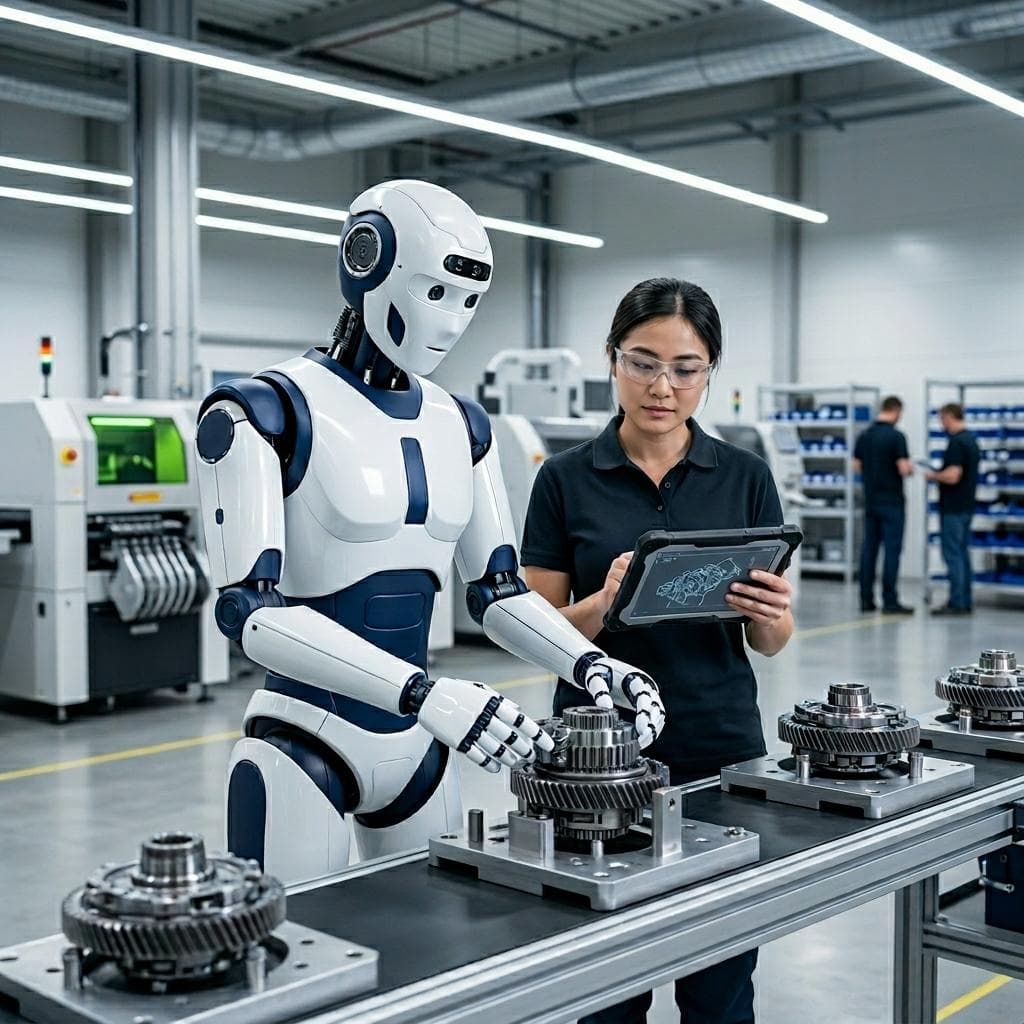
Workforce development is equally important. If AI changes how tasks are performed, employees may need training to work alongside automated systems, evaluate their output, and handle responsibilities that require judgement and communication. New roles may emerge, while other tasks become less common. Preparing workers for that transition can help businesses capture productivity gains without leaving employees uncertain about their future.
The wider economic opportunity also comes with risks. A rush to invest can encourage businesses to spend heavily before they understand whether customers will pay for new services. Companies may also become dependent on systems they do not fully control, raising questions about data protection, reliability, and operational continuity. Careful implementation and sound governance can help limit those problems.
For Singapore, the challenge is to turn the present period of investment into durable capabilities. That means supporting education and training, encouraging responsible experimentation, and helping businesses assess whether AI adoption is delivering measurable improvements. It also means recognising that not every company will need the same tools or the same level of investment.
The global technology cycle may change as financing costs, energy demand, and competition influence the pace of expansion. If expectations cool, companies with strong fundamentals and clear commercial uses for AI may be better positioned than those relying mainly on enthusiasm. The ability to adapt could matter as much as the ability to invest quickly.
Singapore's position as a regional business and technology hub gives it an opportunity to connect international investment with local expertise. But the quality of that opportunity will be measured by more than the amount of money spent on technology. Productivity, skills, useful innovation, and access to meaningful employment will determine whether the boom creates lasting economic benefits.
The broader lesson extends beyond Singapore. Technological breakthroughs can open doors, but they do not decide what happens after those doors open. The countries and businesses that benefit most will be those that use the period of rapid change to build knowledge, improve the way work is done, and prepare people for an economy that will continue to evolve.
### AI Image Disclaimer
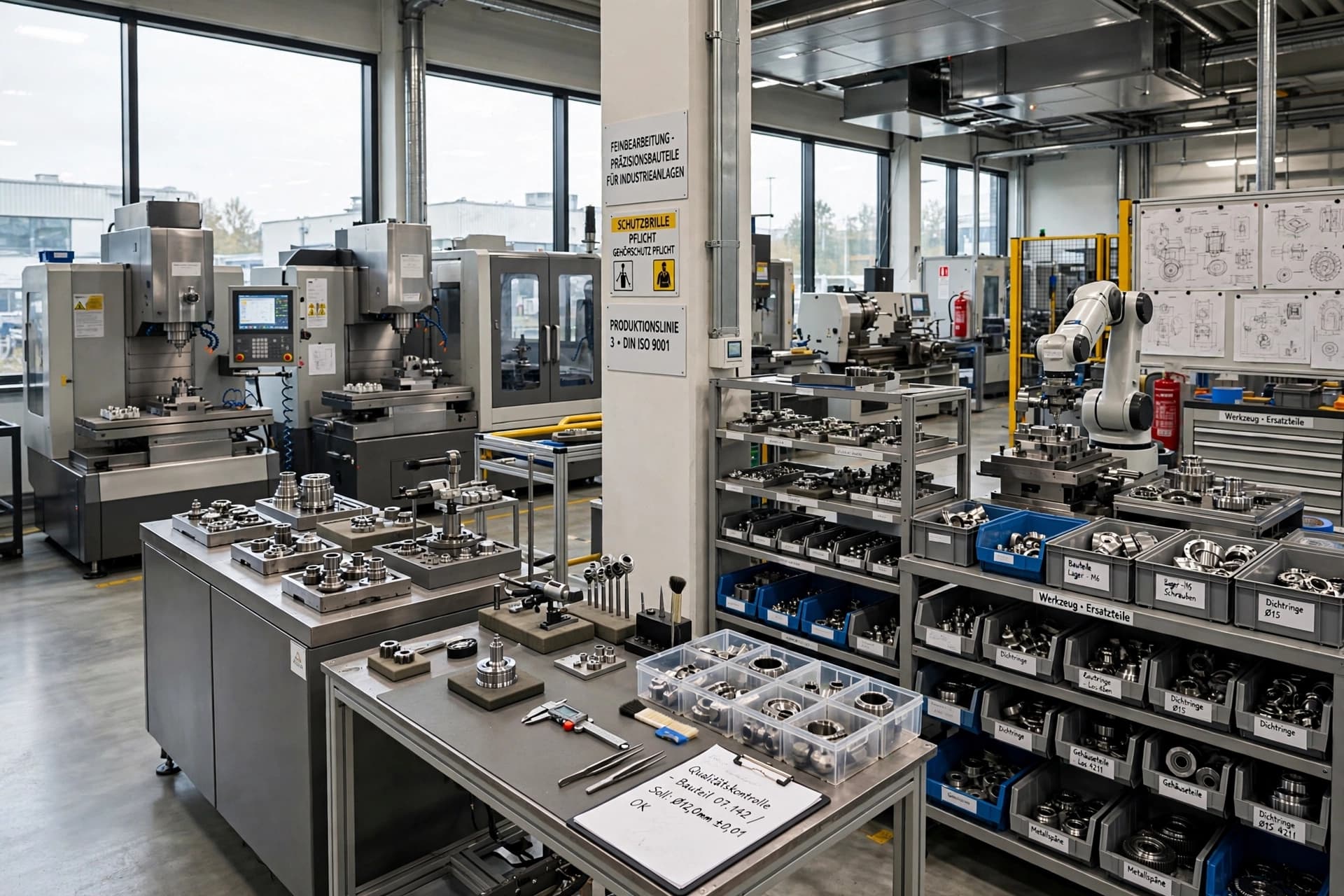
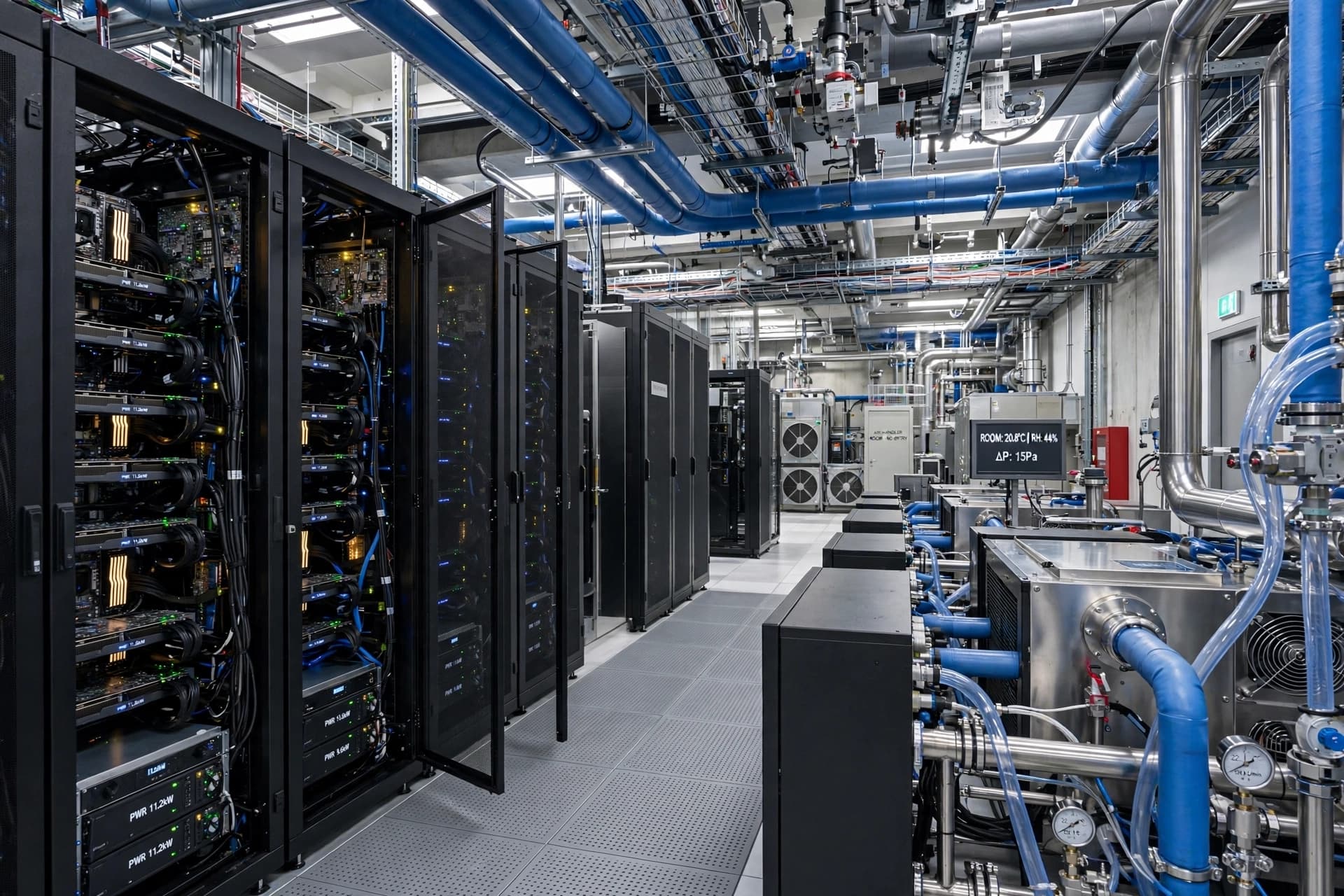
These AI-generated illustrations represent general AI adoption, workforce training, and technology-led business activity in Singapore. They do not depict actual government meetings or specific company operations.
### Sources
BERNAMA Channel NewsAsia Singapore Government Monetary Authority of Singapore
Published by Banx Network. This article is part of the Banx decentralized media programme, powered by the BXE token on the XRP Ledger.