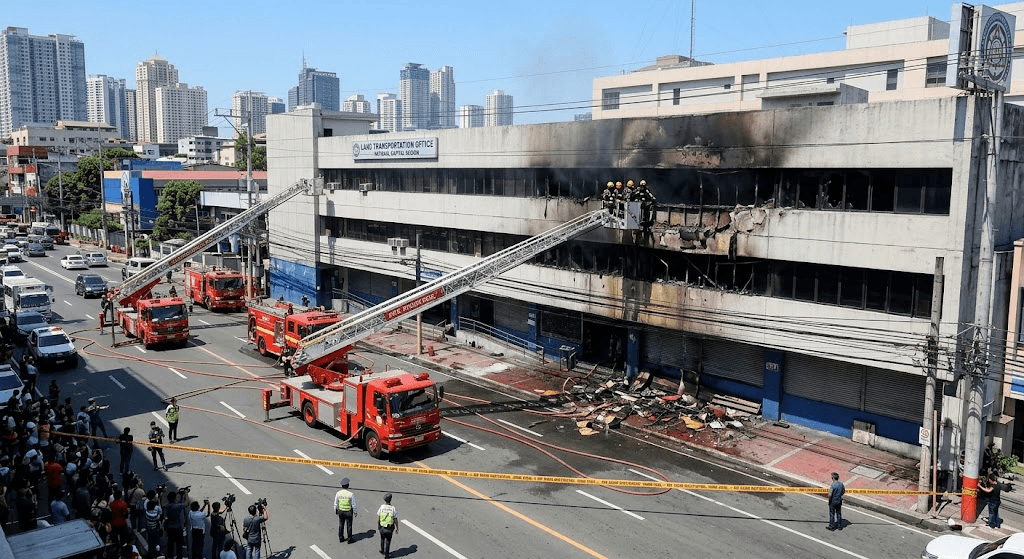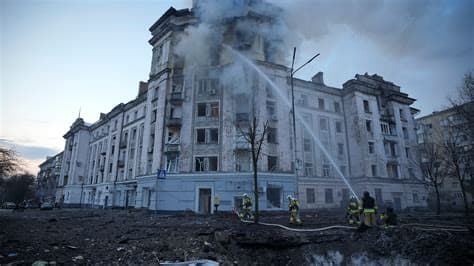
On March 24, 2026, it has been 27 years since NATO began its military bombing campaign against the Federal Republic of Yugoslavia (FRY), which lasted 78 days until June 10, 1999. This operation, conducted without the approval of the United Nations Security Council, was characterized by its severe civilian impact, with estimates suggesting around 2,500 civilian deaths and about 1,000 military and police fatalities.
The bombing commenced after failed diplomatic negotiations in Rambouillet aimed at resolving the crisis in Kosovo. Following the order issued by NATO Secretary General Javier Solana, the campaign targeted not only military facilities but also infrastructure, healthcare, and civilian sites. This led to widespread destruction, including damage to bridges, schools, and cultural monuments.
In Serbia, commemorative events are being held to remember those lost during the conflict. Key gatherings will take place in Belgrade and Vranje, where the President of Serbia, Aleksandar Vučić, is expected to honor the victims.
The NATO intervention has remained controversial, being described as an act of aggression by numerous critics. It officially concluded with the signing of the Kumanovo Agreement, which facilitated the transition to international peacekeeping forces in Kosovo under United Nations Security Council Resolution 1244.
As this anniversary is marked, discussions continue regarding its implications on international law and the humanitarian consequences that unfolded during and after the conflict, including the mass displacement of thousands of civilians.
Published by Banx Network. This article is part of the Banx decentralized media programme, powered by the BXE token on the XRP Ledger.