In a crowded city, sunlight reaches many surfaces that have never been designed to produce electricity. It falls across office windows, apartment facades, shopping centers, and glass-covered walkways. Traditional solar panels usually need dedicated installation areas, but researchers and manufacturers are exploring whether some of these everyday surfaces can serve another purpose. A window, in this vision, could remain part of a building's architecture while also collecting energy.
Panasonic Holdings announced on October 20, 2026, that it would bring forward its planned mass production of glass-based perovskite solar cells by one year. The company now aims to begin large-scale production in April 2029 at a facility being developed in Nagahama, Shiga Prefecture, Japan. Its earlier plan had targeted production during fiscal 2030.
The technology is designed to integrate solar cells into glass, allowing electricity generation from surfaces such as windows and exterior walls. Panasonic says the products can be customized in size, transparency, and design. That flexibility could make them relevant to buildings where conventional rooftop panels are difficult to install or where the available roof area is limited.
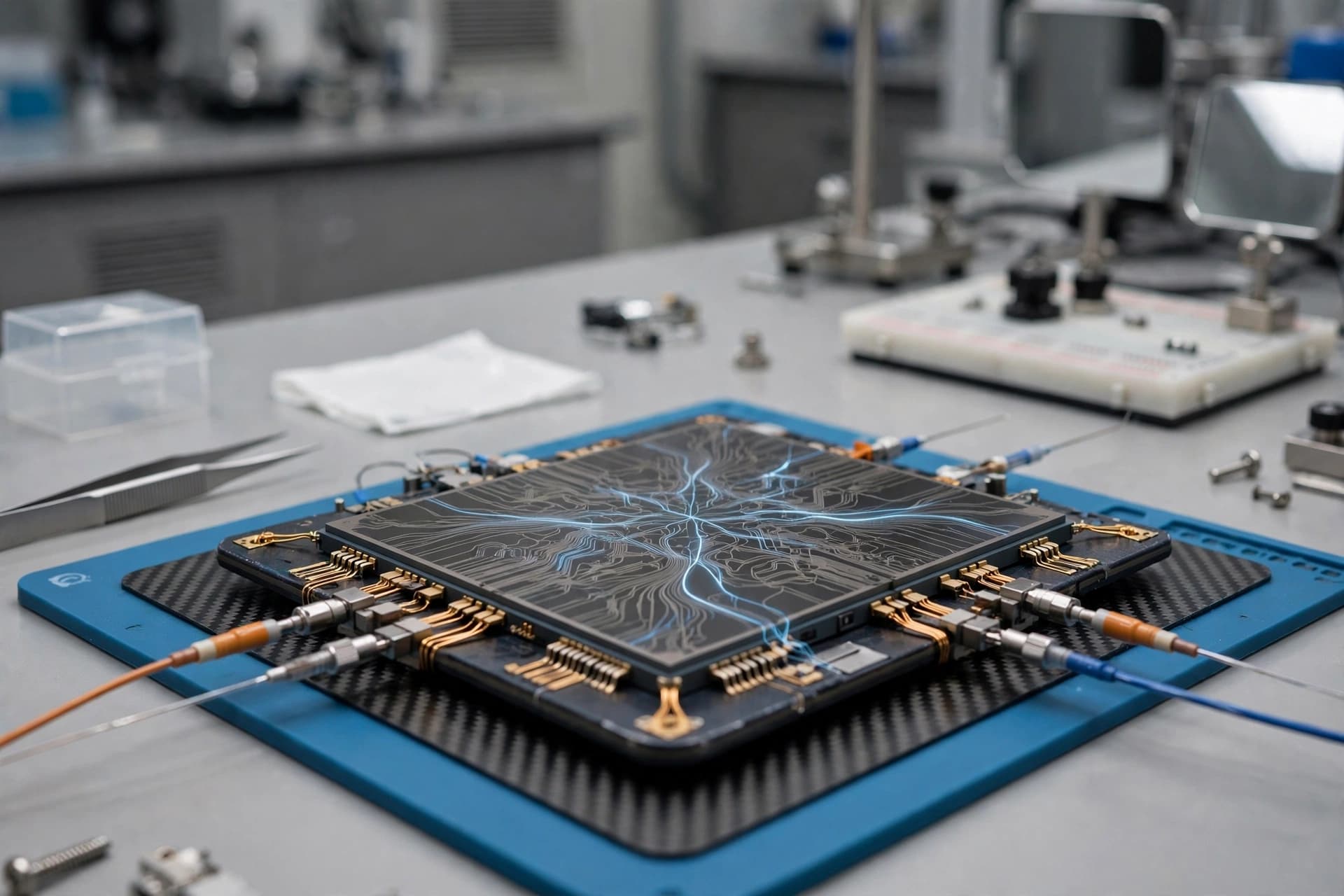
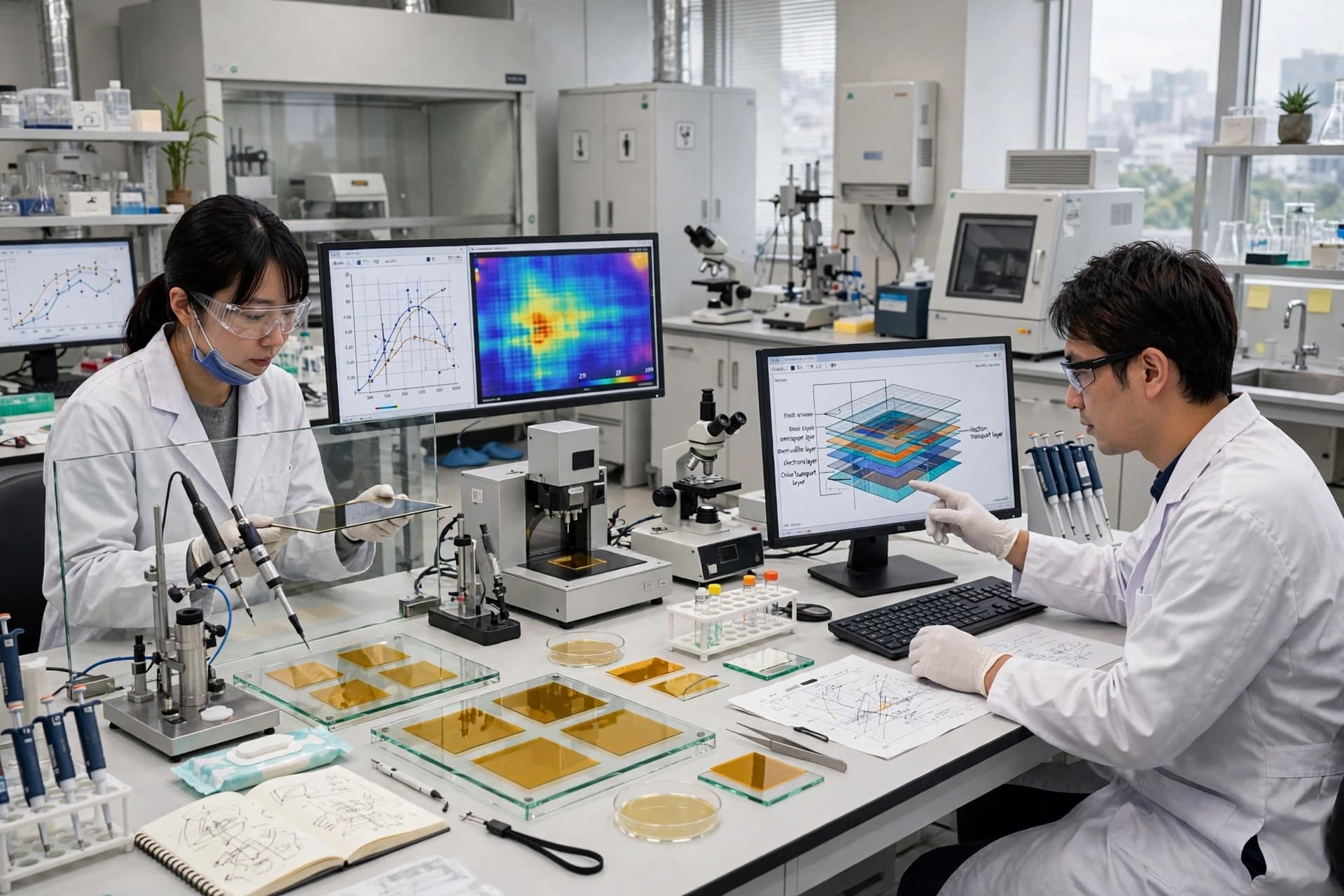
The material at the center of the project is perovskite, a class of compounds that has attracted attention in solar research. Perovskite solar cells can be manufactured in thin layers and may offer flexibility in how solar technology is incorporated into products. Researchers and manufacturers are still working to address challenges involving long-term durability, production consistency, and the costs of bringing these systems to market.
Panasonic had already begun selling early production units in September 2026, according to its announcement. These units were produced at the company's development site in Moriguchi, Osaka Prefecture. The initial sales are intended to support customer installations and help the company build practical experience with installation and operation before production expands at the Nagahama facility.
The potential appeal is particularly clear in urban areas. High-rise buildings may have relatively little roof space compared with the amount of glass on their windows and facades. If building-integrated solar cells can generate electricity reliably without compromising their architectural function, they could provide another source of renewable energy within existing city footprints. Their contribution would vary with the building's orientation, shading, glass area, and the performance of the installed system.
Yet glass-based solar technology faces commercial hurdles. The cost of the product, the complexity of installation, the efficiency of energy conversion, and the ability to withstand years of weather exposure all influence whether developers will adopt it widely. Conventional silicon solar panels already benefit from mature supply chains and extensive manufacturing experience. A newer technology must demonstrate advantages that justify its price and technical requirements.
Japan's interest in the field is connected to its broader search for additional renewable energy options. Dense urban development and mountainous terrain can limit the availability of suitable land for conventional solar installations. Integrating generation into buildings may expand the number of surfaces available for harvesting sunlight, although it is unlikely to replace other renewable technologies on its own.
Moving the production timetable forward is a sign of Panasonic's confidence in the development process, but the announcement is not evidence that large-scale commercial deployment has already been achieved. The Nagahama facility is being prepared for future production, and the technology will still need to demonstrate reliability, manufacturing consistency, and demand at scale.
For architects, building owners, and energy planners, the next few years will help determine whether solar glass can become a practical part of modern construction. The idea is straightforward: let buildings do more with the sunlight already reaching them. Making that idea economical and durable is the harder work still underway.
Panasonic said on October 20, 2026, that it planned to begin mass production of glass-based perovskite solar cells in April 2029 at its Nagahama site, a year earlier than previously planned. The company had started selling early production units in September 2026.
### Image Disclaimer
These AI-generated illustrations are conceptual visualizations of building-integrated solar technology. They do not depict a completed Panasonic installation or guarantee the performance of a real product.
### Sources
• The Japan Times
• Bloomberg
• Panasonic Holdings
• 家電 Watch
• EE Times Japan
Published by Banx Network. This article is part of the Banx decentralized media programme, powered by the BXE token on the XRP Ledger.