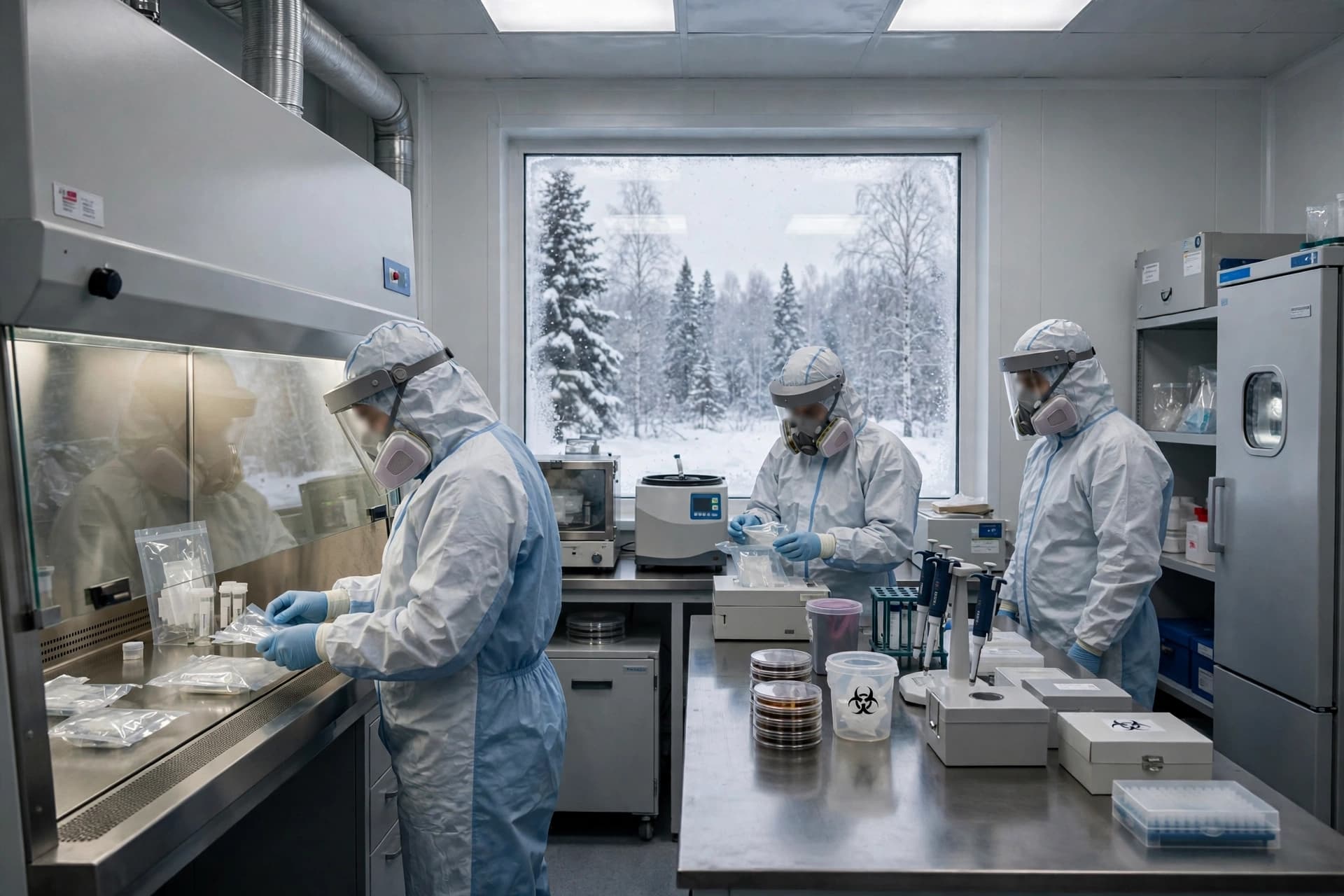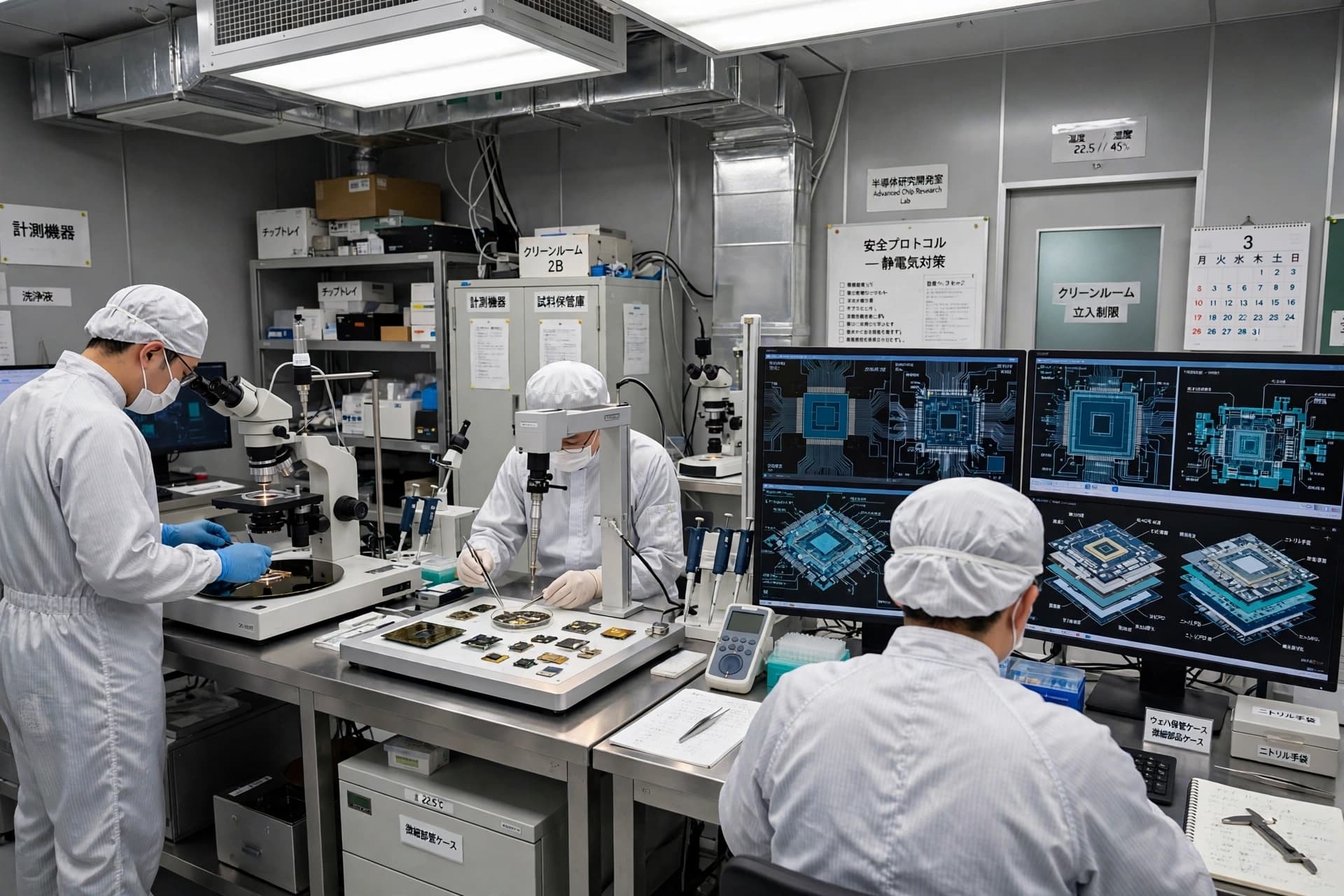
Inside a semiconductor factory, the objects at the center of the work are almost impossibly small. Yet the chips produced there help power cars, medical equipment, communication networks, and the computing systems behind artificial intelligence. Their importance has turned semiconductor manufacturing into a strategic industry, where decisions about investment and production can influence the economic future of countries far beyond the factory gates.
Japan is pursuing a renewed role in this industry while also committing substantial resources to semiconductor production in the United States. In a report published on October 20, 2026, Reuters said Japan would invest up to $21 billion in two chip factories planned by GlobalFoundries in New York state. The investment forms part of a broader $550 billion investment pledge involving the United States and Japan, agreed in 2025 in connection with trade arrangements.
The arrangement reflects the increasingly international nature of semiconductor manufacturing. A chip may be designed in one country, manufactured in another, and incorporated into products assembled across several more. Companies depend on specialized equipment, materials, skilled workers, and reliable suppliers. Expanding production in one location can therefore affect a much wider network of businesses and customers.
For Japan, however, overseas investment sits alongside a domestic ambition: rebuilding its own semiconductor manufacturing capabilities. The country was once a major force in the global chip industry, but its position changed as competitors developed new technologies and expanded production. The current effort seeks to strengthen domestic capacity and make supply chains more resilient as demand for computing power grows.
One central initiative is Rapidus, a Japanese semiconductor company aiming to manufacture advanced two-nanometer chips. Its plans have attracted significant public support, with mass production targeted for 2027. Reaching that goal will require the company to overcome technical challenges and demonstrate that it can manufacture chips consistently, at commercial scale, and at a cost that attracts customers. A production target is not the same as proof of long-term commercial success.
The American projects offer a different set of possibilities. Reuters reported that the New York investment could benefit Japanese equipment manufacturers and provide additional capacity for customers such as Renesas Electronics. Yet analysts have questioned how much the investment will contribute to Japan's own advanced manufacturing expertise or improve the resilience of production within its borders. The distinction between funding overseas capacity and building domestic capabilities remains important.
Financing such large projects also presents challenges. Reuters reported that Japanese public financing institutions and commercial banks were expected to participate, supported by export-credit guarantees. Arranging sufficient funding in U.S. dollars has proved complicated for some lenders, highlighting how currency requirements and financial conditions can influence the pace of industrial investment even when governments have announced ambitious commitments.
At the same time, Japan is supporting other semiconductor businesses and international partnerships. Its broader approach includes assistance for companies such as TSMC, Micron, and Kioxia, which have manufacturing or investment interests in Japan. Such partnerships can bring experience, equipment, and production capacity into the country, although their contribution depends on the specific technologies and activities established locally.
The global demand for chips has also been reshaped by artificial intelligence. Training and operating advanced AI systems require extensive computing infrastructure, encouraging investment in processors, memory, and supporting electronics. That demand creates opportunities for manufacturers, but it does not eliminate the risks associated with building factories that require years of planning and enormous capital commitments.
Japan's semiconductor strategy therefore follows two connected paths: supporting production abroad while trying to restore advanced manufacturing at home. The American investment may strengthen international commercial relationships, while domestic projects such as Rapidus are intended to develop capabilities within Japan. Whether the two approaches reinforce one another will depend on financing, technical execution, and the customers willing to commit to future production.
Reuters reported on October 20, 2026, that Japan planned to invest up to $21 billion in two proposed GlobalFoundries factories in New York. The investment is part of a wider commitment to the United States, while Japan continues to support domestic semiconductor initiatives, including Rapidus, which is targeting advanced-chip mass production in 2027.
### Image Disclaimer
These AI-generated illustrations depict semiconductor manufacturing and investment concepts. They are not photographs of the proposed New York factories or of Rapidus production facilities.
### Sources
• Reuters
• The Japan Times
• GlobalFoundries
• Rapidus
• Japan Bank for International Cooperation
Published by Banx Network. This article is part of the Banx decentralized media programme, powered by the BXE token on the XRP Ledger.