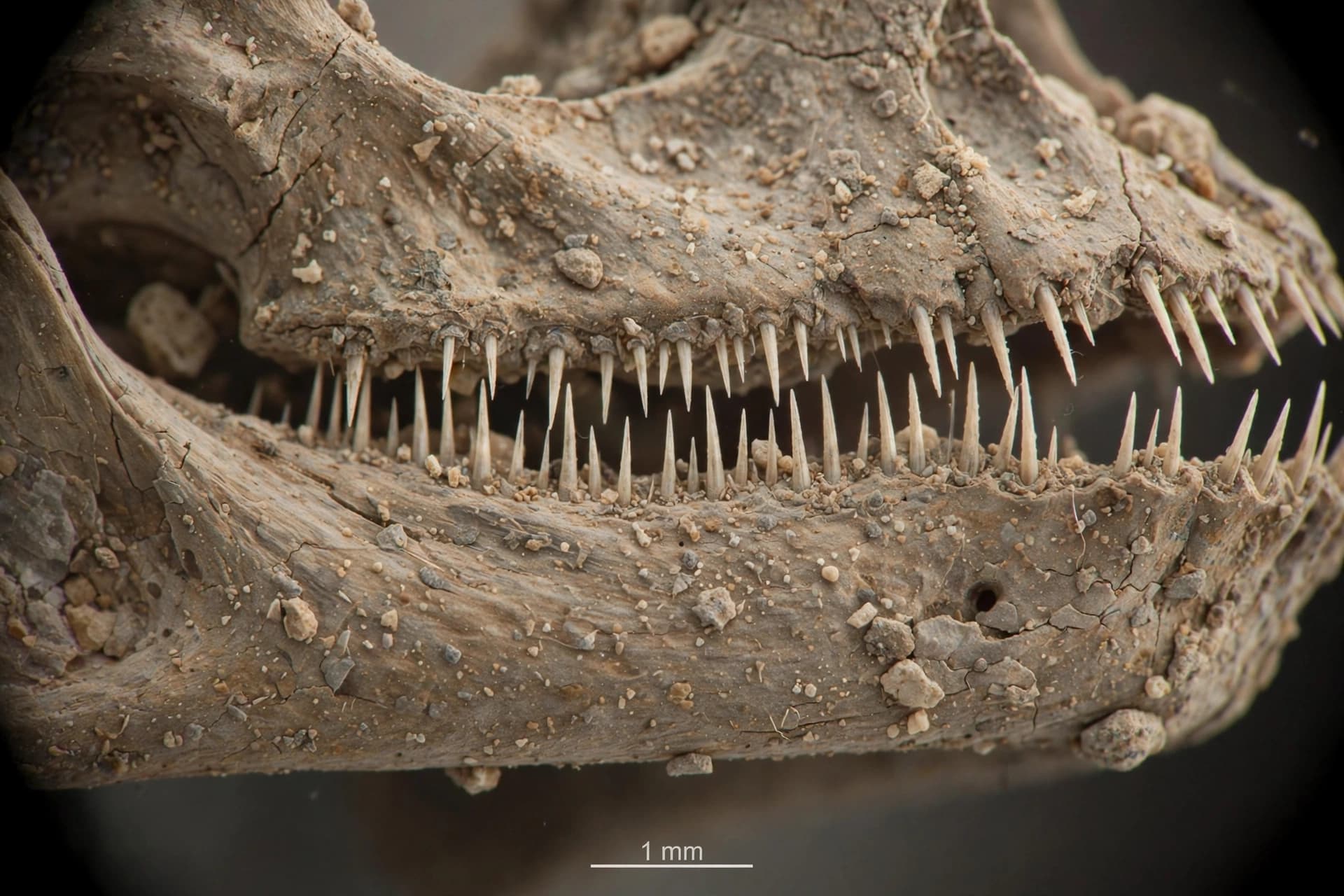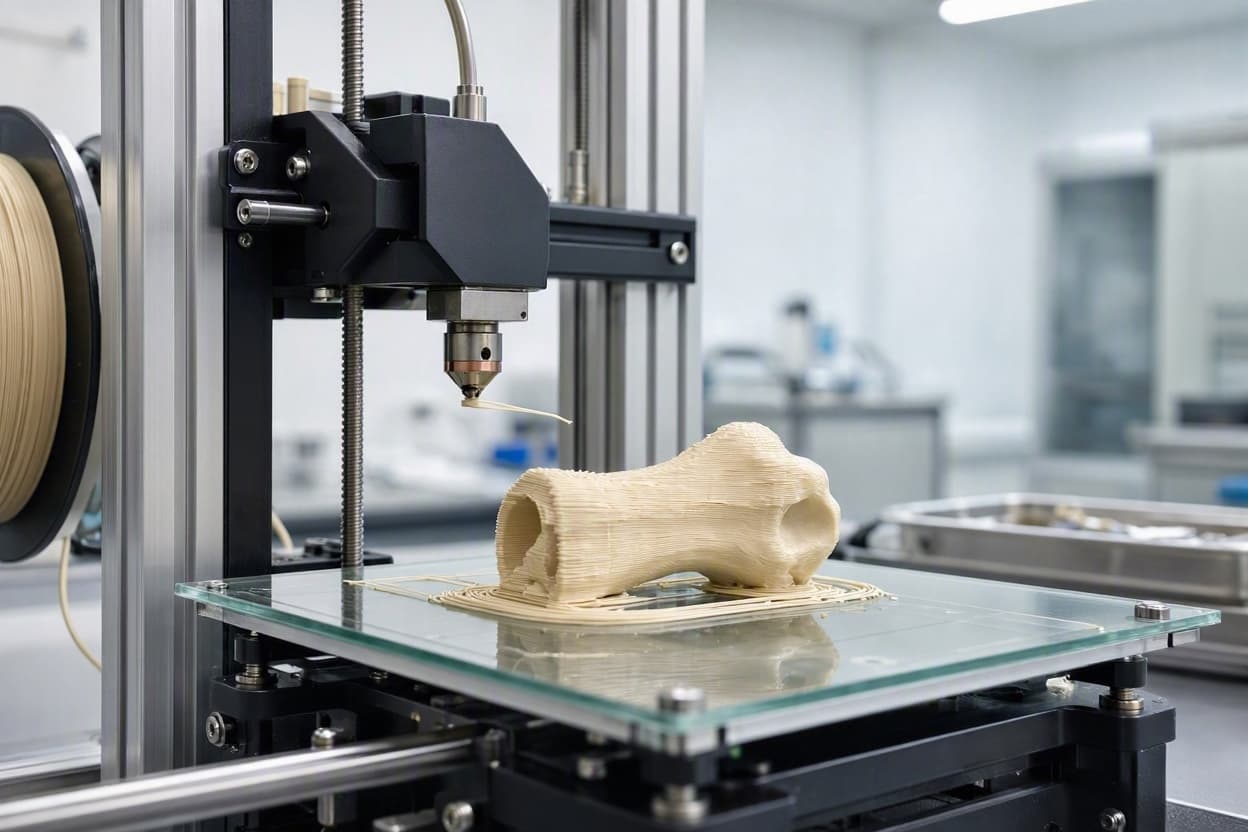
In a quiet laboratory, layers of plastic begin to fuse, building form from nothing. What emerges is not a toy or a prototype, but a tangible connection to the distant past: a precise replica of a dinosaur bone, 166 million years old. Using advanced 3D printing technology from Bambu Lab, researchers have reconstructed fragments of ancient history, bridging the gap between paleontology and modern manufacturing. This innovation is not just about replication; it is about accessibility, allowing scientists and the public to hold pieces of history that were once buried deep in rock.
The project began with the digital scanning of fragile fossil specimens, often too delicate to handle frequently. High-resolution CT scans captured every ridge and pore, creating a detailed virtual model. These digital files were then processed for 3D printing, using materials that mimic the texture and weight of real bone. The result is a durable, accurate replica that can be studied, shared, and displayed without risking damage to the original artifact.
Bambu Lab’s printers, known for their speed and precision, played a crucial role in this process. Their ability to handle complex geometries and fine details ensured that the subtle features of the fossil were preserved. This level of fidelity is essential for scientific analysis, as researchers rely on these morphological details to classify species and understand their biology. The technology transforms static data into interactive objects, enhancing the research experience.
For museums and educational institutions, these replicas offer new opportunities for engagement. Original fossils are often rare and restricted to secure storage, limiting public access. 3D printed copies can be distributed to schools, community centers, and other museums, democratizing knowledge and inspiring curiosity. Students can touch and examine structures that were previously only visible in textbooks, fostering a deeper connection to natural history.
The collaboration between technologists and paleontologists highlights the power of interdisciplinary work. By combining expertise in digital modeling, material science, and evolutionary biology, teams can solve problems that neither group could address alone. This synergy accelerates discovery and opens new avenues for preservation and study. It is a model for how modern tools can serve ancient sciences.
Moreover, the process aids in the reconstruction of incomplete specimens. Missing parts can be digitally modeled based on related species and printed to complete the skeleton. This virtual restoration allows scientists to visualize the animal’s full form, providing insights into its posture, movement, and behavior. It turns fragments into whole beings, restoring dignity to the dead.
The ethical considerations of replication are also important. Ensuring that replicas are clearly marked as such prevents confusion and maintains the value of original specimens. Transparency in the process builds trust and ensures that the technology is used responsibly. It complements rather than replaces the reverence due to authentic fossils.
The use of 3D printing to recreate dinosaur fossils is a testament to the transformative power of technology. By bringing the past into the present, it allows us to learn from history in new and tangible ways. As these methods become more widespread, they promise to enrich our understanding of life on Earth, one layer at a time.
AI Image Disclaimer: Visuals accompanying this article are AI-generated illustrations designed to complement the narrative and do not depict real-time events.
Sources: Bambu Lab Official Blog Science News Paleontology Society Reports TechCrunch 3D Printing Industry
Published by Banx Network. This article is part of the Banx decentralized media programme, powered by the BXE token on the XRP Ledger.