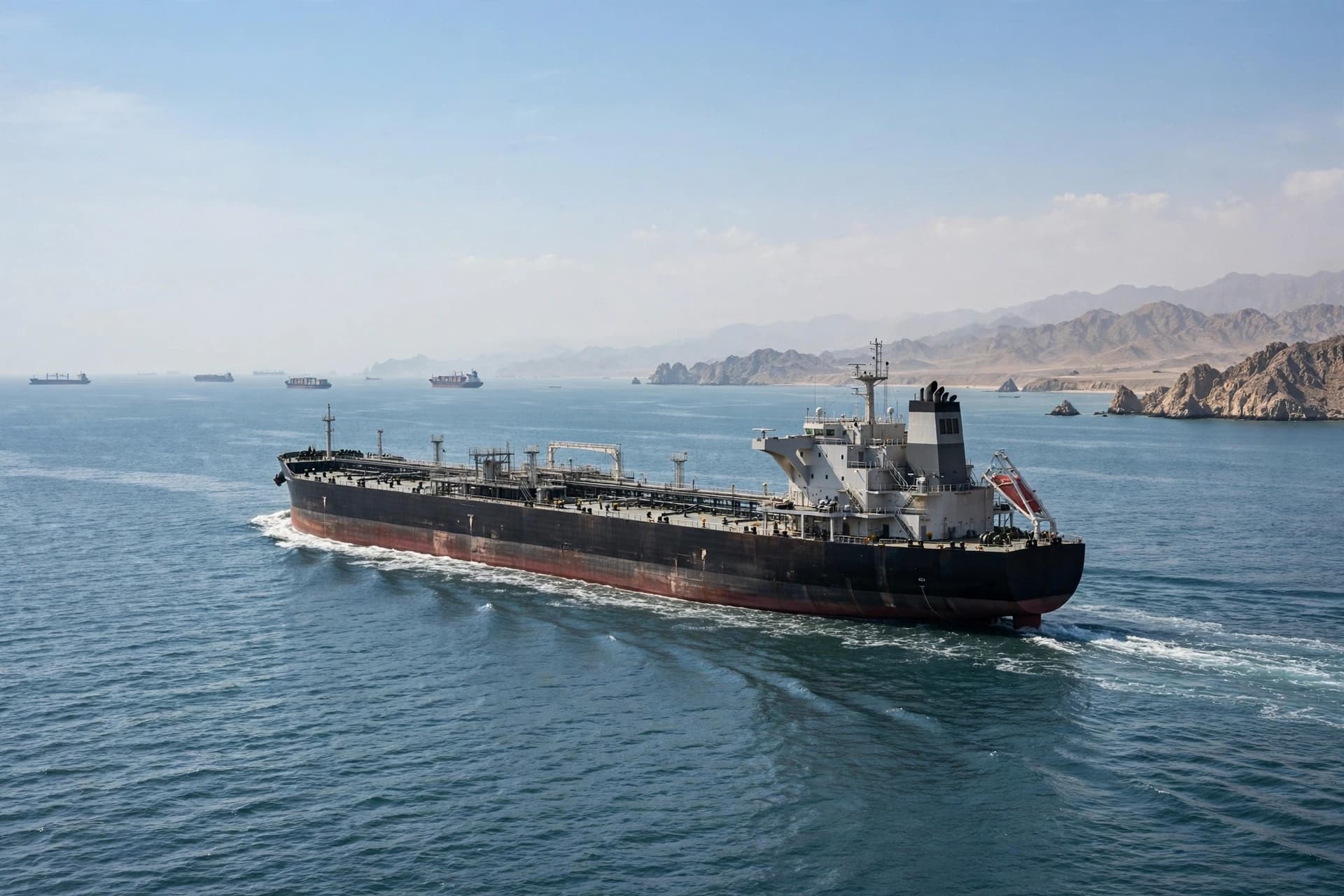
Recent reporting by Reuters has highlighted this complicated picture. Middle Eastern crude exports have recovered substantially, with September shipments at times exceeding levels recorded before the conflict. Yet the improvement in export volumes has not brought a comparable return to normality. Attacks on vessels and persistent security concerns have continued to unsettle shipping operations around the Strait of Hormuz, one of the world's most important energy corridors.
The difficulty is that supply and delivery are not the same thing. Oil may be available at a production site, but it cannot serve a refinery or household until it reaches the market. When shipping routes become dangerous, companies may have to change their schedules, arrange alternative transfers, or rely on longer and more complicated journeys. Each adjustment introduces additional expense and uncertainty.
Those costs can accumulate quickly. Reuters has reported that tanker rates on some Middle Eastern-to-Asian routes have risen sharply, while freight and insurance expenses have added pressure to the energy trade. In such circumstances, the final price of oil reflects not only its physical availability but also the risks involved in carrying it across the sea.
The renewed attacks have also complicated efforts to restore confidence in the region's shipping network. Even when vessels continue to pass through the strait, the possibility of another incident can influence decisions made by shipowners, insurers, traders, and energy companies. A route that remains technically open may still be commercially difficult to use when its costs and risks are unpredictable.
For consumers far from the Gulf, these developments can seem remote. Yet the consequences may travel through fuel distributors, transport companies, factories, and food supply chains. When energy and freight become more expensive, businesses must decide whether to absorb the additional costs or pass some of them to customers. The effects may arrive gradually, appearing in higher operating expenses before becoming visible in everyday prices.
Governments and producers have sought to maintain flows through alternative routes and adjustments to shipping operations. Such measures can soften the immediate effects of disruption, but they cannot eliminate the underlying uncertainty. Alternative infrastructure also has limits, and a route that works during one period may become less practical if security conditions change.
There is an important distinction between recovering activity and recovering stability. A rising export figure may suggest that trade is returning, but it does not necessarily mean that the system has regained its former efficiency. If each shipment requires more money, more coordination, or greater exposure to danger, the market can remain under pressure even while the volume of oil moving through it improves.
For now, the energy trade continues to navigate that contradiction. More oil may be reaching international buyers, but the journey remains costly and vulnerable to sudden interruption. Until shipping routes become more dependable, the global market is likely to keep weighing every improvement in supply against the risks that still lie along the way.
### AI Image Disclaimer
This article is accompanied by AI-generated illustrative imagery intended to represent maritime logistics and energy-market conditions; it does not depict a verified incident or specific vessel.
### Sources
Reuters International Energy Agency U.S. Energy Information Administration
Published by Banx Network. This article is part of the Banx decentralized media programme, powered by the BXE token on the XRP Ledger.