On October 24, 2026, Indonesia released two Bornean orangutans into their natural habitat in Ketapang, West Kalimantan. According to ANTARA News, the animals had previously been rescued from an oil palm plantation. Forestry Minister Raja Juli Antoni took part in the release alongside representatives of the Indonesian Orangutan Rehabilitation Initiative Foundation, known as YIARI, and local security personnel.
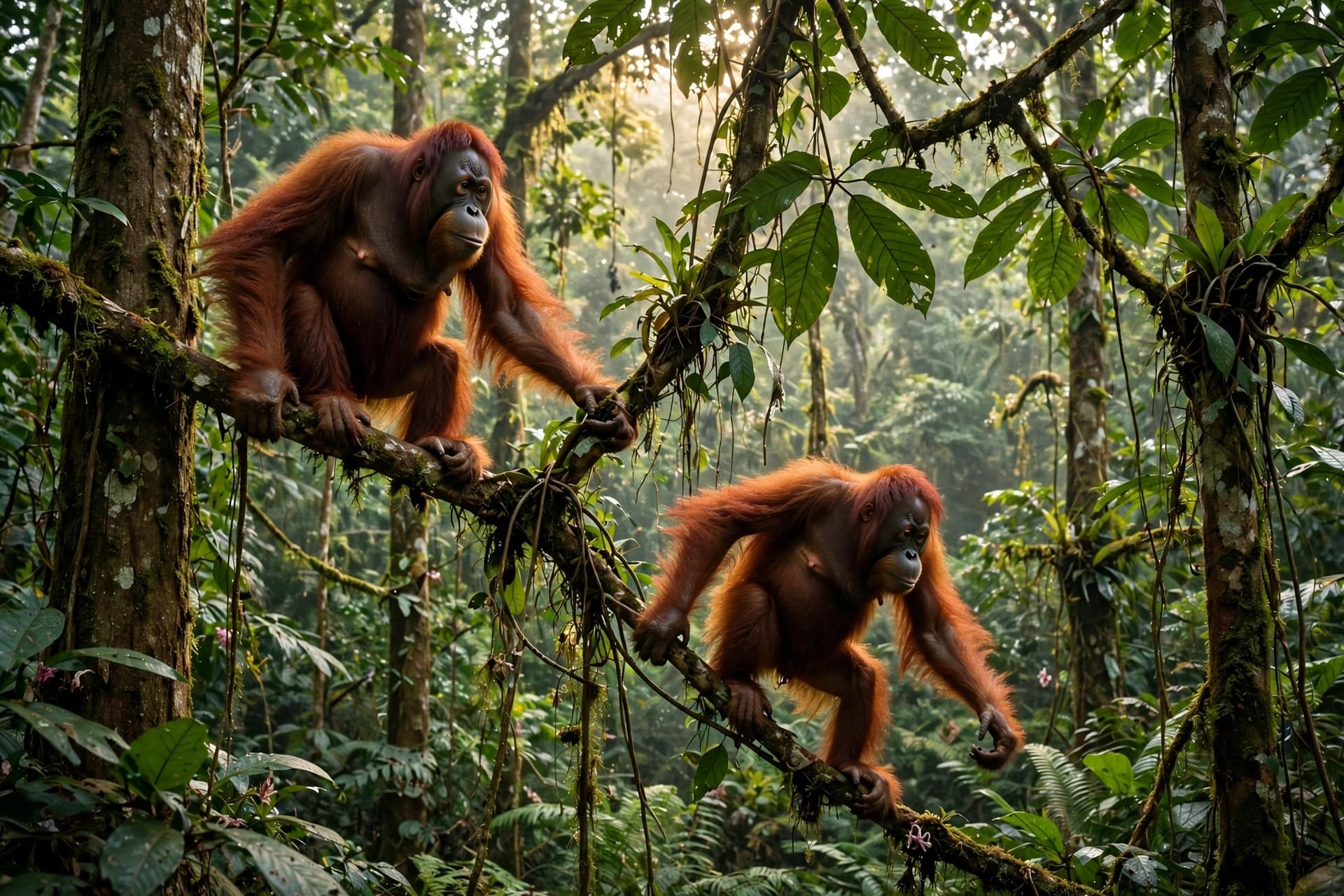
The Bornean orangutan, scientifically known as Pongo pygmaeus, is native to the island of Borneo. These great apes spend much of their lives in trees, where they search for fruit, build sleeping nests, and move through forest canopies. Their survival depends on connected habitats that provide sufficient food, shelter, and space for movement.
For an orangutan, a forest is more than a collection of trees. It is a network of feeding grounds, nesting sites, and familiar routes shaped by years of movement. When forest cover becomes fragmented, those routes can narrow or disappear. Animals may then enter plantations or other cultivated areas while searching for food, creating situations that require intervention by wildlife rescuers.
Oil palm cultivation is an important part of Indonesia's economy, providing employment and supporting domestic and international supply chains. At the same time, the expansion of agriculture into natural habitats has contributed to pressures on some wildlife populations. The environmental effects vary by location, depending on land-use history, remaining forest cover, and the quality of habitat protection.
Rescuing an orangutan is only one stage in a longer process. Wildlife teams may need to assess an animal's physical condition, provide veterinary treatment, support rehabilitation, and identify a suitable release site. The animal must also be capable of finding food, avoiding danger, and adapting to its surroundings after returning to the forest.
The choice of release location is therefore significant. A forest area must offer more than a green appearance from above; it needs adequate resources and a reasonable chance of supporting the animal over time. Monitoring after release can help conservation teams understand how an orangutan adapts and whether additional assistance is necessary.
Local communities are also part of the conservation picture. People living near forests may encounter wildlife while farming, collecting forest products, or traveling between settlements. Education, practical reporting channels, habitat protection, and cooperation between residents and conservation organizations can help reduce dangerous encounters while supporting the needs of both people and animals.
The release in Ketapang reflects ongoing efforts to return rescued orangutans to natural habitats. Yet an individual release cannot, by itself, resolve the larger challenge of protecting the forests on which the species depends. Long-term outcomes require continued attention to habitat connectivity, responsible land management, and the capacity of conservation teams to respond when animals are displaced.
The two orangutans were released on October 24 after being rescued from an oil palm plantation in Ketapang, West Kalimantan, according to Indonesia's Forestry Ministry and reporting by ANTARA News. The case highlights the continuing role of wildlife rescue and habitat management in orangutan conservation.
### Image Disclaimer
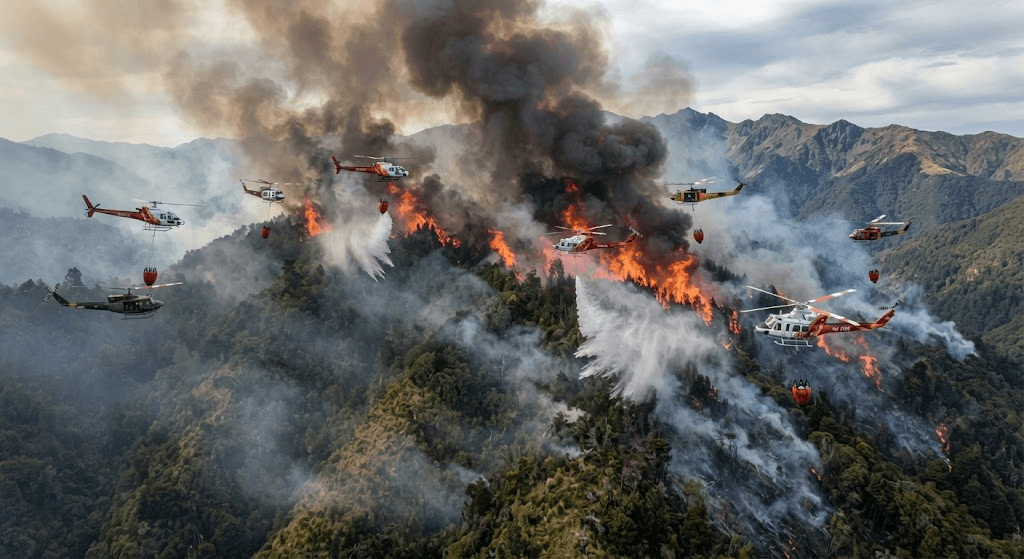
These AI-generated illustrations are conceptual representations of orangutan rescue and forest conservation, not photographs of the animals involved in this event.
### Sources
• ANTARA News
• Indonesia's Ministry of Forestry
• Yayasan Inisiasi Alam Rehabilitasi Indonesia (YIARI)
• World Wildlife Fund
• International Union for Conservation of Nature (IUCN)
Published by Banx Network. This article is part of the Banx decentralized media programme, powered by the BXE token on the XRP Ledger.