In many households, health is shaped by routines that seem ordinary: meals shared at the same table, the care offered to a relative, and the decisions families make when someone becomes ill. Yet some diseases can spread within these familiar spaces, creating challenges that extend beyond medical treatment. Tuberculosis remains one such challenge, prompting researchers to examine not only medicines and clinical care but also the conditions that may influence people's vulnerability to infection.
On October 22, 2026, the University of Indonesia launched the PHOTON study, short for Prevention of Household Tuberculosis with Optimal Nutrition. The research is being conducted in Indonesia and Tanzania, with the aim of evaluating whether nutritional interventions can help prevent tuberculosis among people living in the same household as someone diagnosed with the disease.
The study is coordinated in Indonesia by the University of Indonesia's Center for Global Resilience in Health and Nutrition. Its partners include the Summit Institute for Development, Siklus Indonesia, and the Oxford University Clinical Research Unit. The project has received support from the Gates Foundation, Wellcome Trust, and Novo Nordisk Foundation, according to the university's announcement.
Researchers will investigate whether supplementation involving micronutrients and balanced protein can improve outcomes related to tuberculosis prevention and treatment. The deputy health minister said the study would run for five years. Its design is intended to produce scientific evidence that can help determine whether nutritional support offers measurable benefits in households affected by tuberculosis.
The question is important because tuberculosis is an infectious disease caused by bacteria that primarily affect the lungs, although other parts of the body can also be involved. It spreads through the air when people with infectious tuberculosis release bacteria, making close and prolonged exposure a concern for household members. Identifying and assessing contacts, providing appropriate preventive treatment, and ensuring timely diagnosis remain central parts of public-health efforts.
Nutrition is relevant to the research because the body's immune response depends on adequate nourishment. However, a plausible biological connection is not the same as proof that a particular supplement prevents disease. A controlled clinical trial can help researchers compare outcomes between groups and assess whether any observed difference is likely to be related to the intervention rather than other factors.
The study's findings will therefore depend on how participants are recruited, how the nutritional intervention is delivered, and how researchers monitor health outcomes over time. Household conditions, access to medical care, existing nutritional status, and exposure to tuberculosis may also influence the results. Conducting the research in two countries may provide insights into how the approach works across different settings, although differences between communities will need careful consideration.
For families, the distinction between research and established treatment is especially important. Nutritional support should not be viewed as a substitute for medical assessment, prescribed tuberculosis treatment, or preventive care recommended by health professionals. Until the trial produces reliable findings, the role of supplementation in preventing tuberculosis remains a question for scientific investigation.
The project also illustrates the value of collaboration between universities, public-health agencies, research organizations, and international funders. Tuberculosis prevention involves more than one intervention, and research can help policymakers understand which combinations of measures offer meaningful benefits. Studies that include household contacts may be particularly useful for exploring prevention strategies among people who share living spaces with diagnosed patients.
The PHOTON study was formally launched in Jakarta on October 22, 2026. Researchers in Indonesia and Tanzania will conduct the five-year trial to evaluate nutritional interventions, including micronutrients and balanced protein supplementation, as part of efforts to generate evidence on household tuberculosis prevention.
### Image Disclaimer
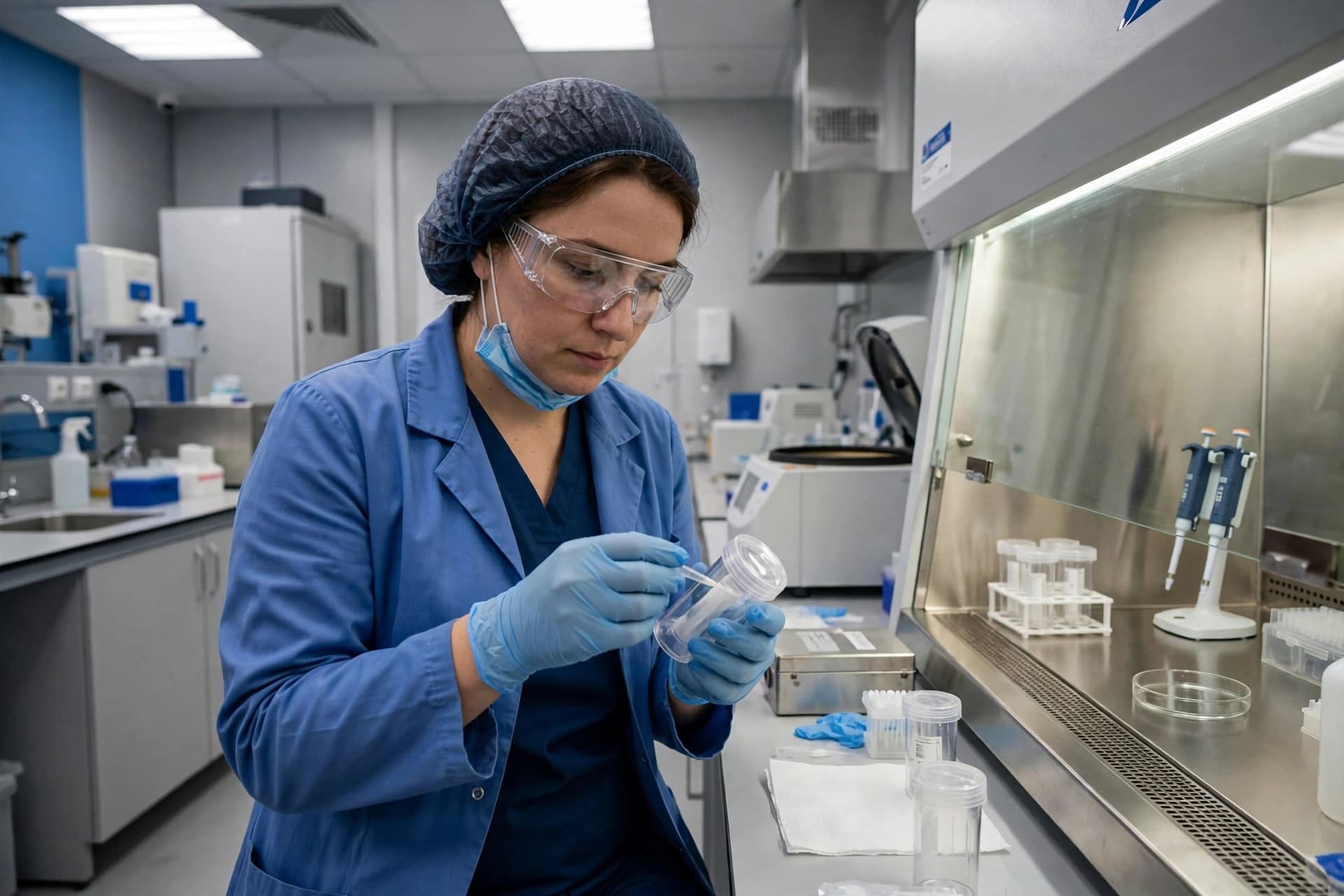
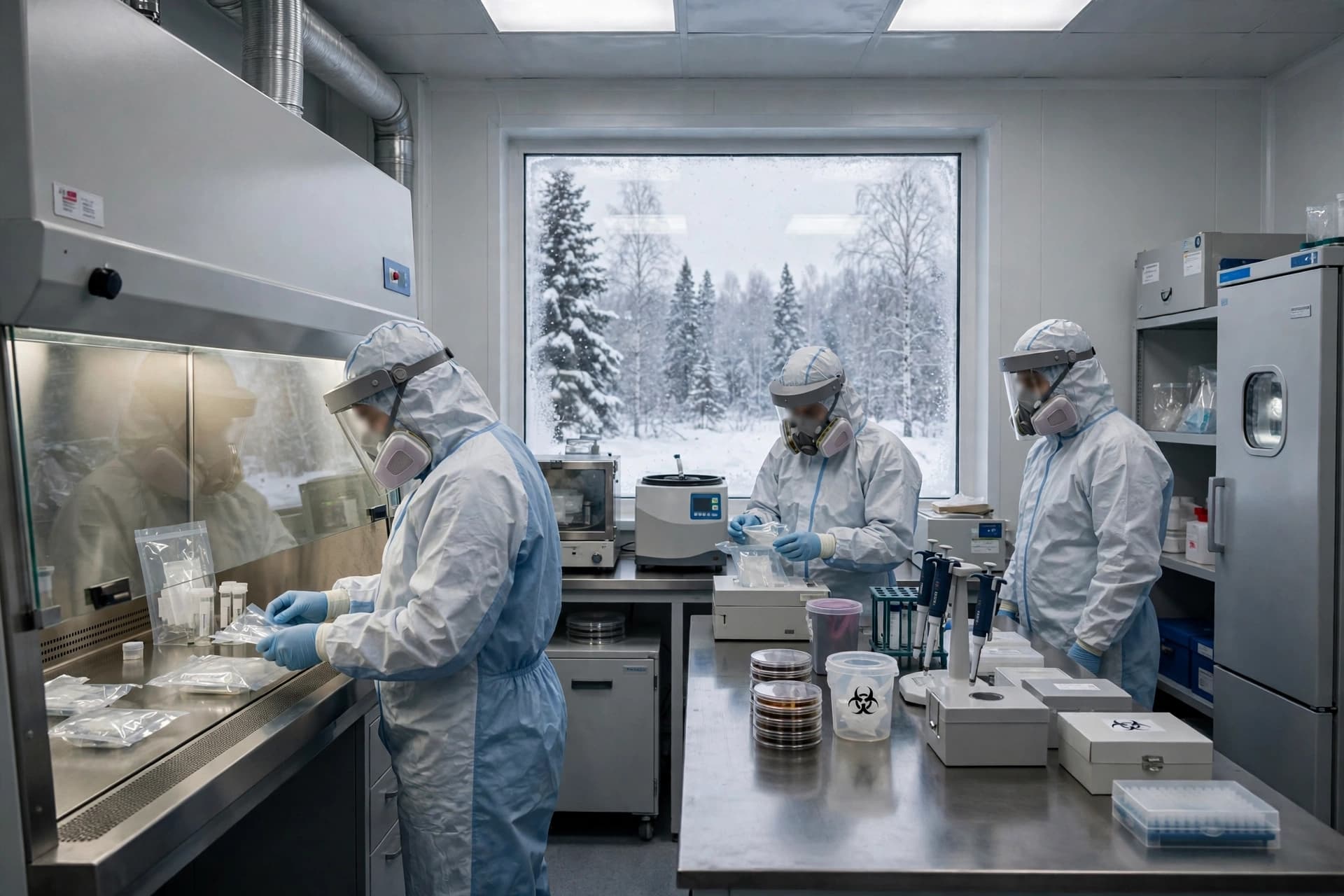
These AI-generated illustrations depict general tuberculosis research and nutrition-related healthcare. They are not photographs of PHOTON study participants, researchers, or actual clinical trial procedures.
### Sources
• ANTARA News
• University of Indonesia
• Indonesian Ministry of Health
• Oxford University Clinical Research Unit
• Center for Global Resilience in Health and Nutrition
Published by Banx Network. This article is part of the Banx decentralized media programme, powered by the BXE token on the XRP Ledger.