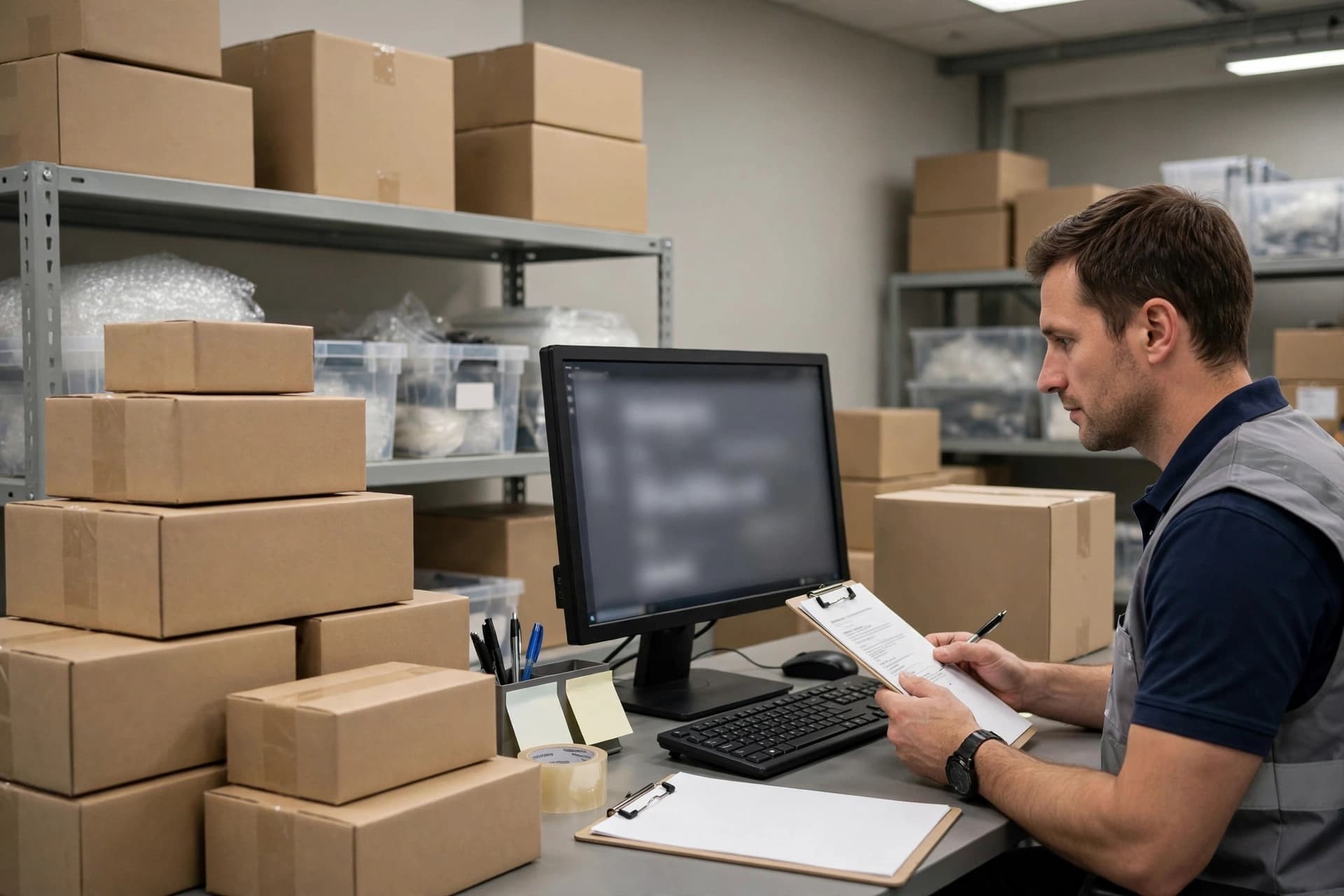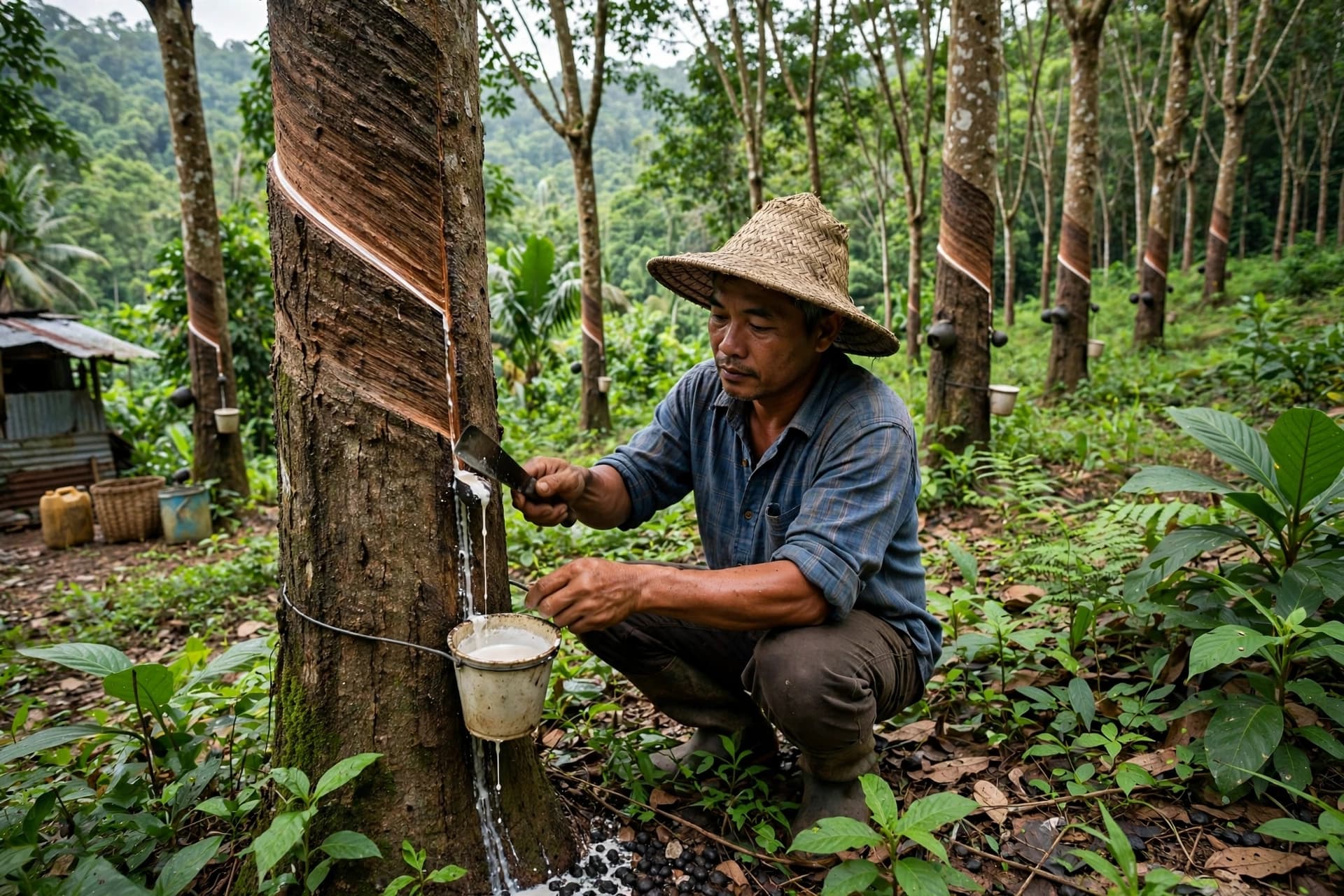
A Reuters report published on October 8 examined the tyre industry's continuing struggle to make natural-rubber supply chains more sustainable. Manufacturers face growing pressure to demonstrate that their sourcing does not contribute to deforestation or biodiversity loss, particularly as European Union rules on deforestation-linked products approach implementation.
The challenge is especially relevant to Southeast Asia, a major centre of natural-rubber production. Rubber is an essential raw material for tyres used in passenger cars, commercial vehicles, and industrial equipment. Yet the supply chain is fragmented: approximately 85% of natural rubber is cultivated by smallholders, according to the Reuters report. That structure makes it difficult for manufacturers to establish consistent records of where every shipment originates.
For international tyre companies, traceability is becoming more than a voluntary sustainability goal. Buyers need reliable information about the land associated with their raw materials, while manufacturers must prepare for stricter expectations from regulators and customers. Companies that cannot document their sourcing may face additional administrative burdens or lose access to certain markets.
However, the transition is not simply a matter of asking farmers to provide more paperwork. Smallholders may lack digital tools, technical assistance, or the financial resources needed to document production and change agricultural practices. If compliance becomes too expensive, some producers could find themselves excluded from premium supply chains even when they depend on rubber cultivation for their livelihoods.
Several manufacturers have begun supporting sustainability programmes, farmer training, and more direct sourcing arrangements. These approaches can help companies understand their supply chains while giving growers guidance on responsible land management. The Reuters report highlighted initiatives involving companies such as Michelin and other tyre producers, although the effectiveness of such programmes depends on their scale and long-term implementation.
Environmental pressure is only one part of the industry's difficulty. Climate change, plant diseases, and changing growing conditions can also affect yields and income. If farmers face unstable production while being asked to meet more demanding environmental requirements, practical support becomes important. Better traceability must therefore be paired with a realistic understanding of agricultural economics.
For Malaysia and neighbouring rubber-producing economies, the transition creates both a challenge and an opportunity. Producers able to demonstrate responsible sourcing may strengthen their relationships with global manufacturers. At the same time, governments, industry groups, and buyers can help smallholders adopt better practices without placing the entire cost of the transition on rural communities.
The future of natural rubber will depend on whether sustainability commitments become practical changes throughout the supply chain. International manufacturers need credible information, farmers need fair access to markets, and forests need stronger protection. Connecting these priorities will take more than a label on a product; it will require long-term cooperation between the people who grow the material and the businesses that depend on it.
### AI Image Disclaimer
These AI-generated illustrations represent general natural-rubber production and sustainable sourcing. They do not depict verified farms, actual company programmes, or specific deforestation sites.
### Sources
Reuters Michelin Continental Pirelli Bridgestone Global Platform for Sustainable Natural Rubber
Published by Banx Network. This article is part of the Banx decentralized media programme, powered by the BXE token on the XRP Ledger.