Maracaibo, Venezuela—Flames tore through a major regional pipeline route before dawn, lighting the horizon with a harsh orange glow. The blast shook nearby residential neighborhoods awake with a concussive shockwave. Windows shattered across multiple blocks as thick black smoke billowed into the morning sky.
State oil workers had reported fluctuating pressure readings hours before the catastrophic failure occurred. Maintenance supervisors delayed valve shutdowns while awaiting remote authorization from central headquarters. That hesitation proved fatal when the corroded line finally ruptured completely.
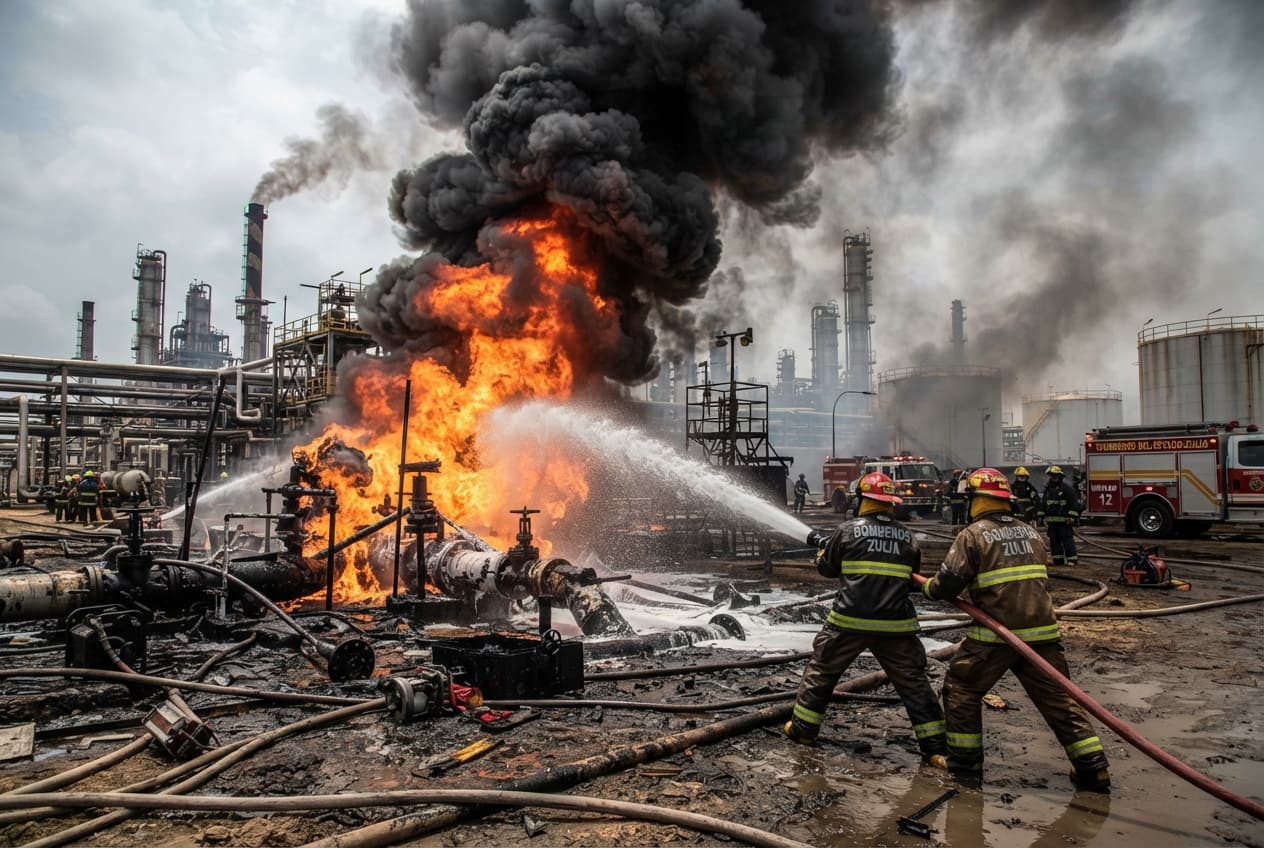
Firefighters arrived twenty minutes later to face a wall of intense heat and uncontrolled burning fuel. Water trucks struggled against low municipal pressure supplies near the remote industrial corridor. Foam units were brought in from neighboring municipal stations to combat the blaze.
Search and recovery teams confirmed five fatalities within the immediate blast radius by mid-morning. Victims suffered severe thermal trauma before escape routes were cut off by wall-to-wall flames. Local hospitals received multiple casualties with critical burns.
State energy representatives released a brief statement offering condolences without addressing equipment upkeep failures. Independent labor unions immediately blamed systemic neglect and chronic underfunding of basic oil infrastructure. Safety audits requested over the past year were routinely ignored by management.
Residents living near the pipeline easement have complained about sulfur odors for weeks. Authorities took no preventive action despite repeated community warnings filed with municipal offices. Evacuation orders came only after the explosion destroyed several nearby utility poles.
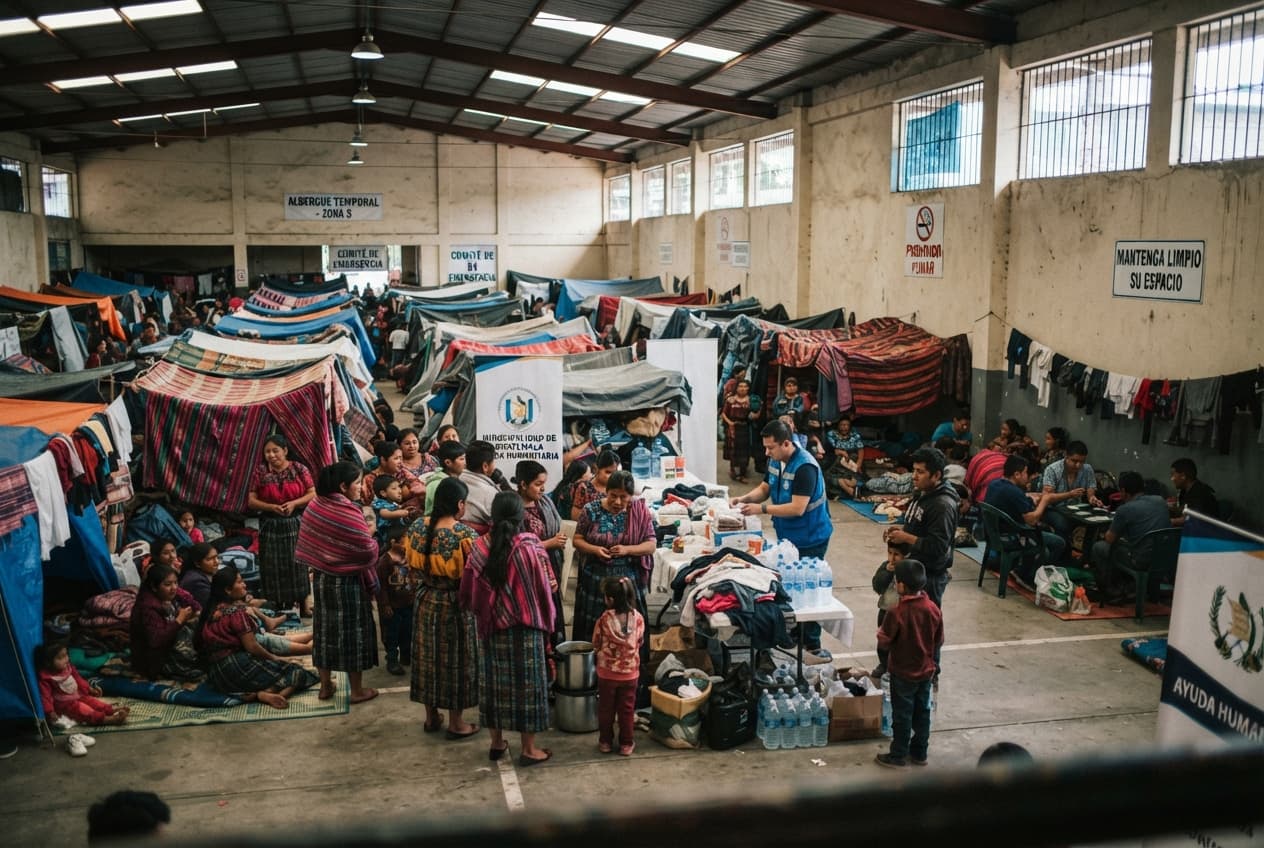
Power grids in surrounding sectors failed instantly as high-voltage lines melted from radiant heat. Municipal authorities cut off natural gas distribution networks across the entire district to prevent secondary detonations. Emergency shelters opened inside local schools for displaced families.
Investigators from national forensic agencies gathered charred metal samples from the rupture point. Engineers noted extensive wall thinning caused by lack of cathodic protection systems. The burned-out sector remains cordoned off by military police units.
The fire is contained, but the danger of secondary leaks persists underground. Technicians await cooling permits before entering the scorched trench network.
Published by Banx Network. This article is part of the Banx decentralized media programme, powered by the BXE token on the XRP Ledger.