
Key Highlights
- Deployment:Over 200 Ukrainian military experts sent to the Middle East.
- Purpose:Assisting in defense against Iranian-made Shahed drones.
- Locations:Active in Saudi Arabia, UAE, Qatar, and heading to Kuwait.
On March 17, 2026, during a speech to the U.K. Parliament, President Volodymyr Zelenskyy announced the deployment of 201 Ukrainian military experts to the Middle East and Gulf region. This initiative aims to bolster defenses against Iranian-made Shahed drones, which have become a significant threat in the region. Zelenskyy confirmed that these experts are currently operational in Saudi Arabia, the United Arab Emirates, and Qatar, with plans to extend their support to Kuwait.
In his address, Zelenskyy emphasized the expertise of these military personnel, stating that they are not only equipped with advanced knowledge on countering drone attacks but are also pivotal in collaborative efforts to mitigate the risks posed by Iranian drones. He remarked, "We do not want this terror of the Iranian regime against its neighbors to succeed," reinforcing Ukraine's commitment to supporting its allies amid rising tensions in the Middle East.
The decision to deploy Ukrainian specialists was made following requests for assistance from U.S. and allied forces. This collaboration comes at a critical time, as military operations in the Middle East have intensified, particularly after the U.S. and Israel launched Operation Epic Fury, aimed at countering Iranian aggression and its drone capabilities.
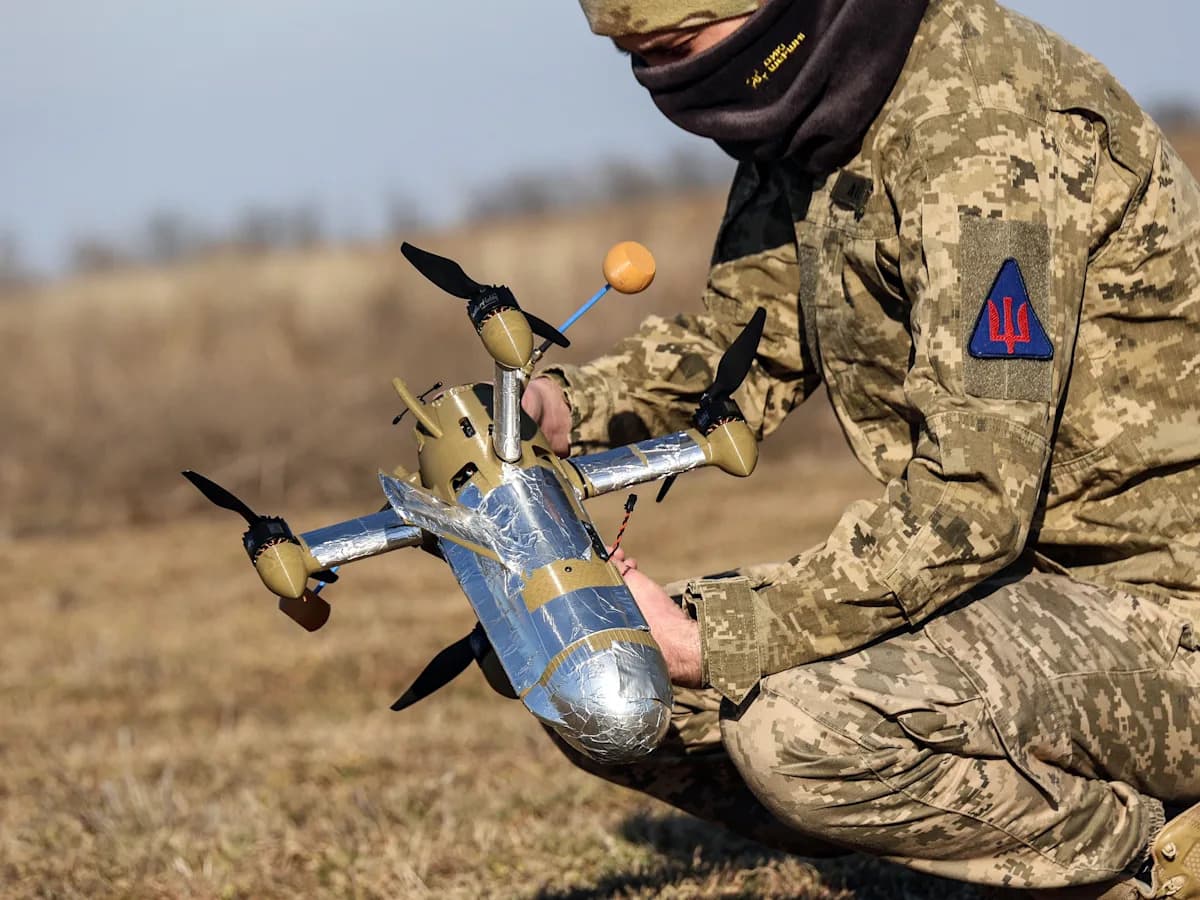
Ukraine has demonstrated a strong track record in intercepting drones and missiles, reportedly managing to deflect approximately 90% of Shahed drones with its current defense systems. This success has sparked increased interest in Ukrainian technologies, especially given the cost-effectiveness of their interceptors compared to more expensive alternatives available on the market.
Zelenskyy's announcement highlights Ukraine's ongoing role in international security discussions, particularly concerning the evolving dynamics in the Middle East. He expressed optimism about Ukraine's capacity to produce up to 2,000 interceptor drones daily, indicating that there may be excess capacity available for allied nations seeking to enhance their own defenses.
This strategic alignment with Middle Eastern countries not only underscores a mutual interest in regional stability amid aerial threats but also showcases Ukraine's adaptability and expanding influence on the global military stage. As the situation develops, the implications of this cooperation will likely resonate both regionally and globally, shaping future military and diplomatic engagements.
Published by Banx Network. This article is part of the Banx decentralized media programme, powered by the BXE token on the XRP Ledger.



