In the heart of southern Africa, democracy has once again demonstrated its resilience, albeit with visible scars. Zambia’s Electoral Commission has officially declared incumbent President Hakainde Hichilema the winner of the 2026 general election, securing him a second five-year term. The announcement comes after a voting process marked by delays, technical glitches, and allegations of irregularities, testing the nation’s faith in its democratic institutions.
Hichilema, who first came to power in 2021 after a hard-fought victory, campaigned on a platform of economic stability and anti-corruption. His reelection, with approximately 61% of the vote, suggests that many Zambians remain confident in his leadership despite the challenges of the past few years. The result was confirmed after a recount and verification process that lasted several days, during which tensions ran high among supporters of opposing candidates.
The election was not without its troubles. Vote counting was suspended at one point due to logistical issues, leading to protests and concerns about transparency. Opposition leader Brian Mundubile, who received roughly 38% of the vote, raised questions about the integrity of the process. However, international observers noted that while there were administrative flaws, the overall outcome reflected the will of the people.
For President Hichilema, the victory is a mandate to continue his reform agenda. He has promised to address inflation, improve infrastructure, and strengthen governance. His administration faces the task of healing divisions exacerbated by the contentious campaign. Unity, he argues, is essential for national progress, and he has called on all citizens to respect the democratic process.
The international community has largely welcomed the result, praising Zambia for its peaceful transition and commitment to electoral rules. Regional bodies like the Southern African Development Community (SADC) have emphasized the importance of stability in the region. Zambia’s ability to navigate a disputed election without widespread violence is seen as a positive sign for African democracy.
However, the "troubled" nature of the election serves as a reminder of the work still needed. Strengthening electoral systems, ensuring timely results, and addressing grievances through legal channels are crucial steps. The experience of 2026 may lead to reforms that make future elections more robust and trusted by all parties.
For ordinary Zambians, the focus now shifts to governance. The promises made during the campaign must be translated into tangible improvements in daily life. Economic recovery, job creation, and social services are top priorities. The president’s success will be measured not just by votes, but by outcomes.
As Zambia moves forward, the story of this election will be part of its political history. It is a chapter of challenge and resolution, reflecting the complexities of democratic practice. For now, the nation looks to its leader to guide it through the next phase of development, with hope and caution in equal measure.
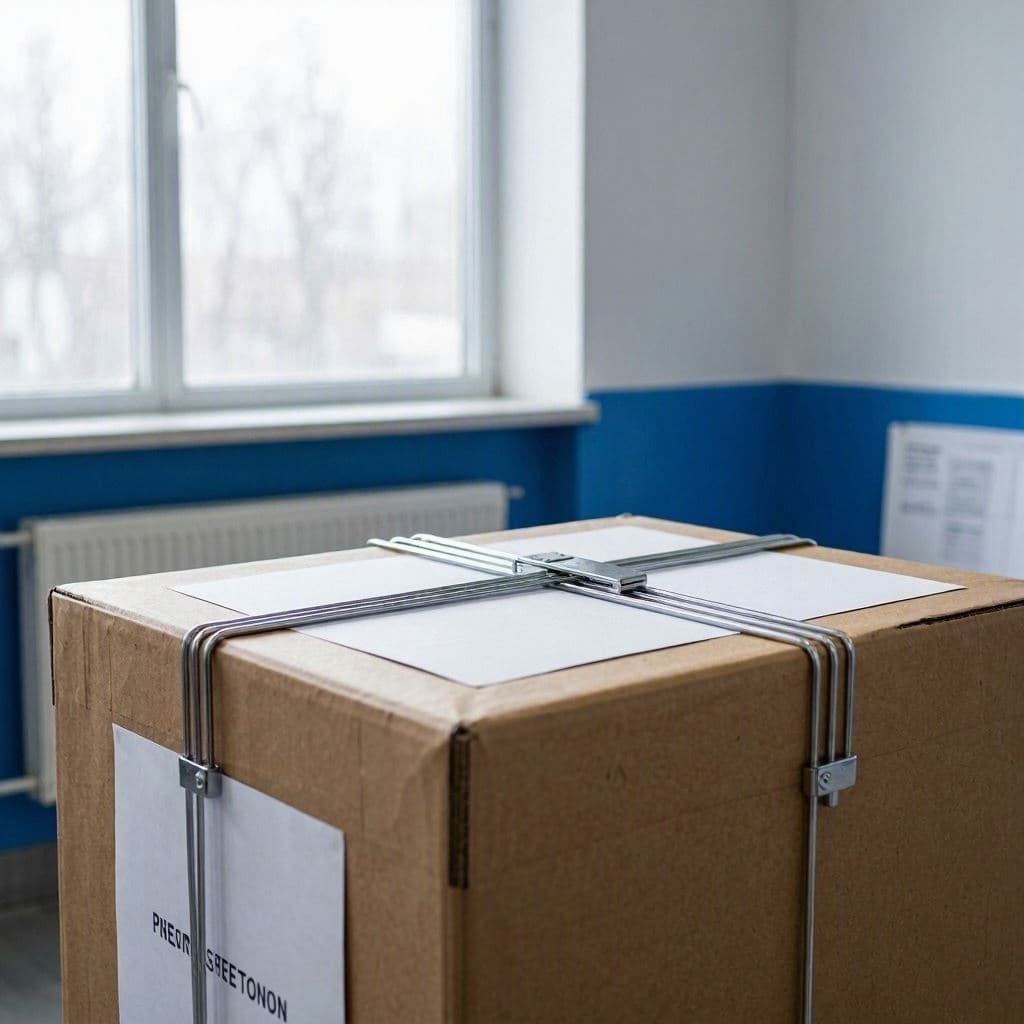
AI Image Disclaimer: Images accompanying this report are AI-generated artistic interpretations of voting scenes and celebratory crowds, intended to visualize the themes of democracy and election results without depicting real individuals.
Sources: AP News, Al Jazeera, Courthouse News, Wikipedia
Published by Banx Network. This article is part of the Banx decentralized media programme, powered by the BXE token on the XRP Ledger.