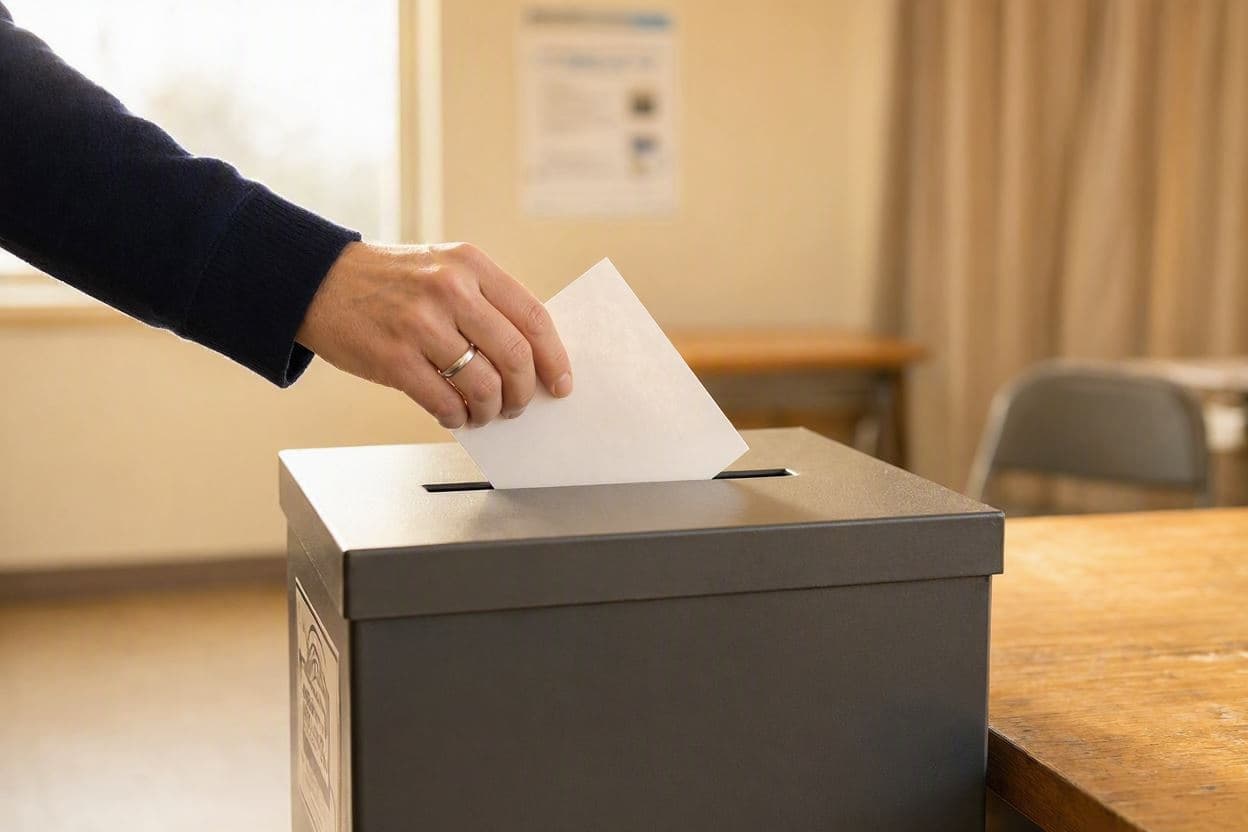
Democracy is not a static monument but a living practice, sustained by the active participation of its citizens. As election seasons approach, the call to "get ready to vote" resonates with renewed urgency. Voting is more than a civic duty; it is a powerful expression of agency, a way to shape the future and hold leaders accountable. It is a narrative of collective voice, where each ballot contributes to the broader chorus of societal direction.
The act of voting connects individuals to the larger community, bridging diverse perspectives and interests. It allows citizens to influence policies that affect their daily lives, from healthcare and education to infrastructure and environmental protection. By participating, voters ensure that their values and needs are represented in the halls of power. It is a mechanism for change, however gradual, that empowers people to steer the course of their nation.
Historically, the right to vote was hard-won, secured through the struggles and sacrifices of those who believed in equality and representation. Honoring this legacy means exercising the privilege with intention and care. It involves staying informed, engaging in dialogue, and making thoughtful choices based on evidence and principle. Voting is a testament to the resilience of democratic ideals and the ongoing quest for justice.
In an era of misinformation and political fatigue, the importance of voting becomes even more critical. Disengagement can lead to outcomes that do not reflect the will of the majority, allowing minority interests to dominate. By showing up at the polls, citizens counteract apathy and reaffirm their commitment to the democratic process. It is a statement that their voice matters and that they are invested in the common good.
Local elections, often overlooked, have a direct impact on community well-being. From school boards to municipal councils, these bodies make decisions that shape neighborhoods and local services. Participating in all levels of government ensures comprehensive representation and accountability. It encourages a holistic view of civic engagement, recognizing that change happens at multiple scales.
Preparing to vote involves more than just marking a ballot. It requires understanding the issues, researching candidates, and discussing priorities with others. Civic education plays a vital role in empowering voters to make informed decisions. Communities can support this by hosting forums, providing resources, and encouraging open dialogue. An informed electorate is the backbone of a healthy democracy.
The upcoming election is an opportunity to reflect on what kind of society we wish to build. It is a chance to advocate for values such as fairness, sustainability, and inclusivity. By voting, individuals contribute to a collective vision, shaping the legacy they leave for future generations. It is an act of hope, believing that participation can lead to positive change.
In the end, the call to vote is a call to action. It invites every citizen to play their part in the democratic experiment. As we prepare to cast our ballots, let us do so with purpose and pride, knowing that our voices matter. Let us embrace the power of the vote to create a more just and equitable world for all.
Note: The accompanying images are AI-generated visualizations intended to reflect the themes of civic engagement and democratic participation.
Sources: Elections Canada, CBC News, The Globe and Mail, Democracy Watch
Published by Banx Network. This article is part of the Banx decentralized media programme, powered by the BXE token on the XRP Ledger.