
Key Highlights
- Netflix has removed phone casting support for most TVs, reverting to TV-only playback.
- Users on ad-supported plans are entirely cut off from casting features.
- The change reflects Netflix's focus on usage patterns and resource allocation.
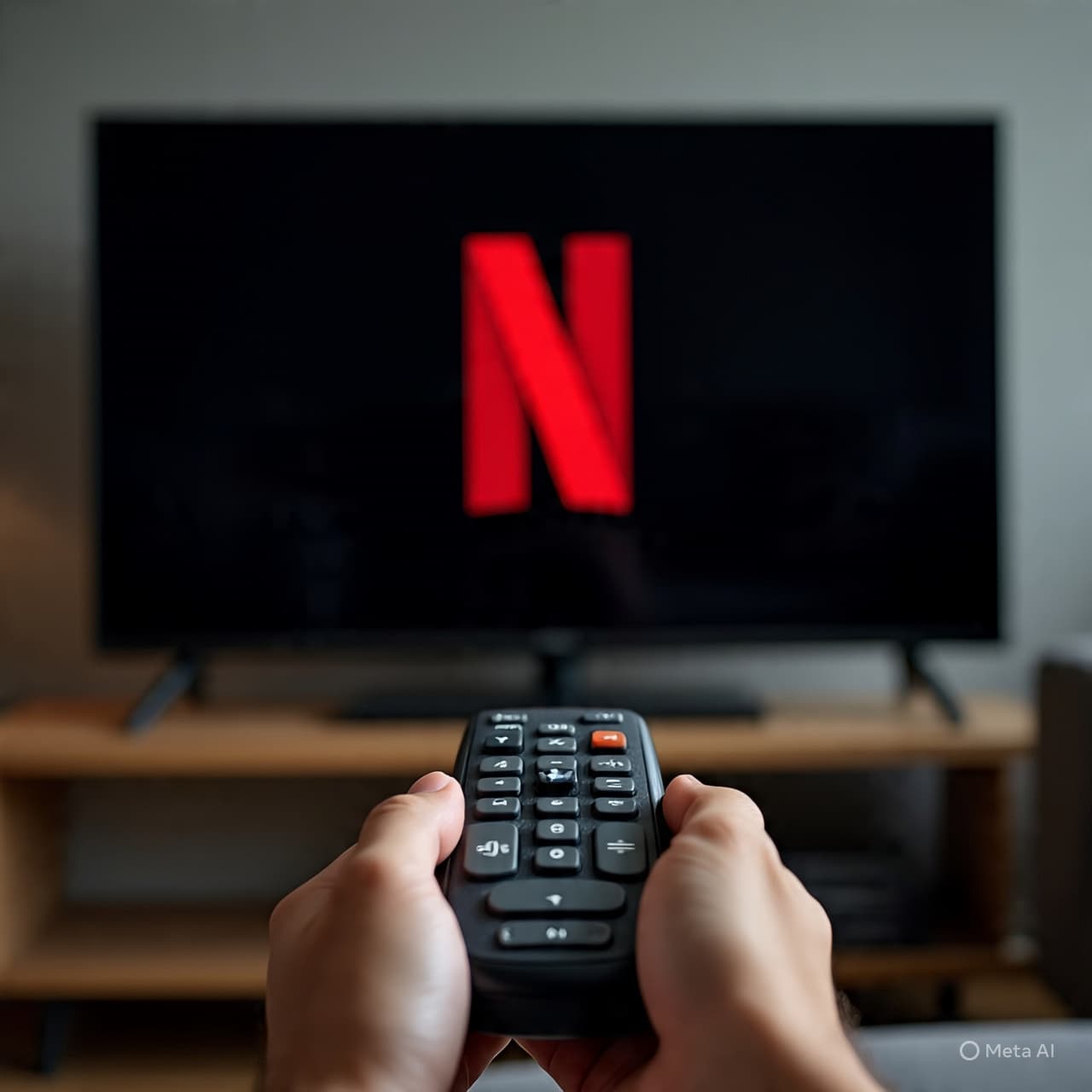
Netflix has made a significant shift in its streaming service by discontinuing support for using mobile phones as a casting device for most televisions. This change, which took effect this month, means that users can no longer rely on their phones to cast shows directly to their TVs, a feature that many have come to appreciate for its convenience. Instead, Netflix now directs users to utilize the remote controls that come with their televisions or streaming devices to navigate their content.
Previously, users could effortlessly browse Netflix's catalog on their phones and cast their selections to a larger screen with a simple tap. This seamless integration allowed for a fluid viewing experience, especially for those who preferred to select shows while on the go. However, the recent update has disrupted this process, leaving many users to grapple with the inconvenience of having to use traditional remotes for navigation.
While some older devices, such as pre-2020 Chromecasts or TVs with built-in Google Cast, still support casting, this functionality is now limited. Moreover, users subscribed to Netflix's ad-supported plans will find themselves completely excluded from casting capabilities. This decision has raised concerns among frequent travelers and those who often share accommodations, as they now face the hassle of logging into Netflix on different TVs instead of simply casting from their phones.
Netflix has stated that this decision was driven by usage patterns, indicating that the casting feature was not widely utilized among its user base. By eliminating this option, the company aims to concentrate its resources on enhancing the more commonly used aspects of its service. For many users, this may feel like a regression to an older model of streaming, where the convenience of mobile control is sacrificed for a more traditional viewing experience.
The implications of this change are significant. For users who have adapted to a phone-first approach to streaming, the transition back to a TV-first model may alter their viewing rituals. Those who enjoyed the ease of selecting a show on their phone and immediately watching it on their TV will now have to adjust to a more cumbersome process. This shift not only affects how users interact with Netflix but also reflects a broader trend in the streaming industry towards prioritizing direct app usage on televisions.
In conclusion, Netflix's quiet shift back to TV-only playback marks a notable change in the way users will engage with the platform. While some may welcome the return to traditional navigation methods, others may find the loss of mobile casting capabilities to be a frustrating limitation. As Netflix continues to evolve its service, it remains to be seen how this decision will impact user satisfaction and viewing habits in the long run.
Published by Banx Network. This article is part of the Banx decentralized media programme, powered by the BXE token on the XRP Ledger.



